Over 80 percent of British homeowners say lighting dramatically affects how welcoming their spaces feel. Whether you live in a modern apartment or a classic terrace, the way light reflects off your walls, mirrors, and metallic features shapes every room’s mood. By understanding how reflective lighting works, you can make smart choices that brighten your home, create the illusion of space, and highlight details with style.
Table of Contents
- Defining Reflective Lighting In The Home Setting
- Popular Types And Decorative Options Explained
- How Reflective Lighting Influences Mood And Space
- Placement Strategies For Optimal Visual Impact
- Common Pitfalls And Essential Safety Precautions
Key Takeaways
| Point | Details |
|---|---|
| Understanding Reflective Lighting | Reflective lighting uses surfaces to amplify and redirect light, creating dynamic atmospheres in homes. |
| Significance of Light Reflectance Value | LRV measures the light reflected by surfaces, influencing brightness and spatial perception within interiors. |
| Emotional and Spatial Impact | Thoughtful placement of reflective elements can evoke specific moods and make spaces feel larger and more inviting. |
| Safety and Maintenance Considerations | Regular maintenance and attention to safety in lighting design help prevent glare and visual discomfort in reflective settings. |
Defining Reflective Lighting in the Home Setting
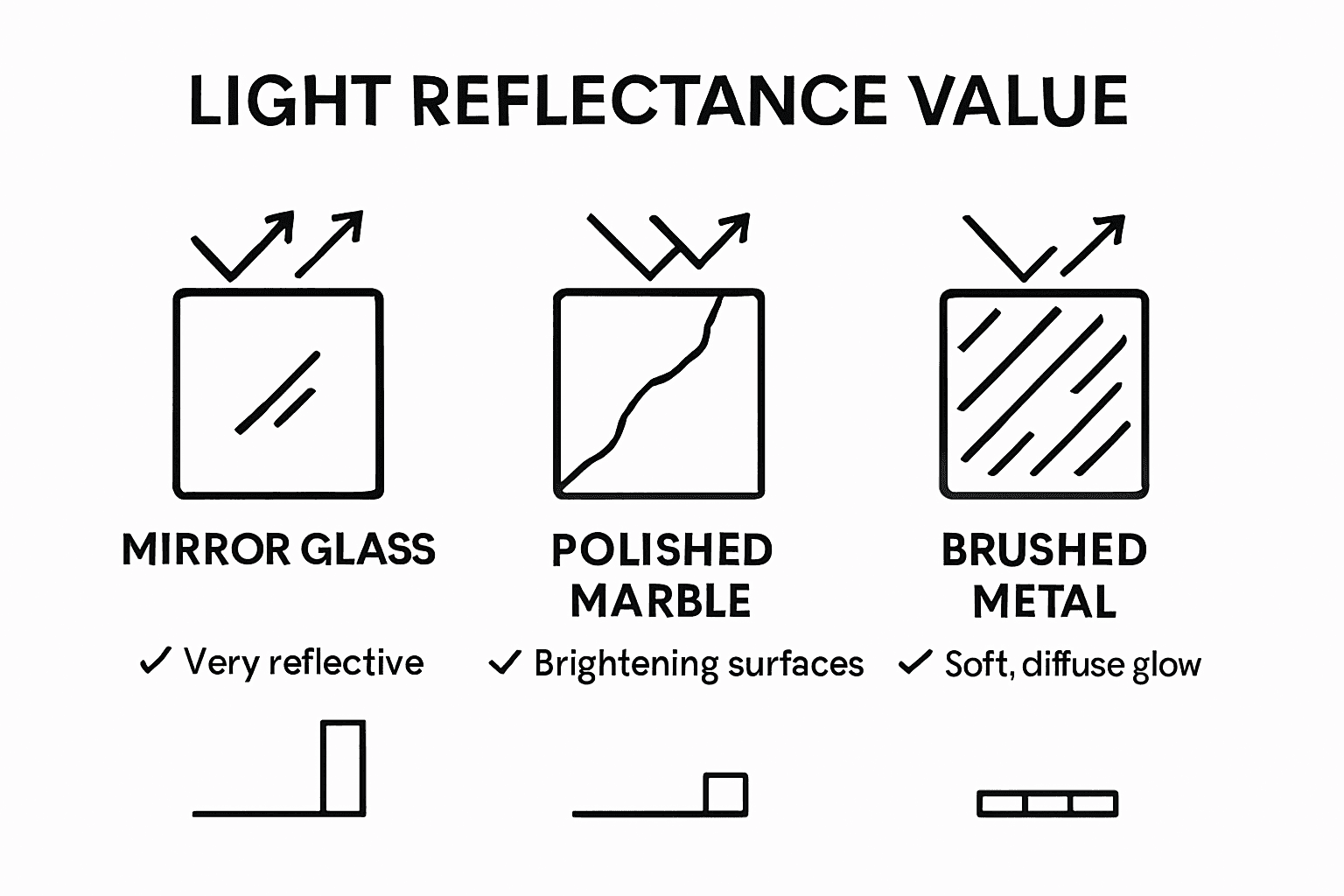
Reflective lighting represents a sophisticated design strategy that transforms interior spaces by strategically manipulating light interaction. At its core, reflective lighting involves using surfaces and materials that bounce, redirect, and amplify light to create nuanced atmospheric effects. Understanding the Light Reflectance Value (LRV) becomes crucial in this process, as it measures the percentage of visible light reflected from different surfaces, influencing how illumination interacts with interior environments.
The principles of reflective lighting extend beyond simple illumination, functioning as a dynamic design element that can dramatically alter spatial perception. Surfaces with higher light reflectance values can make rooms appear larger, brighter, and more open, while carefully positioned reflective elements like mirrors, metallic accents, and glossy finishes can amplify natural and artificial light sources. These techniques enable designers and homeowners to manipulate brightness, create visual depth, and establish specific moods within living spaces.
When implementing reflective lighting, professionals consider multiple factors including surface materials, colour selections, and strategic positioning of light sources. Smooth, polished surfaces such as marble, glass, and chrome tend to reflect more light, while textured or matte finishes absorb and diffuse illumination. Mirrors play a particularly significant role in reflective lighting design, acting as powerful tools to redirect light, create illusions of expanded space, and introduce visual complexity to interior environments.
Here is a comparison of common reflective materials used in interior lighting schemes:
| Material Type | Light Reflectance Value (LRV) | Visual Impact | Suitability for Homes |
|---|---|---|---|
| Polished Marble | Very High (70-90%) | Luxurious, bright | Ideal for living and hall areas |
| Mirror Glass | Near Total (90-100%) | Maximum brightness, sharp | Best for accent and focal points |
| Brushed Metal | Moderate (40-65%) | Subtle shimmer | Suitable for kitchens, modern décor |
| Matt Painted Wall | Low (5-20%) | Soft, muted effect | Useful for cosy or intimate zones |
Pro Tip for Reflective Lighting Design: Start by identifying your room’s primary light sources and experiment with reflective surfaces positioned at strategic angles to maximise light distribution and create a dynamic, layered lighting experience.
Popular Types and Decorative Options Explained
Reflective lighting encompasses a diverse range of decorative techniques that transform interior spaces through sophisticated illumination strategies. One prominent approach is wall washing, a technique that casts a soft, even glow across walls, creating a subtle yet dramatic visual effect that enhances architectural features and artwork while establishing a nuanced ambient atmosphere.
Decorative reflective lighting options include several distinctive styles that cater to different aesthetic preferences and functional requirements. Metallic finishes like chrome, brass, and copper serve as excellent reflective surfaces, while specialised materials such as mirror glass and polished stone can dramatically amplify light distribution. Coloured mirror glass offers particularly innovative opportunities, allowing homeowners to introduce both reflective properties and chromatic complexity into their interior design schemes.
Professional designers often employ multiple lighting techniques to create layered, dynamic spaces. Techniques such as highlighting, backlighting, and strategic positioning enable dramatic light manipulation, transforming ordinary rooms into visually compelling environments. Reflective elements like mirrored surfaces, glass sculptures, and metallic wall art can be strategically placed to redirect and enhance existing light sources, creating depth, dimension, and visual intrigue.
Pro Tip for Decorative Lighting Selection: Experiment with multiple reflective surfaces at different heights and angles to create a multi-dimensional lighting landscape that adds visual complexity and depth to your living spaces.
How Reflective Lighting Influences Mood and Space
Reflective lighting operates as a powerful psychological tool that dramatically transforms interior environments by manipulating emotional perception and spatial experience. The strategic use of reflective surfaces and light-colored walls can create remarkable optical illusions, making small spaces feel exponentially larger and more open by intelligently bouncing natural light throughout living areas.
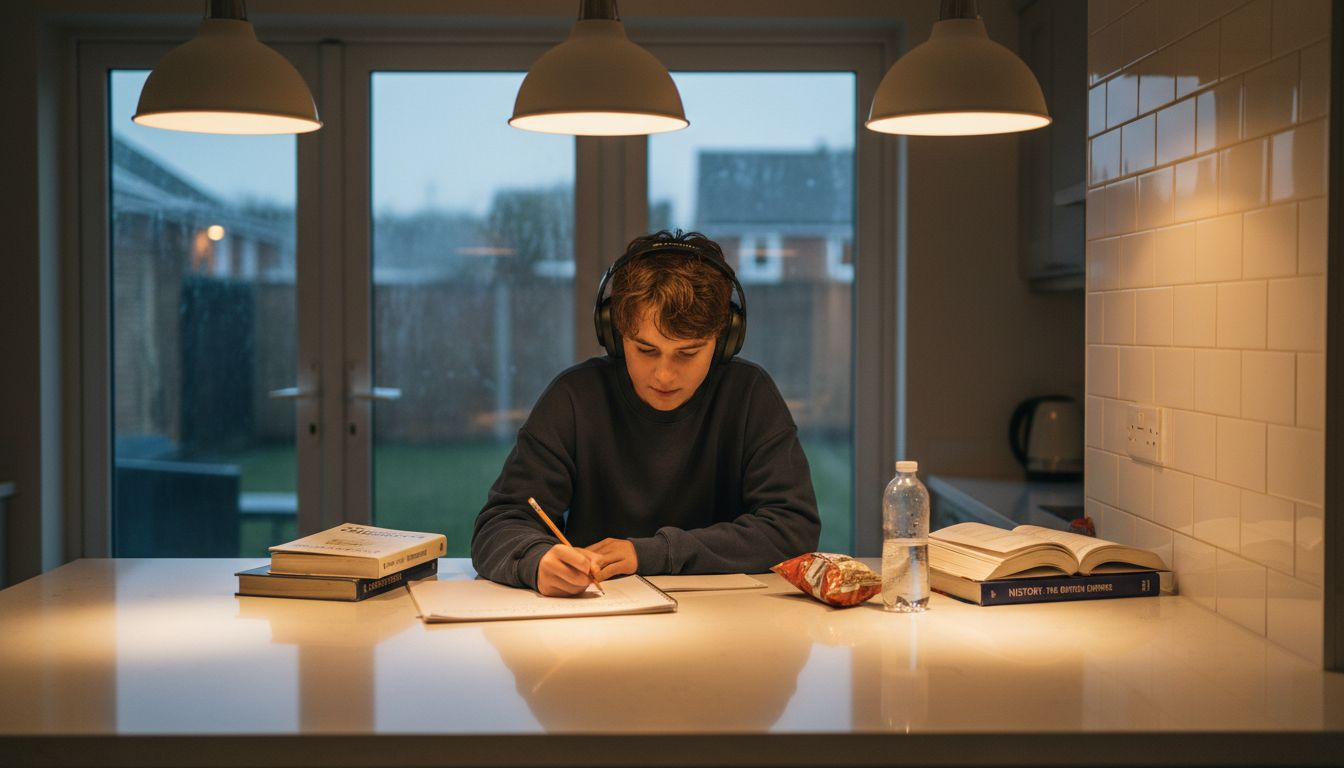
Emotional responses to lighting are deeply nuanced, with ambient illumination playing a critical role in psychological well-being. Thoughtful manipulation of darkness and light can evoke profound sensory experiences, creating intimate spaces that generate feelings of calm, tranquillity, and emotional depth. Shadow and reflection work in concert to craft atmospheric environments that transcend mere visual aesthetics, engaging multiple sensory and emotional dimensions.
Mirror balls and other reflective elements serve as sophisticated design instruments that can transform spatial dynamics. By redirecting and fragmenting light, these decorative pieces create dynamic visual landscapes that shift and change with movement, introducing an element of playfulness and unpredictability into interior design. Professional designers understand that reflective lighting is not merely about brightness, but about creating layered, multidimensional experiences that engage viewers on intellectual and emotional levels.
Pro Tip for Emotional Lighting Design: Experiment with multiple light sources at different heights and angles to create nuanced shadow patterns that evoke specific emotional responses and transform your living spaces into dynamic, psychologically engaging environments.
Placement Strategies for Optimal Visual Impact
Mastering reflective lighting requires a nuanced understanding of spatial dynamics and strategic positioning. Proper placement of lighting fixtures is crucial for avoiding unintentional shadows and creating visually compelling environments, with professional designers emphasising the importance of meticulous planning and precise light distribution.
Reflective surfaces demand careful consideration of their positioning to maximise visual impact. Directional strategies involve placing reflective elements like mirror balls, metallic accents, and glass surfaces at calculated angles that capture and redirect light most effectively. Early planning of lighting layouts alongside furniture arrangements ensures a cohesive design that eliminates visible wires and creates seamless illumination throughout the space.
Advanced placement techniques involve creating layers of light that interact dynamically with reflective surfaces. This might include positioning overhead lights to cast gentle illumination across mirrored elements, using wall-mounted fixtures to create dramatic shadow play, or strategically placing floor-level lights to generate unexpected reflective patterns. The goal is to create a multidimensional lighting experience that transforms static spaces into living, breathing environments that shift and change with movement.
For quick reference, here are strategic placements for reflective elements and their effects:
| Placement Area | Reflective Element | Anticipated Visual Outcome |
|---|---|---|
| Opposite windows | Large mirror panels | Strong amplification of daylight |
| Behind artwork | Metallic wall accents | Enhanced artwork lighting and depth |
| Corner of the room | Glass sculpture | Multifaceted light dispersion |
| Above fireplace | Mirrored back panel | Extended sense of space and warmth |
Pro Tip for Reflective Lighting Placement: Conduct a lighting rehearsal by moving portable light sources and reflective elements around your space, observing how light bounces and changes to discover unexpected and stunning visual compositions.
Common Pitfalls and Essential Safety Precautions
Reflective lighting design requires a meticulous approach to both aesthetic and safety considerations. Effective lighting should provide even illumination without causing glare, which means carefully selecting and positioning lighting sources to minimise eye strain and potential visual discomfort. Professionals recommend using multiple light sources and strategically shading bulbs to create optimal contrast and prevent harsh reflective surfaces from becoming visually overwhelming.
Electrical safety represents a critical component of reflective lighting implementation. High-risk areas include proximity to water sources, improper electrical connections, and the use of incompatible or outdated fixtures. Regular maintenance of lighting fixtures, including careful cleaning and selecting appropriate bulbs, ensures both optimal performance and long-term safety. This involves routine inspections, ensuring secure mounting, and using fixtures rated for specific environmental conditions.
Common design pitfalls often stem from overlooking technical and ergonomic considerations. Reflective surfaces like mirror balls and glass installations can create unexpected glare or create visual distractions if not carefully integrated. Designers must consider factors such as light intensity, angle of reflection, and potential shadow formations. Particular attention should be paid to areas with high traffic or specific functional requirements, where inappropriate lighting can create safety hazards or visual disorientation.
Pro Tip for Safety and Design: Always conduct a comprehensive light mapping exercise before finalising your reflective lighting design, testing different configurations to identify potential glare points and ensure a balanced, visually comfortable environment.
Transform Your Home Ambience with Reflective Lighting Techniques
Creating the perfect balance of light and reflection is a common challenge for homeowners who want to enhance space and mood effectively. If you have been inspired by the role of reflective lighting in making rooms feel brighter, larger and emotionally inviting, using mirror balls and other reflective accessories can dramatically elevate your interior design. These elements are excellent for amplifying natural and artificial light, adding dynamic visual depth and creating captivating ambiences, as highlighted in the article.

Discover a wide range of high-quality mirror balls and decorative reflective pieces that provide the ideal solution for your home lighting goals at https://mirror-balls.co.uk. Whether you want to introduce subtle shimmer with smaller glitter balls or a striking focal point that redirects light throughout your space, our expertly curated products help you achieve professional-grade lighting effects on any budget. Take the next step in transforming your living areas with innovative reflective lighting by exploring our collection and consulting with our lighting experts to customise your design today.
Explore decorative options like metallic finishes and coloured mirror glass or find inspiration on how to place mirror balls for maximum impact by visiting Reflective Lighting Solutions and start redesigning your illuminated world now.
Frequently Asked Questions
What is reflective lighting?
Reflective lighting is a design strategy that utilises surfaces and materials to bounce, redirect, and amplify light, creating enhanced atmospheric effects and altering spatial perception in interior spaces.
How can I use reflective lighting to make a room appear larger?
By incorporating surfaces with high Light Reflectance Value (LRV) such as mirrors and polished materials, you can effectively bounce light around the room, making it feel brighter and more spacious.
What types of materials are best for reflective lighting?
Materials like polished marble, mirror glass, and brushed metal are ideal for reflective lighting as they have high LRV and can significantly amplify light distribution while adding a stylish touch to your interior design.
How can I prevent glare when using reflective lighting?
To minimise glare, carefully consider the placement and angle of reflective surfaces and lighting fixtures. Using multiple light sources and shading bulbs can help create even illumination without overwhelming brightness.