Every British designer searching for something truly distinctive in their projects will find coloured mirror glass hard to ignore. With interior trends showing that over 60 percent of contemporary commercial spaces now feature reflective surfaces, this material takes design far beyond the ordinary. Its vibrant hues and unique reflective qualities can completely transform both light and perception in a room. Discover how the innovative uses of coloured mirror glass are reshaping British interiors and setting bold new standards in creative environments.
Table of Contents
- Defining Coloured Mirror Glass And Common Uses
- Types Of Coloured Mirror Glass Available
- How Coloured Mirror Glass Is Manufactured
- Key Benefits And Distinctive Features
- Applications In Events, Design, And Decor
- Choosing Coloured Mirror Glass: Risks And Alternatives
Key Takeaways
| Point | Details |
|---|---|
| Versatility of Coloured Mirror Glass | Coloured mirror glass offers extensive aesthetic options and can be used in various applications from interior design to event production. |
| Manufacturing Process Insights | The intricate manufacturing of coloured mirror glass combines advanced techniques that can affect both aesthetic quality and environmental impact. |
| Design Impact on Spatial Perception | This material has the unique ability to enhance spatial perception by manipulating light and colour, creating more dynamic and immersive environments. |
| Sustainable Considerations | Selecting coloured mirror glass involves assessing environmental sustainability and potential manufacturing risks to ensure responsible design choices. |
Defining Coloured Mirror Glass and Common Uses
Coloured mirror glass represents a sophisticated decorative material designed to transform interior spaces through vibrant reflective surfaces. Unlike traditional silvered mirrors, coloured variations introduce a dynamic element that combines visual reflection with chromatic intrigue, offering designers and event professionals unprecedented creative flexibility.
These specialised glass surfaces are produced by carefully applying coloured metallic coatings or tinted reflective layers onto clear glass substrates. Residential and commercial spaces can leverage these unique materials for multiple applications, including architectural features, decorative panels, artistic installations, and lighting design elements. The coating process allows manufacturers to create mirrors ranging from subtle pastel hues to bold, saturated colours that dramatically alter spatial perception.
Coloured mirror glass finds widespread usage across diverse settings. Event organisers frequently utilise these reflective surfaces to craft immersive environments, while interior designers incorporate them as statement pieces in residential and commercial spaces. Common applications include:
- Backdrop panels for stage productions
- Decorative wall features in nightclubs and entertainment venues
- Artistic room dividers in contemporary offices
- Accent elements in home design and photography studios
- Specialised lighting installations
The versatility of coloured mirror glass stems from its ability to manipulate light and visual space simultaneously. By combining reflective properties with chromatic variations, these unique surfaces can transform ordinary environments into extraordinary sensory experiences.
Types of Coloured Mirror Glass Available
Coloured mirror glass offers an expansive range of aesthetic and functional variations designed to meet diverse design requirements. Silvered mirror technologies enable manufacturers to produce sophisticated glass surfaces with remarkable chromatic diversity, transforming traditional reflective materials into dynamic design elements.
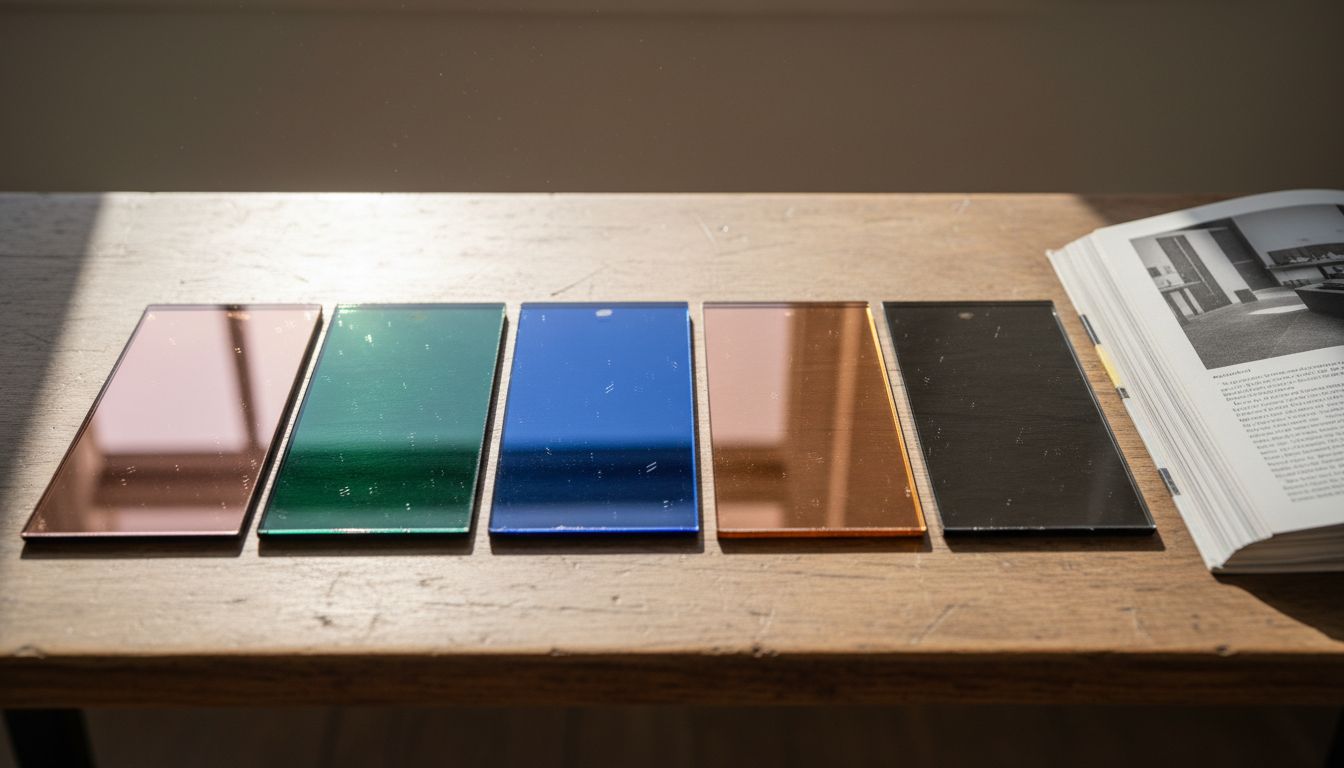
Traditional mirror glass types include tinted rear silvered mirrors available in an impressive spectrum of colours. These sophisticated surfaces come in elegant hues such as bronze, grey, peach, blue, green, gold, and cognac, providing designers and event professionals with extensive creative possibilities. The manufacturing process involves applying specialised metallic coatings that not only introduce colour but also maintain the fundamental reflective properties of high-quality mirror glass.
The classification of coloured mirror glass can be broadly categorised into several primary types:
-
Metallic Finish Mirrors
- Gold-tinted reflective surfaces
- Silver-tone mirror glass
- Bronze and copper-hued variations
-
Pastel Coloured Mirrors
- Soft blue and green tones
- Delicate peach and rose variants
- Subtle grey and taupe options
-
Vibrant Chromatic Mirrors
- Bold royal blue reflective surfaces
- Intense emerald green variations
- Deep burgundy and crimson options
Each type of coloured mirror glass offers unique aesthetic and functional characteristics, enabling creative professionals to select precisely the right reflective surface for their specific design vision. Whether used in theatrical productions, interior design, or architectural installations, these sophisticated glass materials provide unparalleled versatility in transforming spatial environments.
How Coloured Mirror Glass Is Manufactured
The intricate process of manufacturing coloured mirror glass represents a sophisticated blend of scientific precision and creative engineering. Glass manufacturing techniques have evolved significantly, enabling the creation of highly specialised reflective surfaces that combine aesthetic appeal with technical complexity.
Traditional mirror glass production begins with meticulously prepared clear glass, which undergoes a precise cleaning process to remove any potential contaminants. The fundamental manufacturing sequence involves applying a layer of liquefied tin, creating a base that allows silver to adhere effectively. Manufacturers then introduce specialised metallic coatings that not only provide the reflective quality but also inject distinctive chromatic characteristics into the glass surface.
The manufacturing process for coloured mirror glass can be broken down into several critical stages:
- Glass Substrate Preparation
- Selection of high-quality clear glass
- Thorough surface cleaning and decontamination
- Precision cutting to required dimensions
- Reflective Coating Application
- Application of tin-based underlayer
- Precise silver or aluminium metallisation
- Introduction of colour-specific metallic pigments
- Colour Infusion Techniques
- Vacuum deposition of metallic oxides
- Chemical vapour coating processes
- Precision layering of chromatic elements
Modern manufacturing increasingly emphasises sustainable practices, with innovative techniques reducing environmental impact. Emerging technologies focus on minimising energy consumption and eliminating toxic chemical processes, representing a progressive approach to creating these sophisticated reflective surfaces. The result is a product that balances aesthetic sophistication with environmental consciousness, meeting the demands of contemporary design and production standards.
Key Benefits and Distinctive Features
Coloured mirror glass represents a transformative design element that goes far beyond traditional reflective surfaces. Interior design innovations have demonstrated how these sophisticated materials can dramatically enhance spatial perception and aesthetic complexity.
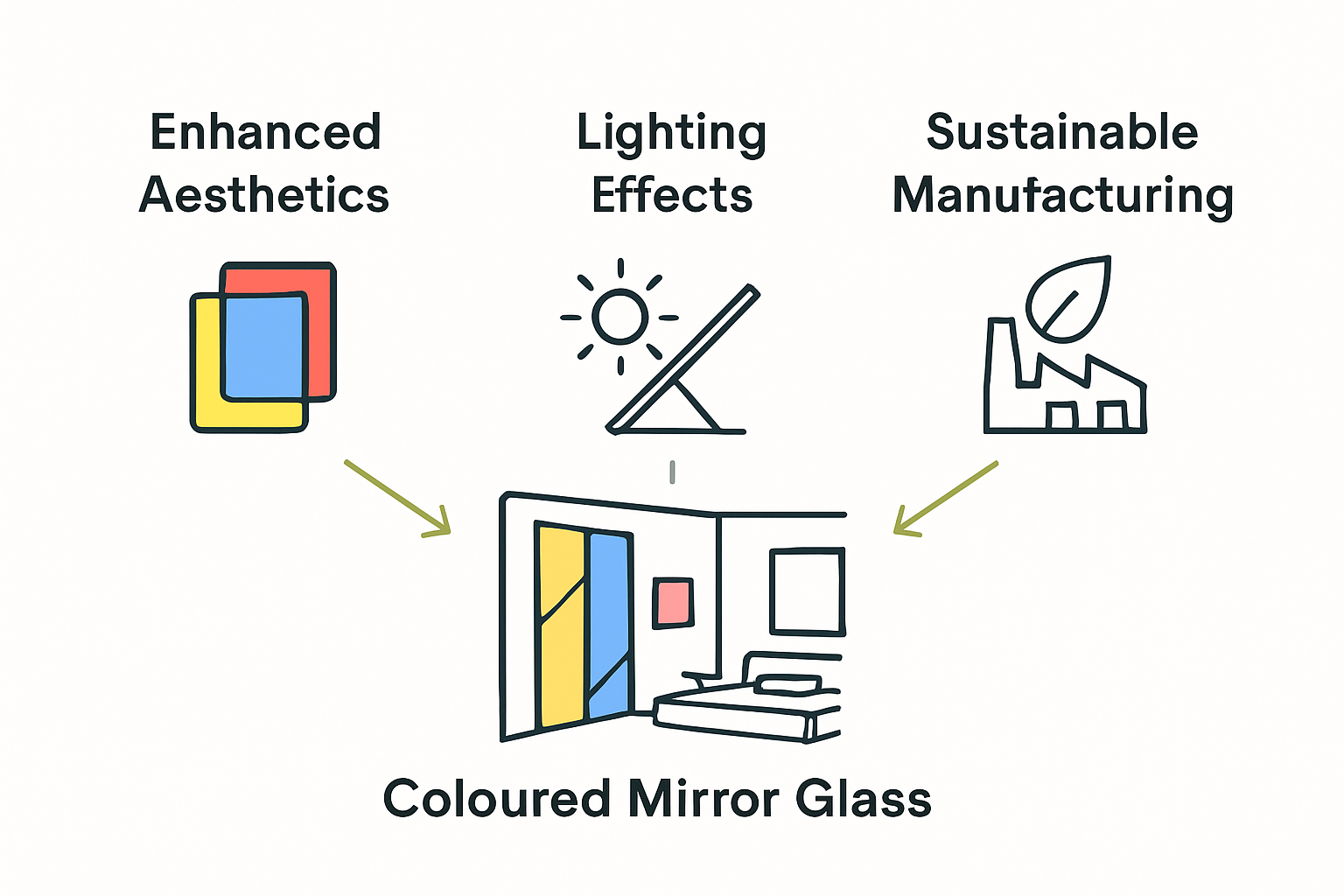
One of the most remarkable attributes of coloured mirror glass is its ability to manipulate light and visual space simultaneously. By reflecting and refracting light through specialised chromatic coatings, these surfaces can make small rooms appear significantly larger and more luminous. The strategic placement of coloured mirror glass creates depth, introduces dynamic visual interest, and establishes a sense of architectural harmony that traditional materials cannot achieve.
The distinctive features of coloured mirror glass can be categorised into several key domains:
Spatial Enhancement
- Expands perceived room dimensions
- Creates illusion of additional depth
- Redistributes natural and artificial light
Aesthetic Versatility
- Available in multiple colour spectrums
- Adaptable to diverse design styles
- Complements existing architectural elements
Technical Advantages
- Superior light reflection capabilities
- Reduced environmental impact
- Enhanced durability compared to traditional mirrors
Beyond aesthetic appeal, modern coloured mirror glass embodies sustainable design principles. Contemporary manufacturing techniques focus on reducing toxic chemical processes and minimising energy consumption, creating products that are not just visually striking but also environmentally responsible. This approach represents a sophisticated intersection of design innovation, technological precision, and ecological consciousness.
Applications in Events, Design, and Decor
Coloured mirror glass has revolutionised creative expression across multiple domains, offering unprecedented versatility in visual design and spatial transformation. Event design technologies have leveraged these sophisticated materials to create immersive environments that transcend traditional decorative approaches.
In the realm of event production, coloured mirror glass serves as a dynamic tool for crafting extraordinary sensory experiences. Event professionals strategically deploy these reflective surfaces to manipulate light, create visual depth, and establish atmospheric environments. Theatre productions, nightclub installations, fashion runway backdrops, and corporate event spaces utilise coloured mirror glass to generate stunning visual narratives that captivate audiences and transform mundane spaces into extraordinary landscapes.
The applications of coloured mirror glass span diverse design contexts:
Event Design
- Stage backdrop installations
- Immersive lighting environments
- Interactive exhibition spaces
- Theatrical set design elements
Interior Design
- Feature wall installations
- Decorative furniture accents
- Spatial expansion techniques
- Architectural light manipulation
Commercial Spaces
- Retail display design
- Restaurant and hospitality environments
- Corporate reception areas
- Creative office workspace configurations
Beyond aesthetic appeal, coloured mirror glass represents a sophisticated approach to spatial design. By manipulating light, colour, and reflection, these innovative materials enable designers to create environments that are not merely visually striking but emotionally evocative, transforming how people experience and interact with physical spaces.
Choosing Coloured Mirror Glass: Risks and Alternatives
Selecting the ideal coloured mirror glass requires careful consideration of multiple factors beyond aesthetic appeal. Sustainable design practices have introduced crucial considerations that extend beyond traditional selection criteria, emphasising environmental impact and long-term performance.
Environmental and production risks represent significant challenges in mirror glass selection. Traditional manufacturing processes involve energy-intensive techniques and potentially toxic chemical treatments that can compromise ecological sustainability. Designers and procurement specialists must evaluate not just visual characteristics but also the broader environmental footprint of their chosen materials.
Key risk assessment considerations include:
Manufacturing Risks
- High energy consumption
- Potential toxic chemical usage
- Carbon footprint of production processes
- Limited recyclability of traditional mirror surfaces
Performance Alternatives
- Aluminum-based reflective coatings
- Bio-sourced silver extraction techniques
- Low-emission manufacturing processes
- Recyclable glass substrate options
Selection Criteria
- Environmental sustainability
- Durability and longevity
- Light reflection capabilities
- Colour stability under different lighting conditions
- Cost-effectiveness of alternative technologies
Modern alternatives to traditional coloured mirror glass are increasingly focusing on reducing environmental impact while maintaining superior aesthetic and functional qualities. By prioritising sustainable manufacturing techniques and innovative material science, designers can select reflective surfaces that not only meet visual requirements but also align with progressive environmental standards.
Elevate Your Event and Design with Coloured Mirror Glass Inspiration
Discover the powerful impact coloured mirror glass can have on your event or interior design by harnessing the magical interplay of light and colour. If you are seeking to create immersive atmospheres, dynamic reflections, or captivating decorative features, the challenge lies in finding reliable, high-quality reflective products that complement this vision without compromising on sustainability or durability.
At Mirror Balls, we understand these ambitions. Our extensive range includes professional mirror balls and accessories designed to enhance lighting effects and spatial perception just as effectively as coloured mirror glass surfaces. Whether you are styling a nightclub, theatre stage, or private venue, our expert solutions help you bring vibrant energy and sophisticated visual depth to your space today. Check out our range of mirror balls and discover how exceptional reflective elements can transform your projects. Act now to explore products tailored to your creative goals and technical requirements.
Frequently Asked Questions
What is coloured mirror glass?
Coloured mirror glass is a decorative material designed to enhance interior spaces with vibrant reflective surfaces, produced by applying coloured metallic coatings or tinted layers to clear glass.
What are the common uses of coloured mirror glass?
Coloured mirror glass is used in various applications, including backdrop panels for events, decorative features in nightclubs, artistic room dividers, and accent elements in home design.
How is coloured mirror glass manufactured?
The manufacturing process involves preparing high-quality clear glass, applying a tin-based underlayer, followed by silver or aluminium metallisation, and then introducing colour-specific metallic pigments.
What are the benefits of using coloured mirror glass?
Coloured mirror glass enhances spatial perception, adds aesthetic versatility, improves light reflection capabilities, and supports sustainable design principles through modern manufacturing techniques.