A perfectly polished mirrored surface has the power to shape light with almost scientific precision, which explains why these features are no stranger to british architecture and design. The smoothness of a mirror can determine whether reflections look flawless or distorted. With over 90 percent of professional-grade mirrors passing strict optical tests, their significance reaches well beyond decoration. This article unpacks how mirrored surfaces work, their different types, how they are made, and the impact they have in creative and technical british applications.
Table of Contents
- Mirrored Surface Definition And Fundamental Concepts
- Main Types Of Mirrored Surfaces Explained
- How Mirrored Surfaces Are Made And Function
- Uses Of Mirrored Surfaces In Event D[NULL]cor
- Safety, Cleaning, And Maintenance Considerations
Key Takeaways
| Point | Details |
|---|---|
| Definition of Mirrored Surfaces | Mirrored surfaces are highly polished, reflective planes engineered to accurately reflect light, crucial for various applications. |
| Types of Mirrored Surfaces | Key types include flat, concave, convex, first surface, and silvered mirrors, each serving specific optical functions. |
| Manufacturing Process | The production involves careful material selection, surface preparation, and precision polishing to achieve optimal reflectivity. |
| Maintenance Guidelines | Regular cleaning and careful handling are essential to preserve the aesthetic and functional integrity of mirrors, especially in high-traffic environments. |
Mirrored Surface Definition and Fundamental Concepts
A mirrored surface represents a highly polished, reflective plane engineered to bounce light rays with exceptional precision and clarity. According to EBSCO, mirrors are smooth, polished surfaces specifically designed to reflect light by creating images through the strategic redirection of light rays back to an observer.
The fundamental characteristics of a mirrored surface depend critically on two primary factors: surface smoothness and material composition. RP Photonics highlights that advanced mirror technologies, such as first surface mirrors, place the reflective coating directly on the front side of the substrate. This innovative design prevents common optical issues like absorption losses and unwanted ghost images that can occur when light passes through traditional mirror materials.
Mirrored surfaces serve diverse applications across multiple industries, including:
- Entertainment and event production
- Professional stage and theatrical lighting
- Film and television set design
- Architectural and interior decoration
- Scientific and optical instrumentation
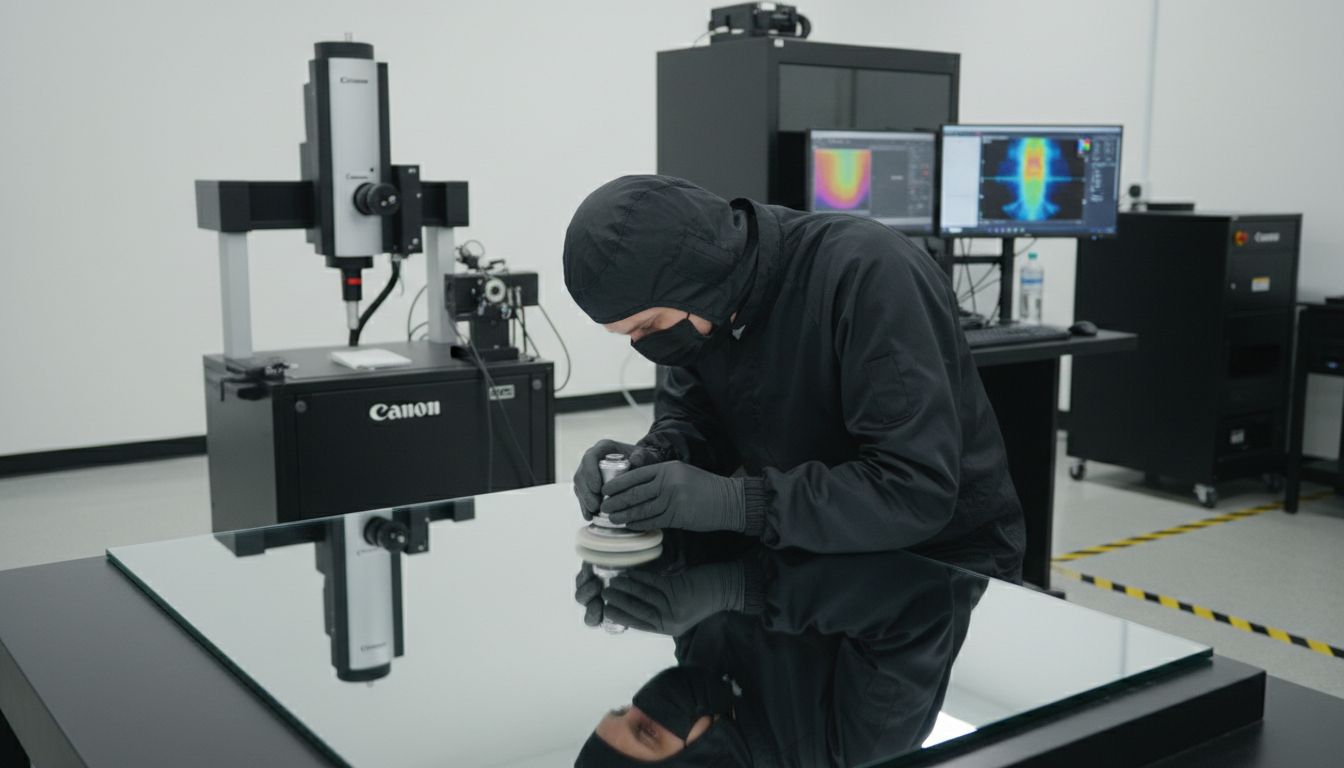
Precision matters immensely in mirror design. The quality of reflection is directly proportional to the surface’s microscopic smoothness, with even minute imperfections potentially distorting light transmission and image clarity. Professional-grade mirrored surfaces undergo rigorous manufacturing processes to ensure near-perfect optical performance, making them essential tools in fields ranging from precision engineering to creative visual experiences.
Main Types of Mirrored Surfaces Explained
Mirrored surfaces come in several distinctive types, each designed for specific optical and practical applications. According to Mirror Warehouse, two primary classifications are concave and convex mirrors, which differ fundamentally in their reflective surface curvature and light manipulation properties.
RP Photonics highlights another critical categorization: first surface mirrors. These advanced optical components feature a reflective coating positioned directly on the front surface of the substrate, eliminating traditional optical challenges like absorption losses and ghost images.
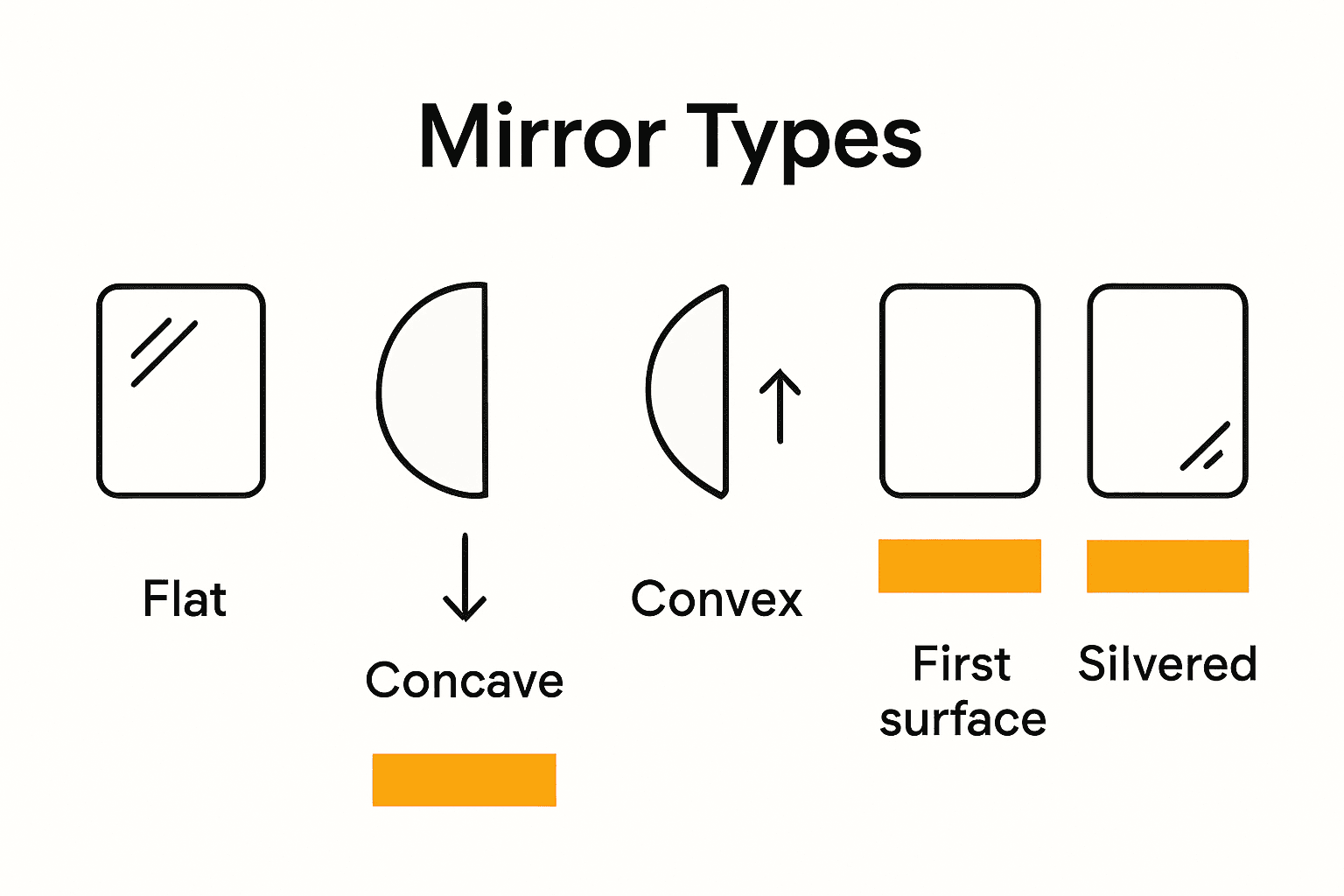
The primary types of mirrored surfaces include:
- Flat Mirrors: Perfectly smooth surfaces providing direct, undistorted reflection
- Concave Mirrors: Inward-curved surfaces that concentrate light to a focal point
- Convex Mirrors: Outward-curved surfaces that diverge light and provide wider viewing angles
- First Surface Mirrors: Precision optical surfaces with front-facing reflective coating
- Silvered Mirrors: Traditional mirrors using silver-based reflective layers
Each mirror type serves unique purposes across various industries.
 Flat mirrors work brilliantly in decorative settings, concave mirrors excel in scientific instrumentation, and convex mirrors are exceptional for security and wide-angle visual applications. The choice depends entirely on the specific reflection and light management requirements of your project.
How Mirrored Surfaces Are Made and Function
Mirror manufacturing is a sophisticated process that combines advanced materials science with precision engineering. According to University of Huddersfield, modern mirrors are predominantly crafted from aluminum alloys, selected for their exceptional reflectivity and durability.
The creation of a high-quality mirrored surface involves multiple intricate steps. MDPI highlights that surface topography measurement techniques, such as fringe-patterned illumination, are critical for assessing the mirror’s optical quality and ensuring precise smoothness standards are met. These advanced measurement methods allow manufacturers to verify the mirror’s performance before final production.
The primary stages of mirror surface production include:
- Material Selection: Choosing appropriate metal alloys with optimal reflective properties
- Substrate Preparation: Creating a perfectly smooth base surface
- Reflective Coating Application: Depositing metallic layers using specialized techniques
- Precision Polishing: Achieving microscopic smoothness
- Quality Control: Rigorous testing for reflectivity and optical performance
Functionality is at the core of mirror design. Mirrored surfaces interact with light through reflection, redirecting incoming light rays at precisely equal angles. This fundamental optical principle enables mirrors to create images, manipulate light paths, and serve countless applications across entertainment, scientific research, architectural design, and technological innovations. The quality of a mirror’s surface directly determines its ability to produce clear, undistorted reflections.
Uses of Mirrored Surfaces in Event Décor
Mirrored surfaces are transformative design elements that can dramatically elevate event aesthetics, creating dynamic visual experiences across multiple event types. From intimate wedding receptions to large corporate galas, these reflective surfaces offer versatile decorative potential that goes far beyond simple wall coverings or traditional ornamental techniques.
Event designers leverage mirrored surfaces in several strategic ways to enhance spatial perception and atmospheric ambience. Placement of mirrors can visually expand smaller venues, create illusion of depth, and multiply existing lighting effects. Strategically positioned mirrors reflect and refract event lighting, generating mesmerizing light displays that can completely transform a venue’s mood and energy.
Key applications of mirrored surfaces in event décor include:
- Dance Floor Accents: Creating dynamic visual backdrops for performances
- Lighting Enhancement: Multiplying and dispersing light effects
- Spatial Illusion: Making venues appear larger and more expansive
- Table Centerpieces: Incorporating reflective elements into table designs
- Backdrop Installations: Developing immersive visual environments
The true magic of mirrored surfaces lies in their ability to interact dynamically with event lighting and surrounding environments. They can transform ordinary spaces into extraordinary experiences, capturing and redirecting light in ways that engage and captivate event attendees. Whether used subtly or as bold statement pieces, mirrored surfaces remain a powerful tool in contemporary event design, offering endless creative possibilities for memorable visual experiences.
Safety, Cleaning, and Maintenance Considerations
Mirror maintenance requires meticulous attention to preserve both aesthetic quality and functional integrity. RP Photonics warns that first surface mirrors are particularly sensitive, with their exposed reflective coating vulnerable to scratches and potential damage during handling or cleaning.
Mirror Warehouse emphasizes the critical importance of regular cleaning using appropriate materials to maintain reflective quality and ensure safety, especially in high-traffic event environments. Proper maintenance isn’t just about appearance – it’s about preserving the mirror’s optical performance and preventing potential hazards.
Key safety and maintenance guidelines include:
- Gentle Cleaning: Use microfibre cloths to prevent surface scratching
- Avoid Harsh Chemicals: Stick to specialised mirror cleaning solutions
- Careful Handling: Always handle mirrors with clean, soft gloves
- Regular Inspection: Check for signs of damage or degradation
- Proper Storage: Store in protective cases when not in use
The longevity of mirrored surfaces depends on proactive care and thoughtful handling. Event professionals must implement systematic maintenance protocols that protect these delicate optical surfaces from environmental damage, physical impact, and chemical deterioration. By treating mirrors as precision instruments rather than mere decorative elements, you can ensure they remain stunning, functional, and safe throughout their operational lifecycle.
Transform Your Event with Stunning Mirrored Surfaces and Mirror Balls
Understanding the power of mirrored surfaces to enhance event décor opens a world of creative possibilities. Whether you seek to expand intimate spaces, amplify lighting effects, or captivate guests with dynamic reflections, the right mirrored elements make all the difference. This article highlights how carefully chosen reflective designs can turn any venue into a memorable visual experience. At Mirror Balls, we share your goal of elevating event atmospheres by offering an extensive range of high-quality mirror balls and accessories that perfectly complement mirrored surface concepts.
Discover how our selection of professional-grade disco balls and glittering mirror spheres can multiply your lighting effects and create striking spatial illusions. Act now to browse our collection and find the ideal pieces to transform your event into something truly exceptional. Harness the science of reflection with practical, dazzling solutions from Mirror Balls. Explore the possibilities today and bring your event’s mirrored design ambitions to life.
Frequently Asked Questions
What defines a mirrored surface?
A mirrored surface is a highly polished, reflective plane designed to bounce light rays with precision, creating clear images by redirecting light back to an observer.
What are the main types of mirrored surfaces used in events?
The main types include flat mirrors, concave mirrors, convex mirrors, first surface mirrors, and silvered mirrors, each serving distinct purposes depending on reflection and light manipulation needs.
How are mirrored surfaces beneficial in event décor?
Mirrored surfaces enhance event aesthetics by creating spatial illusions, multiplying light effects, and adding dynamic visual elements that can transform a venue’s atmosphere.
What are the best practices for cleaning and maintaining mirrored surfaces?
Use a microfibre cloth and specialised cleaning solutions to avoid scratches and ensure safety. Handle mirrors carefully, store them properly, and conduct regular inspections for damage.
Recommended
- Complete Guide to How Mirror Balls Diffuse Light – Mirror Balls
- 7 Examples of Mirror Ball Effects for Stunning Events – Mirror Balls
- 7 Creative Mirror Ball Uses for Events and Venues – Mirror Balls
- Pros and Cons of Mirror Balls Explained – Mirror Balls
- Wireless Screen Mirroring in Malaysia: 2025 Guide for Entertainment, Education, and Business – Projector Display