Most British homes rely on mirrors for more than just checking appearances. In fact, studies show that the average person in the United Kingdom looks in a mirror over 50 times each day. This widespread use shapes both style trends and how space is experienced. Whether you want to brighten a hallway or rethink a tiny flat, discovering the truth behind mirror décor opens up new creative options you might not expect.
Table of Contents
- Mirrors In Décor Defined And Misconceptions
- Key Types And Styles Of Decorative Mirrors
- How Mirrors Influence Space And Light
- Common Applications Across UK Venues
- Pitfalls And Mistakes In Mirror Placement
Key Takeaways
| Point | Details |
|---|---|
| Transformative Role of Mirrors | Mirrors are not just reflective surfaces; they significantly alter spatial perception and enhance room dynamics. |
| Debunking Common Myths | Effectiveness of mirrors varies based on placement, surrounding colour, and light sources, rather than size alone. |
| Psychological Impact | Thoughtfully integrated mirrors can evoke emotions and support sophisticated design intentions within a space. |
| Importance of Proper Placement | Careful consideration during placement is crucial to avoid visual clutter and ensure the intended spatial effects are achieved. |
Mirrors in Décor Defined and Misconceptions
Mirrors are far more than simple reflective surfaces – they are transformative design elements that fundamentally reshape spatial perception and atmospheric dynamics. Understanding their nuanced role requires moving beyond basic misconceptions about their decorative potential. A detailed guide about mirrored surfaces reveals how these versatile design tools can dramatically alter room characteristics.
Contrary to popular belief, mirrors are not just functional accessories but strategic architectural interventions. They possess the remarkable ability to manipulate light, create optical illusions, and generate visual depth in ways that traditional wall treatments cannot. Designers strategically employ mirrors to expand perceived room dimensions, redirect natural illumination, and introduce dynamic visual complexity into interior environments. When positioned thoughtfully, a mirror can make a compact space feel substantially larger, brighter, and more architecturally sophisticated.
Several persistent myths about mirror usage in décor require deconstruction. Many individuals mistakenly believe mirrors work identically in every space or that larger mirrors are always superior. In reality, mirror effectiveness depends on precise placement, surrounding colour palette, available light sources, and the specific architectural context. Some spaces benefit from smaller, strategically positioned reflective surfaces, while others demand expansive mirror installations. Professional interior designers understand that mirror selection is a nuanced art form requiring careful consideration of spatial geometry, aesthetic goals, and environmental dynamics.
The psychological impact of mirrors extends beyond mere visual manipulation. They can create emotional resonance within a space, generating feelings of openness, luminosity, and psychological expansion. By carefully integrating coloured mirror glass or selecting unique framing techniques, designers can transform mirrors from passive background elements into active, emotionally engaging design statements that communicate sophistication and intentional aesthetic vision.
Key Types and Styles of Decorative Mirrors
Decorative mirrors represent a sophisticated design language that transcends mere functional reflection, offering profound aesthetic and spatial possibilities. Statement mirror styles reveal a rich tapestry of design approaches that transform interior spaces through intentional visual strategies. From minimalist geometric frames to ornate baroque-inspired designs, these reflective surfaces serve as crucial artistic interventions in contemporary interior design.
Modern decorative mirrors can be categorised into several distinct stylistic families. Geometric mirrors – characterised by angular, precise shapes like hexagons, triangles, and asymmetrical configurations – provide a contemporary aesthetic that appeals to minimalist design sensibilities. Sunburst mirrors, featuring radiating frame elements reminiscent of solar rays, offer a mid-century modern touch that creates dramatic visual focal points. Vintage-inspired mirrors with intricate metallic frames or elaborate carved wood detailing introduce classical elegance, while frameless contemporary designs prioritise clean lines and seamless integration with modern architectural spaces.
Beyond aesthetic classification, mirror styles dramatically influence spatial perception. Large floor mirrors can visually expand rooms, creating illusions of depth and openness. Smaller decorative mirrors grouped in curated clusters generate dynamic visual interest, breaking monotonous wall surfaces and introducing rhythmic visual complexity. Professional designers strategically select mirror styles not just for their reflective qualities, but as deliberate artistic statements that communicate sophisticated design intentions.
The psychological and emotional impact of mirror styles should not be underestimated. Professional interior designers’ mirror selections demonstrate how reflective surfaces can generate specific atmospheric experiences. A sleek, minimalist mirror might evoke feelings of calm and precision, while an ornate, gilded mirror could introduce a sense of luxury and historical grandeur. Ultimately, decorative mirrors are far more than passive design elements – they are powerful tools for spatial storytelling, capable of transforming mundane environments into compelling, emotionally resonant experiences.
How Mirrors Influence Space and Light
Mirrors are sophisticated optical instruments that fundamentally transform spatial perception and illumination dynamics. Optical properties of curved mirrors reveal complex interactions between reflective surfaces and environmental light, enabling designers to manipulate visual experiences with remarkable precision. These reflective elements do far more than simply duplicate visual information – they actively reshape our understanding of spatial boundaries and luminous intensity.
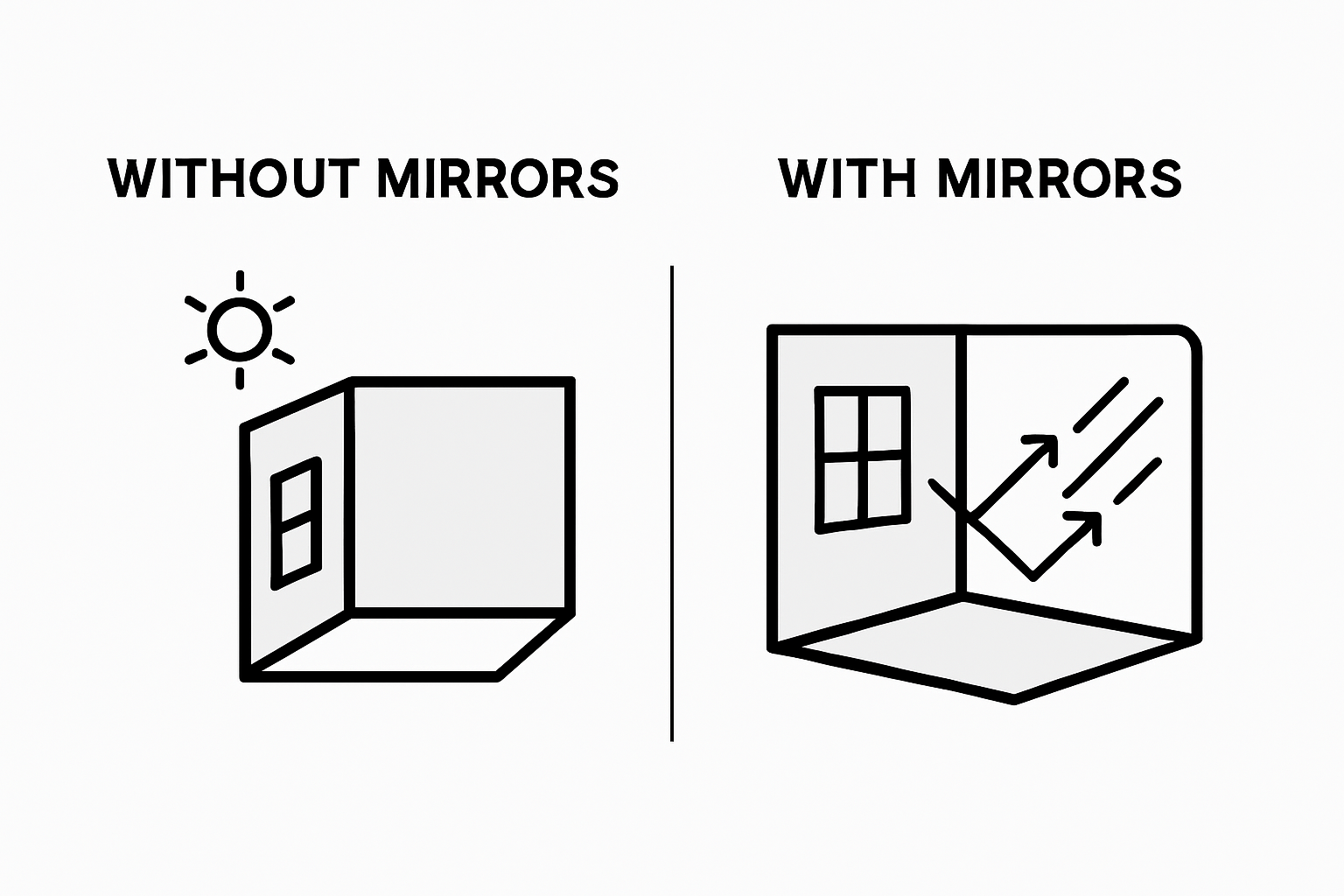
The strategic placement of mirrors can dramatically alter a room’s perceived dimensions and lighting characteristics. Large mirrors positioned opposite windows can effectively double natural light input, creating an expansive and luminous atmosphere. Curved mirrors introduce particularly intriguing spatial transformations, subtly distorting and stretching visual perspectives in ways that challenge traditional spatial understanding. Professional designers leverage these optical principles to generate depth, create visual intrigue, and manipulate the emotional resonance of interior environments.
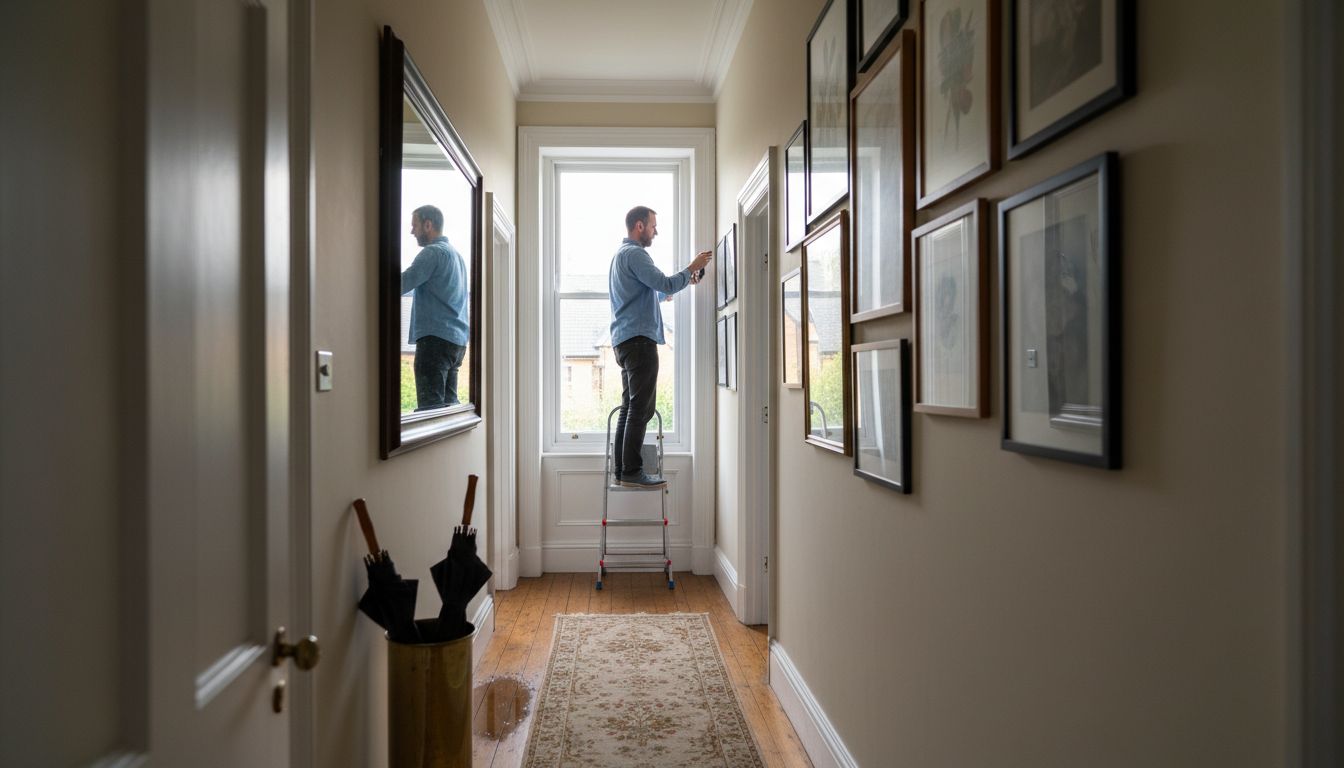
However, mirror placement requires nuanced consideration to achieve optimal results. Creating the illusion of space demands careful evaluation of angle, surrounding colours, and existing light sources. Poorly positioned mirrors can create visual clutter or uncomfortable reflective dissonance. Successful mirror integration involves understanding how different surfaces interact with ambient and directed light, considering factors such as reflection intensity, colour temperature, and the psychological impact of spatial manipulation.
Ultimately, mirrors transcend simple decorative elements. They are dynamic design tools that negotiate the complex relationship between physical space, light, and human perception. By understanding their optical capabilities, designers can transform ordinary rooms into extraordinary spatial experiences, using reflection as a sophisticated medium for architectural storytelling and emotional design. The magic of mirrors lies not in what they show, but in how they reimagine our understanding of space and illumination.
Common Applications Across UK Venues
Mirrors represent a versatile design element with profound applications across diverse UK venues, transcending mere decorative function to become strategic spatial and atmospheric tools. Decorative and antiqued mirrors have emerged as critical design interventions in historical restorations, contemporary commercial spaces, and creative environments, demonstrating remarkable adaptability across different architectural contexts.
In entertainment venues such as nightclubs, theatres, and performance spaces, mirrors serve multiple sophisticated purposes. Disco halls and dance venues utilise mirror balls and reflective surfaces to create dynamic lighting effects, transforming spatial perceptions through fragmented light and movement. Concert venues incorporate strategically positioned mirrors to enhance stage visibility, extend visual perspectives, and generate immersive atmospheric experiences. Professional event spaces leverage mirrors to manipulate perceived room dimensions, creating an illusion of expansiveness that can dramatically alter audience engagement and venue atmosphere.
Commercial and institutional settings also demonstrate innovative mirror applications. Restaurants and bars use decorative mirrors to create intimate zones, visually expand confined spaces, and generate sophisticated ambient lighting. Educational institutions incorporate mirrors in design studios, performance spaces, and collaborative areas to enhance spatial dynamics and visual communication. Art galleries and museums employ mirrors as both functional display elements and artistic interventions, using their reflective qualities to create multi-dimensional viewer experiences that challenge traditional spatial perceptions.
Beyond aesthetic considerations, mirrors in UK venues function as powerful psychological and environmental design tools. They can soften architectural rigidity, redirect natural and artificial light, and generate emotional resonance within spaces. Whether in historical buildings requiring delicate restoration or contemporary spaces seeking innovative design solutions, mirrors offer a unique ability to transform environments, create visual intrigue, and negotiate the complex relationship between physical space and human perception.
Pitfalls and Mistakes in Mirror Placement
Mirror placement represents a delicate design art that requires nuanced understanding and strategic approach. Avoiding common mirror placement mistakes demands careful consideration of spatial dynamics, lighting conditions, and aesthetic harmony. Designers and homeowners frequently encounter subtle yet significant challenges that can dramatically undermine their intended visual outcomes.
Overusing mirrors represents one of the most prevalent design errors, creating visual chaos and overwhelming spatial perception. Inexperienced decorators often install multiple mirrors without considering their collective impact, resulting in a cluttered and disorienting environment. Strategic mirror placement requires understanding reflection angles, surrounding architectural elements, and the psychological impact of repeated reflective surfaces. A single well-positioned mirror can create more visual depth and spatial expansion than numerous poorly coordinated installations.
Potential technical pitfalls extend beyond aesthetic considerations. Improper mounting techniques can compromise mirror stability, creating safety risks and potential damage to walls and reflective surfaces. Mirrors positioned opposite harsh light sources can generate uncomfortable glare, while those installed without considering room geometry might create unintended visual distortions. Professional designers recommend assessing natural light patterns, wall structure, and room proportions before finalising mirror placement, ensuring both functional integrity and visual sophistication.
Ultimately, mirror placement is an intuitive design practice that balances technical precision with creative vision. Expert mirror ball placement techniques offer valuable insights into creating balanced, visually compelling environments. Successful mirror integration requires understanding not just spatial mechanics, but the subtle psychological and emotional impact of reflection. Each mirror should serve a deliberate design purpose – expanding light, creating depth, or generating specific atmospheric qualities that enhance the overall sensory experience of a space.
Transform Your Space with Mirrors That Do More Than Reflect
The article highlights how mirrors are powerful design tools that influence light, depth, and atmosphere in a space. If you are looking to expand a room visually, create captivating lighting effects, or bring dynamic energy to your venue or home, understanding mirror placement and style is only the first step. The challenge lies in choosing pieces that not only fit your space but also add emotional and spatial resonance.
Mirror Balls offer unique reflective qualities that bring this very concept to life. Whether for nightclubs, ballrooms, theatres, or stylish home décor, these products transform ordinary light into immersive, rhythmic experiences. Elevate your environment with expertly crafted mirror balls designed to enhance spatial perception and atmosphere as described in the article.
Explore the range of mirror balls and accessories on https://mirror-balls.co.uk today. Act now to redefine your space with dazzling reflections that do more than decorate – they reinvent. Discover how professional-grade mirror balls can create stunning visual statements that go beyond traditional mirrors, fitting your style and lighting needs perfectly.
Frequently Asked Questions
What is the role of mirrors in interior design?
Mirrors are not just functional items; they act as transformative design elements that manipulate light, create optical illusions, and enhance spatial perception, fundamentally reshaping the atmosphere of a room.
How can the placement of mirrors affect room size perception?
Strategically placing mirrors, especially large ones opposite windows, can create the illusion of more space, making a compact area feel larger and brighter by reflecting light and visual depth.
What are common misconceptions about using mirrors in décor?
Many people believe that larger mirrors are always better or that mirrors work the same way in every space. However, the effectiveness of a mirror depends on its placement, surrounding colours, and lighting conditions.
How can mirrors impact the mood of a space?
The psychological impact of mirrors can enhance feelings of openness and brightness within a space. Different styles and framing techniques can also evoke specific emotions, transforming mirrors into powerful design statements.