Over 80 percent of british dance venues report that advanced lighting is the key to unforgettable event experiences. For Event Organizers and Venue Managers across the United Kingdom, choosing the right multi-colour rotator can make the difference between a standard night and an extraordinary performance. This guide highlights the professional features and benefits of multi-colour rotators so you can create vibrant visual effects and keep your audience entranced.
Table of Contents
- What Is A Multi-Colour Rotator?
- Types Of Multi-Colour Rotators For Events
- How Multi-Colour Rotators Function
- Safety And Installation Requirements For Venues
- Choosing The Right Rotator: Features And Costs
Key Takeaways
| Point | Details |
|---|---|
| Functionality | Multi-colour rotators enhance event atmospheres by creating dynamic light displays with smooth, adjustable rotation speeds. |
| Types and Uses | Various rotator types exist, such as mirror ball, scanner, programmable LED, and motorised platform rotators, each suited to different venue requirements. |
| Safety Considerations | Proper installation involves ensuring structural integrity, electrical compliance, and effective cable management to guarantee safety during events. |
| Selection Criteria | Factors like rotation speed, control mechanisms, and colour capability are crucial when choosing a rotator, impacting performance and event experience. |
What Is a Multi-Colour Rotator?
A multi-colour rotator is a sophisticated lighting device designed to transform event atmospheres by creating dynamic, rotating light displays. These precision-engineered mechanisms are specifically crafted to mount and rotate mirror balls or specialised lighting equipment, enabling seamless, continuous movement that dramatically enhances visual experiences in performance spaces, dance venues, and entertainment settings.
Typically, multi-colour rotators function through electric motors that provide smooth, consistent rotation speeds ranging from slow, atmospheric movements to rapid, energetic spins. Exploring light rotator mechanisms reveals their complex internal engineering, which allows precise control over rotation direction, speed, and lighting effects. Professional event managers utilise these devices to create immersive environments that engage audiences through mesmerising light patterns and movement.
These rotators come in various configurations, supporting different weights and sizes of mirror balls or lighting fixtures. Some models offer programmable features that allow intricate lighting sequences, colour transitions, and synchronised movements. Key characteristics include robust construction, quiet operation, variable speed controls, and compatibility with professional lighting systems.
Pro tip: When selecting a multi-colour rotator, prioritise models with adjustable rotation speeds and robust motor designs to ensure reliable performance across diverse event requirements.
Types of Multi-Colour Rotators for Events
Event lighting professionals utilise several distinct multi-colour rotator configurations, each designed to meet specific performance requirements. Rotor lights in performance settings showcase remarkable versatility, with scanner-style rotators capable of producing narrow, dynamic light beams that transform event atmospheres through precise movement and colour transitions.
The primary categories of multi-colour rotators include:
- Mirror Ball Rotators: Specifically engineered to support traditional mirror balls, providing smooth 360-degree rotation
- Scanner Rotators: Designed for directional lighting, enabling rapid beam movements and intricate light pattern generation
- Programmable LED Rotators: Advanced models featuring digital control interfaces for complex colour and movement sequences
- Motorised Platform Rotators: Larger units capable of rotating substantial lighting fixtures or entire stage elements
Professional rotator selection techniques involve carefully evaluating motor specifications, weight capacity, rotation speed ranges, and compatibility with existing lighting systems. Each rotator type offers unique advantages, with scanner-style units particularly popular in nightclubs and concert venues for their ability to create dynamic, immersive visual experiences.
Here is a summary comparing multi-colour rotator types and their typical event applications:
| Rotator Type | Primary Use | Typical Venue Type |
|---|---|---|
| Mirror Ball Rotator | Classic ambience effect | Ballrooms, discotheques |
| Scanner Rotator | Animated light shows | Concerts, nightclubs |
| Programmable LED Rotator | Customised sequences | Theatres, production sets |
| Motorised Platform Rotator | Large fixture rotation | Live stages, exhibitions |
Pro tip: When choosing a multi-colour rotator, always verify the motor’s load-bearing capacity and electrical requirements to ensure seamless integration with your existing event lighting infrastructure.
How Multi-Colour Rotators Function
Multi-colour rotators operate through sophisticated electronic and mechanical systems designed to create dynamic lighting experiences. Multi-coloured lighting technology enables precise pixel manipulation, allowing rapid colour transitions and intricate movement patterns that transform event atmospheres.
The core functional components of multi-colour rotators typically include:
- Electric Motor: Provides consistent rotational movement
- Control Interface: Manages speed, direction, and colour configurations
- LED Colour Mechanism: Generates multi-colour light spectrum
- Precision Gearing: Ensures smooth, controlled rotation
- Digital Programming Module: Enables complex lighting sequences
Mirror ball rotator mechanics reveal that most units use low-voltage DC motors capable of producing rotation speeds between 0.5 and 10 revolutions per minute. Professional models incorporate microprocessor-based controllers that allow seamless programming of rotation patterns, ensuring precise light distribution and movement synchronisation.
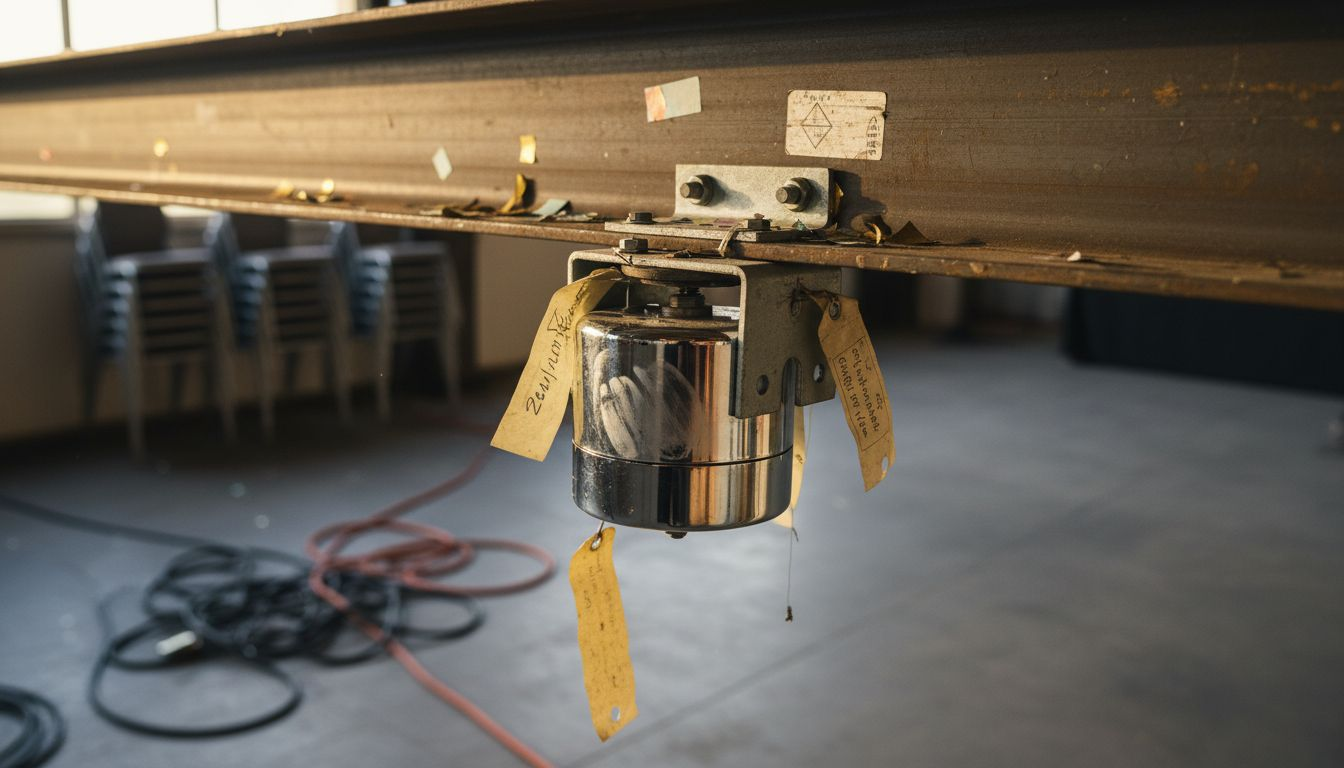
Advanced multi-colour rotators can integrate complex algorithmic controls, enabling lighting technicians to create intricate visual narratives through strategic colour transitions and movement patterns. These sophisticated devices transform static lighting setups into dynamic, immersive experiences that respond dynamically to musical rhythms and event atmospheres.
Pro tip: When installing multi-colour rotators, always test rotation speeds and colour transitions in advance to ensure optimal performance and visual impact.
Safety and Installation Requirements for Venues
Multi-colour rotator installations require meticulous planning and adherence to strict safety protocols. Venue lighting safety standards emphasise comprehensive electrical and structural compliance to protect performers, staff, and audience members during event productions.
Key safety considerations for multi-colour rotator installations include:
- Structural Integrity: Ensuring robust mounting points capable of supporting equipment weight
- Electrical Compliance: Using appropriately rated electrical circuits and connection methods
- Load Distribution: Calculating precise weight distribution across mounting surfaces
- Heat Management: Implementing adequate ventilation for electronic components
- Cable Management: Securing all electrical connections to prevent accidental disconnection
Mirror ball setup techniques recommend professional assessment of venue infrastructure before installation. This involves comprehensive structural evaluation, electrical load calculations, and identification of potential risk factors that could compromise equipment performance or audience safety.
Venue managers must also consider environmental factors such as temperature, humidity, and potential mechanical stress. Professional installation requires specialised rigging equipment, appropriate safety certifications, and thorough pre-event testing to ensure seamless and secure multi-colour rotator deployment.
Pro tip: Always engage a certified lighting technician to conduct a comprehensive safety audit before installing multi-colour rotators in any venue.
Choosing the Right Rotator: Features and Costs
Multi-colour rotator selection requires careful evaluation of technical specifications, performance capabilities, and budget constraints. Advanced multi-effect LED fixtures represent cutting-edge technology that combines sophisticated rotational mechanics with complex colour manipulation features.
Key considerations for rotator selection include:
- Performance Range: Rotation speed capabilities
- Control Mechanisms: DMX compatibility, sound activation options
- Colour Spectrum: RGB, RGBWA, and advanced colour mixing capabilities
- Power Requirements: Voltage specifications and electrical consumption
- Budget Constraints: Price points ranging from £150 to £1,500
Understanding rotator specifications becomes crucial when matching equipment to venue requirements. Professional event managers must balance technical performance with budgetary limitations, considering factors such as motor quality, control interface complexity, and long-term durability.
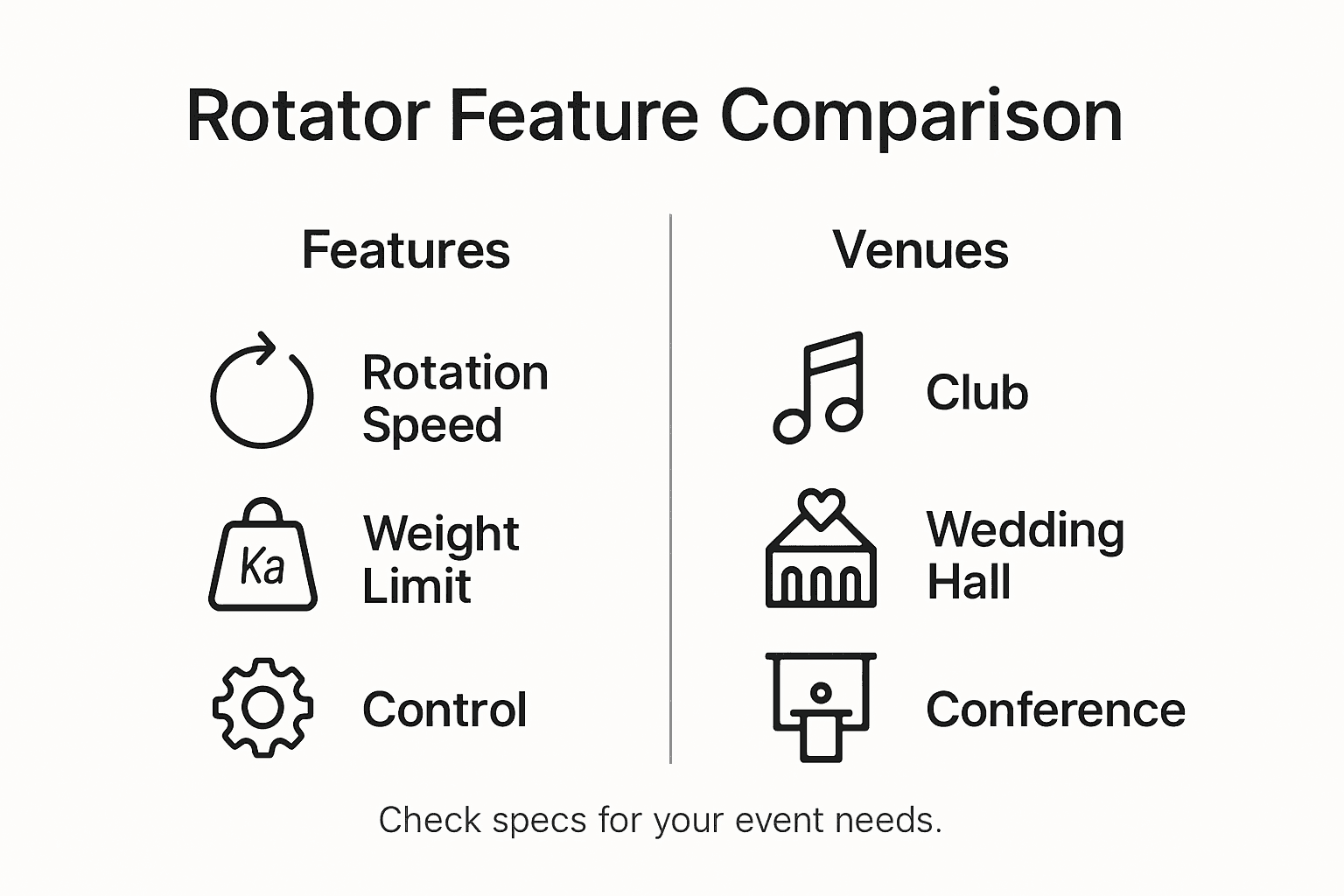
This table highlights key factors influencing rotator selection and their impact on event performance:
| Selection Factor | Why It Matters | Event Impact |
|---|---|---|
| Rotation Speed | Sets movement pace | Alters energy and mood |
| Control Interface | Allows versatile programming | Enables synchronised light shows |
| Motor Durability | Ensures reliable operation | Minimises performance downtime |
| Colour Capability | Expands creative options | Enhances atmosphere and effects |
Cost stratification in multi-colour rotators typically follows these categories:
- Entry-Level: £150-£350 (Basic functionality, limited features)
- Mid-Range: £350-£750 (Enhanced colour control, more stable performance)
- Professional-Grade: £750-£1,500 (Advanced programming, complex movement patterns)
Pro tip: Always request manufacturer specifications and conduct a thorough performance test before final purchase to ensure the rotator meets your specific event requirements.
Elevate Your Event Atmosphere with Professional Multi-Colour Rotators and Mirror Balls
Transforming your event environment demands precision equipment designed to deliver immersive lighting effects with dependable performance. If you aim to create captivating atmospheres through dynamic rotation and vibrant multi-colour displays, understanding the importance of rotator motor durability, control versatility, and colour capabilities is essential. At Mirror Balls, we specialise in offering a wide selection of professional-grade mirror balls and compatible rotators engineered to meet diverse event needs—whether you require smooth 360-degree rotation for classic mirror balls or advanced programmable options for bespoke light shows.
Discover reliable, tested solutions to overcome installation challenges with sturdy mounting options and compatible electrical specifications. Explore our expert-curated product range at Mirror Balls and access valuable guidance on setup and safety to ensure your multi-colour rotators perform flawlessly every time. Start your journey towards a breathtaking event atmosphere today by visiting https://mirror-balls.co.uk and selecting the perfect combination of mirror balls and rotators tailored to your venue requirements.
Frequently Asked Questions
What is a multi-colour rotator?
A multi-colour rotator is a lighting device designed to create dynamic, rotating light displays, enhancing the atmosphere of events by providing continuous movement and captivating visual effects.
How do multi-colour rotators work?
Multi-colour rotators operate using electric motors to provide smooth rotation, while control interfaces allow for speed and direction adjustments, creating intricate lighting sequences with various colour transitions.
What types of multi-colour rotators are available for events?
The main types include mirror ball rotators, scanner rotators, programmable LED rotators, and motorised platform rotators, each catering to different lighting needs and event settings.
What features should I consider when choosing a multi-colour rotator?
Consider important factors such as rotation speed capabilities, control mechanisms (e.g., DMX compatibility), colour spectrum, power requirements, and your budget to ensure the rotator meets your specific event needs.