Mirror ball rotators have become the secret ingredient behind some of the most captivating light displays at events and nightclubs. Some models can spin mirror balls weighing up to 350 kilograms at speeds between 0.5 and 5 revolutions per minute. People often focus on the dazzling mirror ball itself, but the real magic comes from the smooth, steady movement engineered by these devices. Without a carefully designed rotator, that iconic shimmer would be nothing more than a static light show waiting to happen.
Table of Contents
- Defining Mirror Ball Rotators: What Are They?
- The Importance of Mirror Ball Rotators in Event Spaces
- How Mirror Ball Rotators Function to Enhance Ambiance
- Key Features and Variations of Mirror Ball Rotators
- Real-World Applications of Mirror Ball Rotators
Quick Summary
| Takeaway | Explanation |
|---|---|
| Mirror ball rotators enhance lighting effects | These devices transform static mirror balls into dynamic light displays, captivating audiences in various venues. |
| Key components are electric motor and brackets | Mirror ball rotators consist of an electric motor, mounting bracket, and suspension system for smooth rotation. |
| Versatile use across multiple venues | Rotators are applicable in nightclubs, weddings, and corporate events, enhancing the atmosphere with dynamic lighting. |
| Adjustable speeds create varied effects | Users can modify rotation speeds to alter the ambiance, from soft lighting to energetic displays, based on event needs. |
| Integration with advanced technology possible | Some rotator models support DMX control, allowing synchronization with broader lighting systems for sophisticated visual designs. |
Defining Mirror Ball Rotators: What Are They?
Mirror ball rotators are specialized mechanical devices engineered to slowly rotate mirror balls, creating mesmerizing lighting displays in entertainment and event spaces. According to the Smithsonian Magazine, these devices transform static mirror balls into dynamic visual experiences that captivate audiences.
The Core Components of Mirror Ball Rotators
A mirror ball rotator typically consists of three primary elements: an electric motor, a mounting bracket, and a suspension mechanism. The electric motor provides consistent rotational movement, allowing the mirror ball to spin smoothly and create a dynamic light reflection effect. Mounting brackets ensure secure attachment, while suspension mechanisms enable flexible positioning in various event environments.
This table breaks down the key components and technical features found in mirror ball rotators, providing readers with a quick reference for understanding design distinctions mentioned throughout the article.
| Component/Feature | Description |
|---|---|
| Electric Motor | Powers the rotation, available in DC or AC variants |
| Mounting Bracket | Attaches securely to truss or ceiling structures |
| Suspension Mechanism | Allows flexible, safe positioning of the mirror ball |
| Adjustable Speed Control | Varies rotation rate (0.5–5 RPM) for different moods |
| Silent Operation | Ensures minimal noise during event performances |
| Load Capacity | Supports various ball weights (up to 350 kg in models) |
| DMX/Remote Control Integration | Enables syncing with broader lighting control systems |
| Compact/Lightweight Design | Facilitates installation in diverse venues |
Key Design Features:
- Silent motor operation
- Adjustable rotation speeds
- Compact and lightweight construction
- Compatible with multiple mirror ball sizes
Practical Applications in Entertainment
These devices are not just technical equipment but essential tools in creating immersive atmospheric experiences. Nightclubs, wedding venues, concert halls, and professional event spaces rely on mirror ball rotators to generate dynamic lighting effects that enhance mood and visual excitement. Check out our guide on rotating mirror ball motors for more detailed insights into their technical specifications and usage.
The rotation mechanism transforms a stationary mirror ball into a dynamic light-reflecting instrument. As the ball slowly turns, it catches and disperses light from various angles, creating a shimmering, ever-changing pattern across walls and dance floors. This continuous movement breaks up static light and adds a sense of energy and movement to any space, making mirror ball rotators a versatile tool for lighting designers and event professionals.
The Importance of Mirror Ball Rotators in Event Spaces
Research from the Smithsonian reveals that mirror ball rotators have transformed how entertainment venues create atmospheric experiences. These specialized devices go beyond simple lighting equipment, serving as critical tools for generating dynamic visual environments across multiple professional settings.
Enhancing Atmospheric Dynamics
Mirror ball rotators play a pivotal role in creating immersive sensory experiences. By enabling continuous, smooth rotation of mirror balls, these devices transform static lighting into interactive visual displays. The rotating mechanism allows light to be dispersed across different angles, generating a mesmerizing effect that captures audience attention and elevates the overall ambiance of an event space.
Key Atmospheric Benefits:
- Creates dynamic visual movement
- Breaks monotonous lighting patterns
- Generates multi-directional light reflections
- Adds depth and energy to event environments
Professional Applications Across Industries
Professional environments leverage mirror ball rotators in diverse contexts. Nightclubs utilize them to create high-energy dance floor experiences, while wedding venues employ these devices to generate romantic, shimmering atmospheres. Corporate events and conference centers also integrate mirror ball rotators to add sophisticated visual elements during presentations and networking sessions. Explore our range of professional rotating mirror ball motors to understand the versatility of these innovative lighting solutions.
The strategic implementation of mirror ball rotators demonstrates how technical equipment can transcend functional requirements and become an integral part of creating memorable sensory experiences. By transforming simple mirror balls into dynamic light-reflecting instruments, these rotators represent a sophisticated approach to environmental design and atmospheric manipulation.
How Mirror Ball Rotators Function to Enhance Ambiance
Lighting design experts recognize mirror ball rotators as sophisticated instruments that transform environmental aesthetics through precision mechanical engineering. These devices operate on a nuanced principle of converting electrical energy into controlled rotational movement, creating dynamic visual experiences.
Mechanical Principles of Rotation
Mirror ball rotators employ specialized electric motors designed to generate consistent, smooth circular motion. The motor’s core functionality involves transforming electrical input into mechanical rotation at carefully calibrated speeds. Precision gearing mechanisms ensure uniform movement, allowing the mirror ball to spin with minimal vibration and maximum visual elegance.
Critical Rotation Parameters:
- Precise motor speed control
- Minimal mechanical noise
- Smooth angular momentum
- Consistent rotational trajectory
Light Reflection and Spatial Dynamics
The rotational mechanism interacts dynamically with surrounding light sources, creating a complex visual phenomenon. As the mirror ball slowly turns, its precisely angled mirror fragments capture and redirect light across multiple planes, generating a shimmering, ever-changing light display. This continuous movement breaks conventional lighting patterns, transforming static environments into immersive, energetic spaces. Explore our professional mirror ball accessories to understand the intricate engineering behind these fascinating devices.
By controlling rotation speed and positioning, lighting professionals can manipulate atmospheric intensity.
Slower rotations create a soft, dreamy ambiance, while faster speeds generate high-energy visual experiences, demonstrating the rotator’s remarkable versatility in environmental design.
Key Features and Variations of Mirror Ball Rotators
Lighting technology researchers have identified multiple critical design variations that distinguish modern mirror ball rotators. These sophisticated devices offer unprecedented flexibility in creating dynamic visual environments across professional and entertainment settings.
Motor Performance and Technical Specifications
Mirror ball rotators come in diverse motor configurations, each engineered to meet specific performance requirements. Professional models typically feature variable speed controls, allowing precise manipulation of rotation rates from extremely slow, subtle movements to rapid, high-energy spinning. Electrical specifications range from low-voltage DC motors for portable applications to robust AC motors designed for heavy-duty commercial installations.
Critical Technical Characteristics:
- Load capacity ranging from 1kg to 350kg
- Rotation speeds between 0.5 to 5 revolutions per minute
- Voltage compatibility across 110V and 220V systems
- Multiple mounting configuration options
Installation and Mounting Configurations
Designers and event professionals can choose from multiple mounting strategies tailored to specific spatial requirements. Truss-mounted rotators provide robust overhead installation, while compact bracket systems enable flexible positioning in more confined spaces. Explore our professional truss twister mirror ball rotator options to understand the range of installation possibilities.
Some advanced rotator models incorporate integrated DMX control capabilities, enabling seamless synchronization with broader lighting management systems.
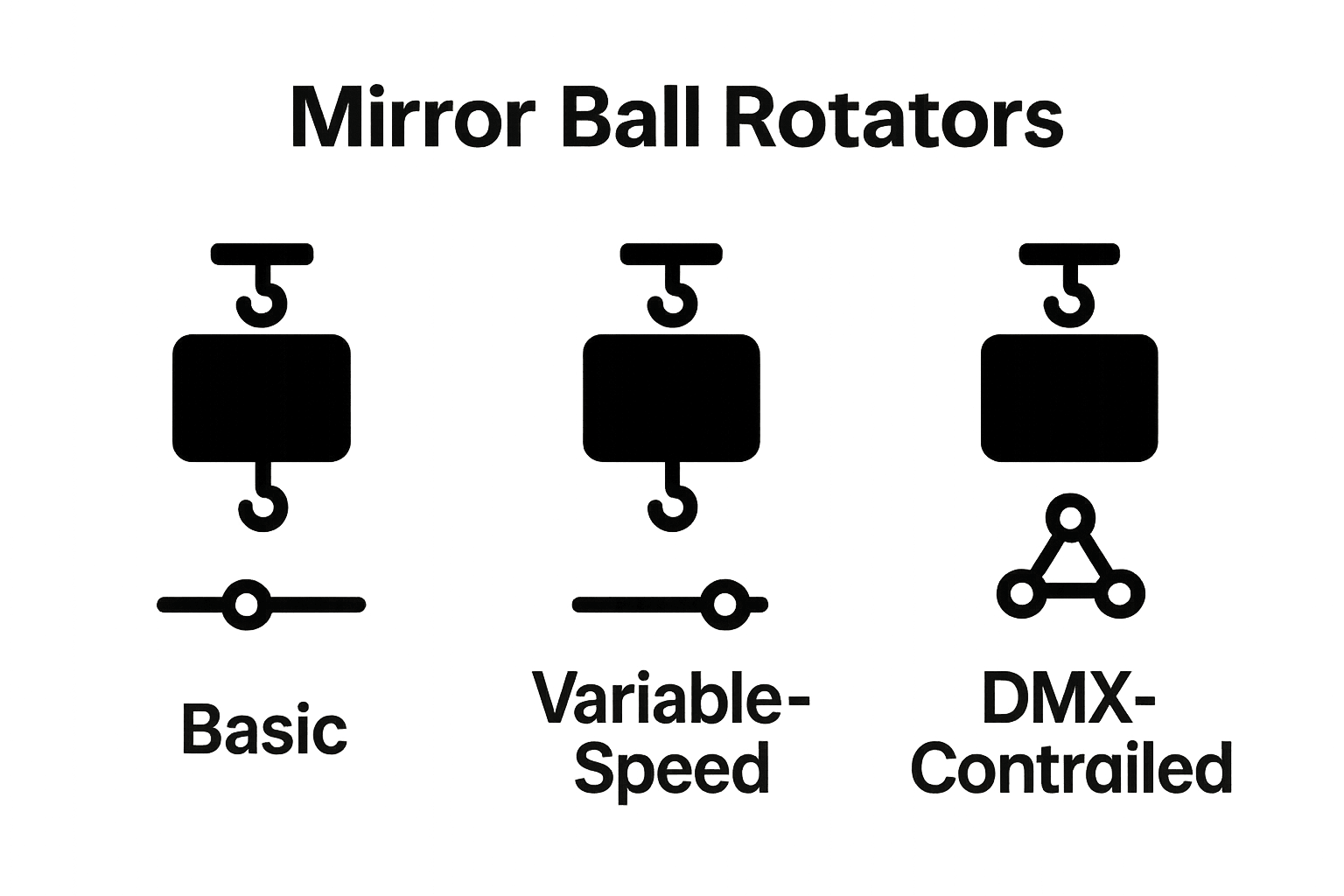 This technological integration allows for sophisticated programmed lighting sequences, transforming mirror ball rotators from simple mechanical devices into sophisticated environmental design instruments.
Real-World Applications of Mirror Ball Rotators
Historical research from cultural institutions reveals that mirror ball rotators have transcended their original entertainment origins, finding applications across diverse professional environments that demand sophisticated visual design.
Entertainment and Performance Venues
In nightclubs, concerts, and theatrical productions, mirror ball rotators create immersive atmospheric experiences. Dance floors transform as rotating mirror balls disperse light in complex, mesmerizing patterns, generating dynamic visual energy that synchronizes with music and movement. Professional performance spaces leverage these devices to craft specific emotional landscapes, whether creating intimate, shimmering environments or high-intensity, electrifying moments.
Key Performance Applications:
- Synchronized lighting with musical rhythms
- Creating mood-specific visual atmospheres
- Enhancing stage and dance floor aesthetics
- Generating audience engagement through visual dynamics
Corporate and Professional Event Design
Beyond entertainment, mirror ball rotators have found significant utility in corporate event spaces, conference centers, and professional exhibitions. These devices provide sophisticated visual backdrops for product launches, networking events, and multimedia presentations. Explore our range of professional rotator motors to understand how these technologies can elevate professional event experiences.
Architectural and design professionals increasingly integrate mirror ball rotators as dynamic environmental design elements.
To help readers quickly compare the unique benefits and uses of mirror ball rotators across settings, the table below organizes key professional and entertainment applications described in the article.
| Venue or Setting | Purpose of Use | Example Effects |
|---|---|---|
| Nightclubs | Create high-energy dance floor experiences | Synchronized lighting, dynamic reflections |
| Wedding Venues | Generate romantic, shimmering atmosphere | Soft, rotating shimmer for ambiance |
| Concert Halls/Theater Productions | Enhance stage and audience engagement | Mood-specific atmospheres matching performances |
| Corporate Events/Conference Centers | Add sophisticated visual elements | Backdrops for launches, networking, presentations |
| Professional Exhibitions | Provide adaptable lighting for exhibitions | Transform spaces to match event themes |
| Architectural/Design Installations | Enable dynamic environmental transitions | Spaces move from formal to celebratory settings |
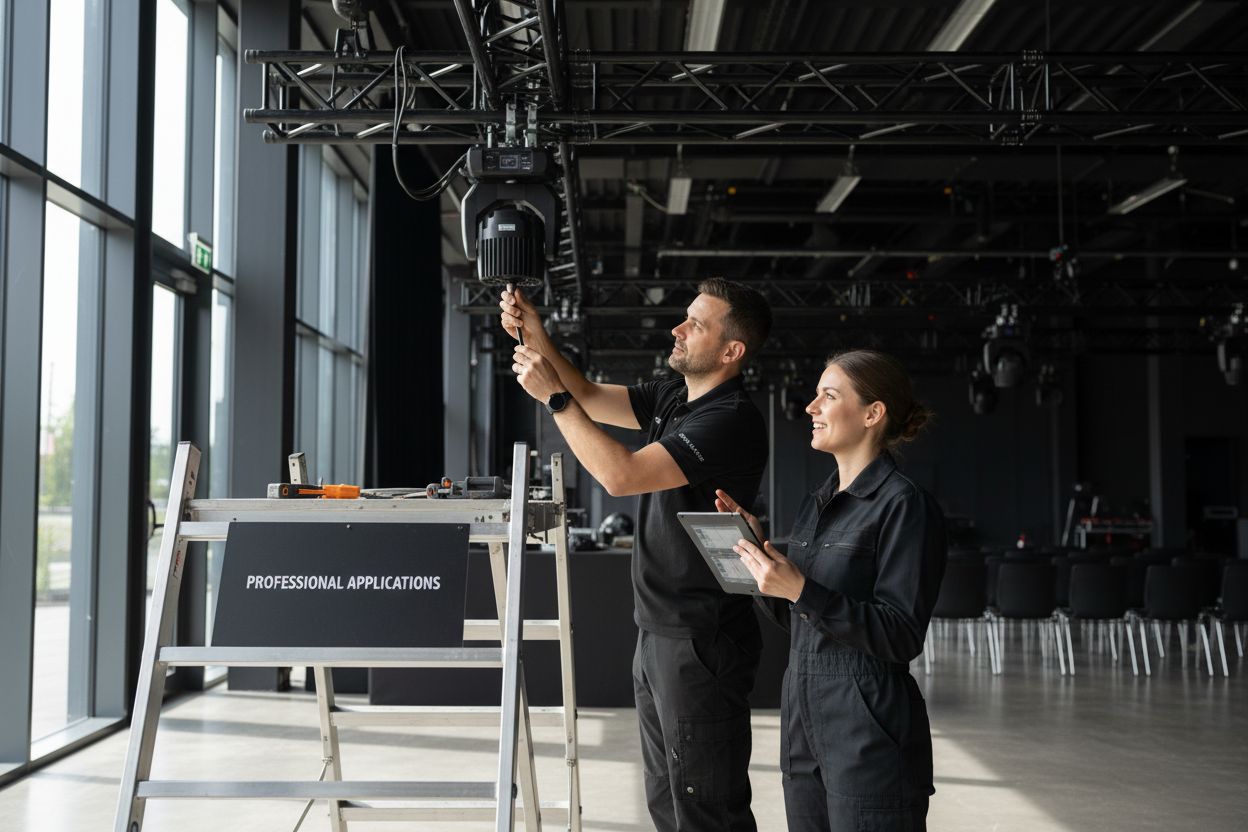 The ability to control light reflection and movement allows for creating adaptable spaces that can transition between formal presentations and celebratory environments, demonstrating the remarkable versatility of these precision mechanical instruments.
Transform Any Space with Professional Mirror Ball Rotators
Struggling to bring real energy and movement to your venue or event? You already know a stationary mirror ball cannot fill your space with the dynamic lighting effects guests remember. As explored in our article, true transformation starts with the right mirror ball rotators—delivering consistent, smooth motion and dramatic multi-directional light reflections. Professionals in nightclubs, weddings, corporate events, and even exhibitions see how a precise, silent rotator can make or break the mood.
Why settle for less when you can set a truly sensational scene? Now is the best moment to upgrade your event lighting with reliable, innovative mirror ball rotators—fully compatible with multiple mirror ball sizes. Visit https://mirror-balls.co.uk to find rotators, lights, and professional accessories designed for any space or project. Discover our extensive selection today and give your lighting design the movement and brilliance it deserves.
Frequently Asked Questions
What is a mirror ball rotator?
Mirror ball rotators are mechanical devices used to slowly rotate mirror balls, creating dynamic lighting displays in event spaces, enhancing the ambiance and visual experience.
How do mirror ball rotators work?
They operate using an electric motor that provides smooth, controlled rotation. As the mirror ball spins, it reflects light in multiple directions, creating a mesmerizing effect across various surfaces.
What are the key features to look for in a mirror ball rotator?
Important features include silent motor operation, adjustable rotation speeds, compatibility with various mirror ball sizes, and the ability to handle different load capacities and voltage systems.
Where are mirror ball rotators commonly used?
They are commonly used in nightclubs, wedding venues, concert halls, corporate events, and professional exhibitions to create immersive lighting experiences and enhance visual dynamics.
Recommended
- Rotating Mirror Ball Motors | Disco Ball Rotators | Mains & Battery
- Mirror Ball Rotatator Motor | Heavy Duty 10kg Load for medium disco balls
- Mirror Balls – Truss Twister Mirror Ball Rotator With Truss And Base Plate
- Mirror Ball Motor for 40 & 50cm Mirror Balls