Over 80 percent of decorative specialists surveyed in British design circles now recognize mirrored mosaics as more than just eye-catching accents. These reflective art pieces are changing how spaces look and feel, creating illusions of depth and amplifying natural light. Many still hold mistaken beliefs about their complexity or purpose. Here you will uncover the true character of mirrored mosaics, clear up common myths, and discover what makes them unique in both traditional and modern settings.
Table of Contents
- Mirrored Mosaic Defined And Common Misconceptions
- Types Of Mirrored Mosaic: Styles And Use Cases
- Design, Construction, And Key Features Explained
- Practical Uses In Venues, Homes, And Events
- Installation Tips, Maintenance, And Safety Considerations
Key Takeaways
| Point | Details |
|---|---|
| Unique Aesthetic Qualities | Mirrored mosaics utilise reflective glass to create dynamic light interactions, significantly enhancing spatial perception and atmosphere. |
| Design Versatility | These mosaics can be customised in various styles, making them suitable for a range of environments from residential to commercial spaces. |
| Technical Precision Required | Successful installations depend on meticulous substrate preparation and appropriate adhesive selection to ensure durability and performance. |
| Maintenance Is Essential | Regular cleaning with non-abrasive solutions and periodic professional inspections are crucial to preserving the visual appeal and structural integrity of installations. |
Mirrored Mosaic Defined and Common Misconceptions
A mirrored mosaic represents a decorative art form where reflective glass or mirror pieces are strategically arranged to create visually compelling designs and surfaces. Unlike traditional mosaics composed of ceramic tiles or stone fragments, mirror-based compositions generate dynamic light interactions and spatial transformations. Historically fascinating mosaic practices reveal that such reflective arrangements were not merely aesthetic choices but carried profound cultural significance.
Contrary to popular misconceptions, mirrored mosaics are not simply decorative elements but sophisticated artistic interventions that manipulate perception and spatial dynamics. Many assume these designs are uniform and static, yet they possess remarkable complexity. The British Association for Modern Mosaic highlights that mirror tiles introduce nuanced reflective qualities which can dramatically alter environmental atmospheres, creating immersive experiences across venues and events.
The technical composition of mirrored mosaics involves precision placement of reflective fragments, typically using specialised adhesives and carefully planned geometric or freeform patterns. Professional designers must consider factors like light angle, surface texture, and overall structural integrity. Mirror tiles can range from small, intricate pieces to larger geometric segments, allowing incredible versatility in design approaches. Each configuration produces unique visual effects, transforming ordinary spaces into extraordinary environments.
To clarify the unique qualities of mirrored mosaics, here is a concise comparison with traditional mosaics:
| Aspect | Mirrored Mosaic | Traditional Mosaic |
|---|---|---|
| Material | Reflective glass or mirror tiles | Ceramic, stone, or glass |
| Visual Effect | Dynamic light play, illusions | Steady, colour-focused surfaces |
| Design Complexity | High due to reflections and angles | Focused on pattern and colour |
| Spatial Impact | Expands and transforms space | Adds texture and colour |
Pro Tip for Design Professionals: Always conduct preliminary light mapping before finalising a mirrored mosaic installation to understand exactly how reflections will interact with your specific venue’s architectural features and lighting conditions.
Types of Mirrored Mosaic: Styles and Use Cases
Mirrored mosaic styles represent a sophisticated spectrum of design possibilities, ranging from intricate geometric patterns to expansive, fluid artistic expressions. Architectural material innovations reveal that these reflective compositions can transform spaces through modular arrangements that fragment and recompose visual environments. The fundamental styles can be categorised into several distinctive approaches: geometric precision, organic flow, minimalist abstraction, and maximalist complexity.
Each mirrored mosaic style serves unique aesthetic and functional purposes across different venues. Geometric styles typically feature precise angular fragments arranged in structured grid patterns, ideal for contemporary corporate spaces, modern art galleries, and sleek hospitality environments. Organic styles incorporate more fluid, natural shapes that mimic natural forms like water ripples or leaf patterns, perfect for wellness centres, spa retreats, and creative studios. Minimalist designs emphasise clean lines and subtle reflective qualities, while maximalist approaches create bold, statement-making installations that demand visual attention.
Practical applications of mirrored mosaics span multiple sectors beyond pure aesthetics. Event designers utilise these techniques to create immersive environments in nightclubs, theatrical stages, and exhibition spaces. Interior architects incorporate them as feature walls, ceiling treatments, and sculptural elements that dynamically interact with surrounding light and architectural structures. The versatility of mirror tile placement enables professionals to manipulate spatial perception, creating illusions of expanded volume, enhanced brightness, and complex visual depth.
Pro Tip for Design Implementation: Always consider the specific light sources and ambient conditions of your space when selecting a mirrored mosaic style, as reflection angles and surrounding colours will significantly impact the final visual experience.
Design, Construction, and Key Features Explained
The construction of mirrored mosaics represents a sophisticated fusion of artistic vision and technical precision. Mosaic material techniques reveal that successful installations depend critically on selecting appropriate substrates and specialised adhesive systems. Professional designers must carefully consider surface compatibility, ensuring that the chosen base material can support the weight and reflective properties of mirror tiles while maintaining structural integrity across various environmental conditions.
The technical composition involves multiple critical steps and considerations. Mirror tile selection encompasses factors like size, thickness, edge treatment, and reflective coating quality. Professionals typically work with tiles ranging from 10mm to 50mm, choosing materials that balance visual impact with practical installation requirements. Substrate preparation is equally crucial, involving surface levelling, moisture resistance treatments, and precise alignment frameworks. Advanced installations might incorporate additional structural reinforcements to manage thermal expansion, vibration resistance, and long-term durability.
Customisation options for mirrored mosaics extend far beyond simple tile placement. Innovative surface adaptation techniques demonstrate remarkable flexibility, allowing designers to create installations on curved surfaces, irregular architectural elements, and complex geometric planes. Modern manufacturing processes enable custom cutting, unique colour treatments, and specialised finishes that transform mirror tiles from mere decorative elements into sophisticated architectural interventions. These techniques allow for unprecedented design freedom, enabling creators to develop truly bespoke visual experiences.
Pro Tip for Technical Precision: Always conduct a comprehensive substrate assessment and mock-up installation before finalising your mirrored mosaic design to anticipate potential structural challenges and ensure optimal reflective performance.
Practical Uses in Venues, Homes, and Events
Mirrored mosaics represent an extraordinarily versatile decorative technique that transcends traditional design boundaries. Innovative surface applications demonstrate remarkable potential across residential, commercial, and entertainment environments. These reflective compositions can dramatically transform spaces by manipulating light, creating visual depth, and generating immersive sensory experiences that engage viewers through sophisticated spatial interactions.
In commercial venues, mirrored mosaics serve multiple strategic functions. Nightclubs and entertainment spaces utilise these installations to create dynamic visual backdrops that amplify lighting effects and generate dramatic atmospheric shifts. Restaurants and high-end hospitality environments incorporate mirrored mosaics as statement architectural elements, using their reflective qualities to expand perceived space and introduce subtle, sophisticated visual complexity. Retail environments leverage these designs to highlight product displays, create intriguing visual narratives, and generate memorable customer experiences.
Residential applications offer equally compelling opportunities for creative expression. Home designers incorporate mirrored mosaics in feature walls, bathroom installations, kitchen splashbacks, and decorative panels that introduce luminosity and spatial expansion. The modular nature of these designs allows homeowners to create truly bespoke visual experiences, ranging from minimalist geometric arrangements to elaborate, intricate compositions that reflect personal aesthetic sensibilities. Performance venues, theatrical spaces, and exhibition environments similarly exploit these installations to manipulate audience perception, create immersive stage designs, and generate visually stunning environmental transformations.
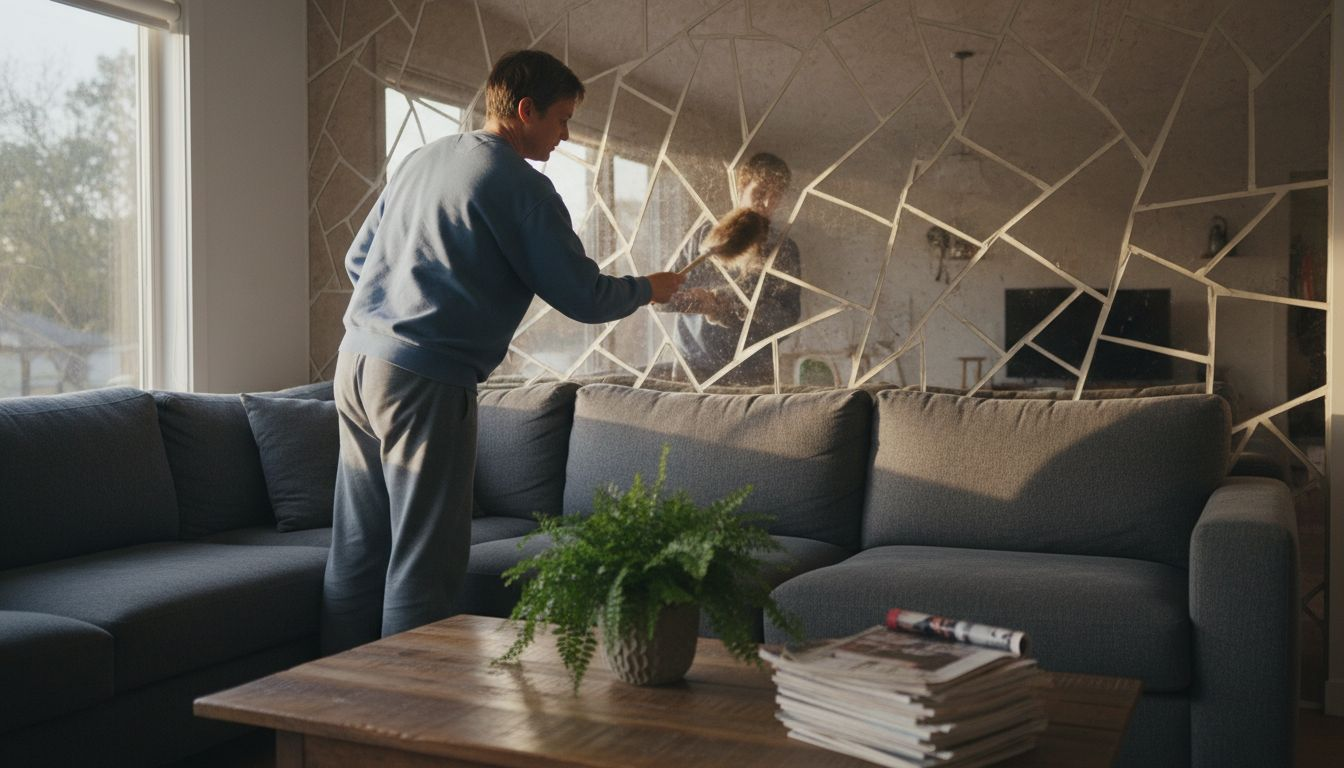
Pro Tip for Design Integration: Always consider the primary light sources and surrounding colour palette when implementing mirrored mosaic designs, as these factors will significantly influence the overall visual impact and atmospheric quality of your chosen installation.
Installation Tips, Maintenance, and Safety Considerations
Successful mirrored mosaic installations demand meticulous planning and expert technical execution. Professional mosaic material techniques emphasise the critical importance of selecting appropriate substrates and adhesive systems that can support the unique structural requirements of reflective tiles. Professional installers must carefully evaluate surface conditions, ensuring complete flatness, adequate structural integrity, and precise alignment to prevent future degradation or visual inconsistencies.
The installation process encompasses several crucial technical considerations. Substrate preparation involves multiple intricate steps, including surface levelling, moisture barrier application, and thermal expansion management. Adhesive selection requires specialised knowledge, with professionals choosing products specifically designed for mirror tile applications that provide robust bonding, flexibility, and long-term durability. Safety protocols are paramount, necessitating protective equipment like cut-resistant gloves, safety glasses, and dust masks during cutting and mounting processes. Electrical safety becomes particularly critical when installing reflective surfaces near lighting systems or in moisture-prone environments like bathrooms and kitchens.
Maintenance represents an ongoing commitment to preserving the aesthetic and functional qualities of mirrored mosaics. Regular cleaning requires gentle, non-abrasive techniques using specialised glass cleaning solutions that prevent surface scratching or chemical damage. Professionals recommend avoiding harsh chemical cleaners, direct mechanical abrasion, and extreme temperature variations that could compromise the tile’s reflective coating. Periodic professional inspections help identify potential issues like adhesive degradation, edge lifting, or microscopic surface damage that might compromise the installation’s structural integrity and visual appeal.
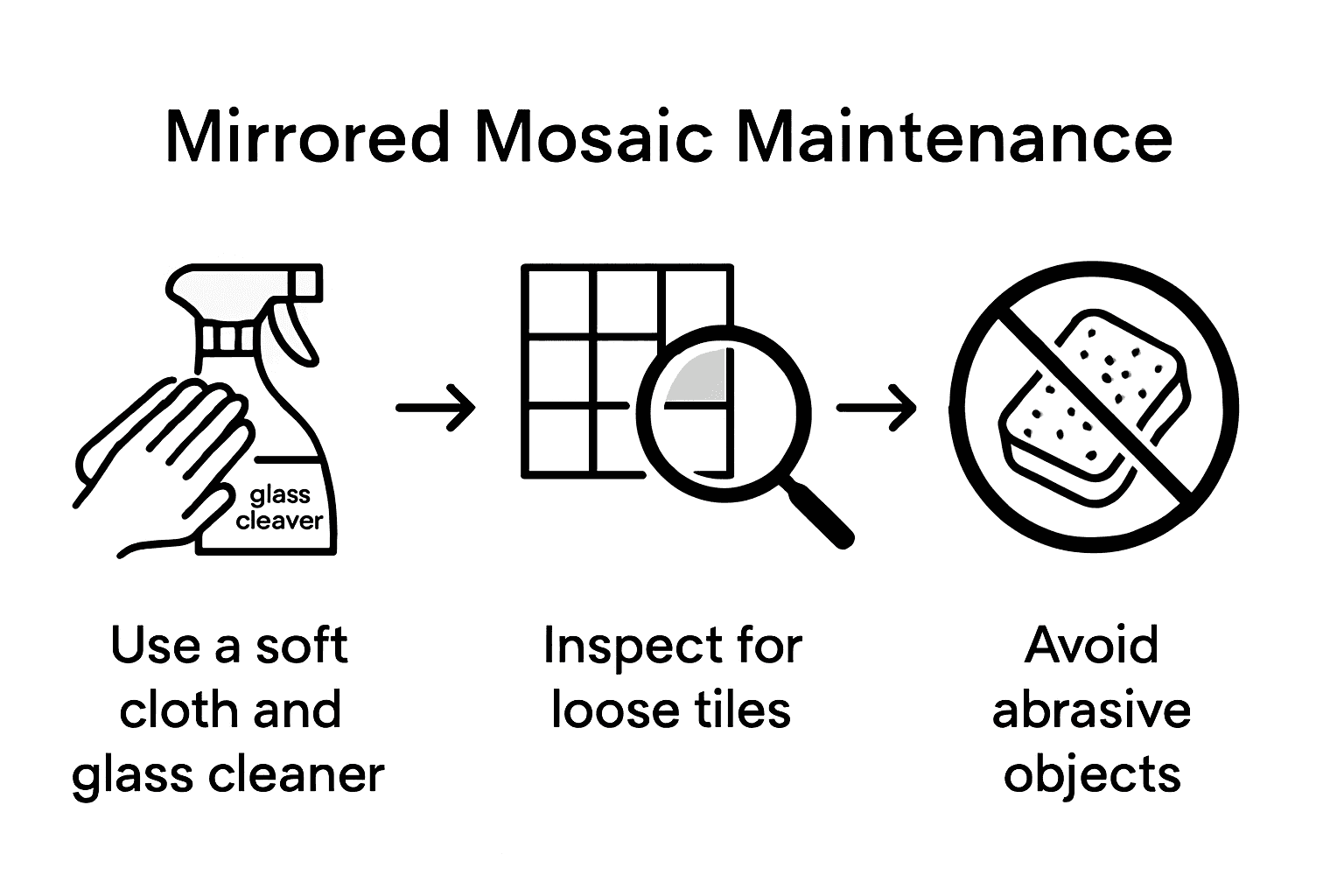
Here is a summary of the maintenance priorities and safety measures for mirrored mosaic installations:
| Consideration | Description | Importance |
|---|---|---|
| Substrate Integrity | Ensure stable, even surfaces | Prevents tile slippage or cracking |
| Cleaning Methods | Use non-abrasive glass solutions | Preserves reflectivity and finish |
| Adhesive Selection | Specialised, mirror-safe products | Maintains long-term durability |
| Protective Gear | Gloves, goggles, dust masks required | Prevents injury during installation |
Pro Tip for Long-Term Preservation: Develop a routine maintenance schedule that includes gentle cleaning, careful inspection, and immediate addressing of any minor damage to ensure your mirrored mosaic maintains its stunning visual impact and structural integrity over time.
Elevate Your Space with Reflective Decor Solutions
Discover how mirrored mosaics transform venues by playing with light and space to create unforgettable atmospheres. If you are seeking to complement these effects with dynamic, radiant installations, explore the extensive range of professional and decorative mirror balls available at Mirror Balls. These high-quality disco balls cater to commercial venues and personal events alike, perfectly enhancing ambient environments with their dazzling reflective qualities.
Bring your event or venue design to life now with bespoke mirror ball options that harmonise flawlessly with mirrored mosaic features. Visit Mirror Balls for top-tier products, expert guidance, and innovative decorative accessories that turn any space into a captivating visual experience. Let your project shine with reflective elegance today.
Frequently Asked Questions
What are mirrored mosaics used for?
Mirrored mosaics are employed in various settings, including commercial spaces like nightclubs, restaurants, and theatres, as well as residential areas for feature walls and decorative panels. They enhance visual depth and create immersive experiences through dynamic light interaction.
How do mirrored mosaics differ from traditional mosaics?
Unlike traditional mosaics that predominantly use ceramic or stone, mirrored mosaics utilise reflective glass or mirror tiles. This not only allows for dynamic light play but also expands spatial perceptions, offering a more complex aesthetic experience.
What factors should be considered when installing mirrored mosaics?
Key factors include substrate integrity, adhesive selection, and ambient light conditions. It’s essential to ensure the base is level and appropriate adhesive is used to guarantee durability and optimal reflective performance.
How do I maintain mirrored mosaics to keep them looking new?
Regular maintenance involves cleaning with gentle, non-abrasive glass cleaning solutions to avoid scratching. It’s also advised to conduct periodic inspections for any potential damage and address any issues promptly to preserve their aesthetic and structural integrity.
Recommended
- What Is a Mirrored Surface? Complete Guide for Events – Mirror Balls
- Role of Mirrors in Décor – Impact on Spaces and Atmosphere – Mirror Balls
- What Is Coloured Mirror Glass? Complete Overview – Mirror Balls
- 7 Examples of Mirror Ball Effects for Stunning Events – Mirror Balls
- 7 Elegant Champagne Tower Alternatives for Events – Champagne Tower Hire