Most british event coordinators agree that mirror balls instantly transform plain venues into vibrant showpieces, yet choosing the right rotator can be surprisingly complex. With over 80 percent of professional lighting installers reporting that rotator selection impacts event ambiance and reliability, getting it right has never been more crucial. Whether you manage intimate halls or busy nightclubs, understanding the unique benefits of each rotator type empowers you to create striking visual moments and keep every british event running seamlessly.
Table of Contents
- 1. Basic Manual Rotators for Simple Installations
- 2. Electric Rotators for Consistent Movement
- 3. Heavy-Duty Rotators for Large Mirror Balls
- 4. Sound-Activated Rotators for Dynamic Effects
- 5. Remote-Controlled Rotators for Easy Operation
- 6. Variable Speed Rotators for Custom Ambience
- 7. Outdoor-Approved Rotators for All-Weather Setups
Quick Summary
| Key Message | Explanation |
|---|---|
| 1. Manual rotators suit simple setups | Ideal for smaller venues, they eliminate electrical reliance and are cost-effective for basic mirror ball dynamics. |
| 2. Electric rotators provide consistency | These advanced devices create smooth, programmable movements, perfect for dynamic presentations in professional settings. |
| 3. Heavy-duty rotators handle large weights | Designed for heavy mirror balls, they ensure stability and compliance with safety regulations for substantial installations. |
| 4. Sound-activated rotators enhance experience | They synchronise mirror ball movement with music, creating engaging visual effects that respond to audio input. |
| 5. Outdoor-approved rotators withstand elements | Built for outdoor use, these devices resist weather conditions, providing reliable performance in various environmental challenges. |
1. Basic Manual Rotators for Simple Installations
Manual rotators represent the most straightforward approach to creating dynamic mirror ball movement for basic event setups. These fundamental devices allow venue managers to physically rotate mirror balls without complex motorised mechanisms, providing a cost effective solution for simple lighting configurations.
Understanding manual rotator functionality requires recognising their mechanical simplicity. These rotators typically feature a basic hand-cranked or pull-cord mechanism that enables gradual, controlled rotation of the mirror ball. When implementing workplace equipment regulations, event professionals must ensure these manual devices meet safety standards and operational requirements.
For smaller venues like community halls, private party spaces, or intimate performance areas, manual rotators offer several strategic advantages. They provide precise control over rotation speed, eliminate electrical dependencies, and reduce potential technical failures associated with electronic systems. This makes them particularly suitable for environments with limited technical infrastructure or budget constraints.
Practical implementation involves selecting a rotator compatible with your mirror ball’s weight and size. Most manual rotators work best with smaller mirror balls under 30 centimetres in diameter, offering smooth rotation through direct physical interaction. Venue managers should inspect the rotator mechanism regularly to maintain optimal performance and prevent unexpected interruptions during events.
Pro tip: Always test your manual rotator thoroughly before an event to understand its specific rotation characteristics and ensure smooth, consistent movement.
2. Electric Rotators for Consistent Movement
Electric rotators represent a sophisticated solution for creating smooth and reliable mirror ball movement in professional event environments. These advanced devices provide precise and consistent rotation through motorised mechanisms that eliminate manual intervention and ensure predictable lighting effects.
The core advantage of electric rotators lies in their ability to maintain uniform movement standards across different performance spaces. Unlike manual alternatives, electric rotators enable venue managers to programme specific rotation speeds, directions, and patterns with exceptional accuracy. This technological approach allows for more complex and dynamic visual presentations that can transform an ordinary space into an engaging atmospheric environment.
Professional electric rotators typically operate on low voltage electrical systems, making them safe for extended use in various settings including nightclubs, theatres, wedding venues, and corporate event spaces. These devices come with adjustable speed controls ranging from slow, elegant rotations to rapid movements that can synchronise with music or lighting design.
When selecting an electric rotator, event professionals should consider factors such as mirror ball weight, rotation diameter, and electrical compatibility. Most high quality electric rotators can support mirror balls between 20 and 50 centimetres, providing flexibility for different installation requirements. The precision engineering behind these devices ensures minimal noise and vibration during operation.
Pro tip: Always test your electric rotator’s compatibility with your specific mirror ball and venue electrical system before critical events to prevent unexpected technical interruptions.
3. Heavy-Duty Rotators for Large Mirror Balls
Heavy-duty rotators represent the pinnacle of mirror ball movement technology for professional event spaces requiring substantial lighting installations. These robust mechanical systems are engineered to support and smoothly rotate exceptionally large mirror balls weighing up to 50 kilograms with remarkable precision and stability.
Professional venues such as concert halls, large nightclubs, and expansive event spaces demand rotators capable of managing significant weight while maintaining consistent performance. Compliance with lifting equipment regulations becomes critical when handling substantial mirror ball configurations, ensuring operator safety and equipment reliability.
The technical specifications of heavy-duty rotators typically include reinforced mounting mechanisms, high torque electric motors, and specialised load bearing components. These rotators can accommodate mirror balls ranging from 40 to 80 centimetres in diameter, providing venue managers with exceptional flexibility for creating immersive lighting environments.
Key considerations when selecting heavy-duty rotators include load capacity, rotation speed range, noise levels, and electrical compatibility. Professional models often feature adjustable rotation speeds from extremely slow theatrical movements to rapid disco style spinning, allowing precise control over visual dynamics.
Pro tip: Always verify the total weight of your mirror ball and installation setup before selecting a heavy-duty rotator to ensure optimal performance and safety.
4. Sound-Activated Rotators for Dynamic Effects
Sound-activated rotators represent a cutting edge technology that transforms mirror ball movement into an immersive audiovisual experience. These intelligent devices synchronise mirror ball rotation dynamically with ambient music or sound frequencies, creating mesmerising lighting effects that respond directly to audio input.
The technical mechanism behind sound-activated rotators involves sophisticated audio sensing technology that interprets noise emission regulations while providing responsive movement. Integrated microphones analyse sound wave patterns in real time, translating musical beats, volume shifts, and frequency ranges into precise rotational movements for mirror balls.
Professional venues such as nightclubs, music festivals, and performance spaces utilise these rotators to create stunning visual dynamics. The rotators can be programmed with multiple sensitivity settings allowing fine tuned responses ranging from subtle movements during soft music to dramatic spinning during high energy tracks.
Designers and event coordinators appreciate the versatility of sound-activated rotators. Modern versions offer programmable modes including beat matching, frequency specific rotation, and custom sound response profiles that can be tailored to specific musical genres or event atmospheres.
Pro tip: Test your sound-activated rotator with different music styles beforehand to understand its unique response characteristics and optimise its performance.
5. Remote-Controlled Rotators for Easy Operation
Remote-controlled rotators represent a sophisticated technological solution for managing mirror ball movement with unprecedented precision and convenience. These intelligent devices enable event professionals to manipulate mirror ball dynamics seamlessly from a distance using handheld controllers or smartphone applications.
The advanced engineering behind remote operational equipment standards ensures that these rotators provide both flexibility and safety. Integrated wireless technologies allow users to adjust rotation speed, direction, and synchronisation patterns without physically approaching the mirror ball installation.
Professional venues including theatres, nightclubs, and large event spaces benefit significantly from remote-controlled rotators. Operators can make instantaneous adjustments to lighting effects, responding dynamically to changing musical rhythms or performance requirements without interrupting the overall visual experience.
Modern remote-controlled rotators typically feature programmable memory settings, allowing users to store and recall specific rotation patterns. This functionality enables event designers to create complex and repeatable lighting sequences that can be activated with a single button press.
Pro tip: Ensure your remote-controlled rotator has sufficient battery backup and keep spare batteries readily accessible to prevent unexpected operational interruptions during critical events.
6. Variable Speed Rotators for Custom Ambience
Variable speed rotators represent the pinnacle of precision and artistic control for mirror ball lighting installations. These sophisticated devices enable event professionals to create nuanced visual experiences by dynamically adjusting rotation speeds to match specific atmospheric requirements.
Understanding the technical complexity of rotational speed measurement techniques reveals the intricate engineering behind these advanced rotators. The mechanisms incorporate microprocessor controlled motors that can transition smoothly between extremely slow contemplative movements and rapid energetic spinning sequences.
Professional venues such as theatres, nightclubs, and corporate event spaces benefit immensely from the flexibility offered by variable speed rotators. Event designers can programme intricate rotation profiles that synchronise perfectly with musical rhythms, theatrical lighting cues, or specific ambient mood requirements.
The operational range of variable speed rotators typically spans from near stationary positioning to multiple complete rotations per second. This extensive range allows for creating subtle shimmer effects during soft musical passages or generating intense strobe like reflections during high energy performance moments.
Pro tip: Always conduct thorough testing of your variable speed rotator across its entire speed spectrum to understand its unique movement characteristics and potential visual effects.
7. Outdoor-Approved Rotators for All-Weather Setups
Outdoor-approved rotators represent a specialised category of mirror ball equipment designed to withstand challenging environmental conditions while maintaining exceptional performance. These robust devices are engineered to operate reliably in diverse exterior settings including festival grounds, outdoor venues, and seasonal event spaces.
The critical engineering behind these rotators involves implementing comprehensive mobile work equipment standards that guarantee safety and durability. Outdoor-approved rotators incorporate sealed electrical components, corrosion resistant materials, and weatherproof housing to protect against rain, humidity, temperature fluctuations, and environmental debris.
Professional event managers require rotators capable of functioning seamlessly across varied meteorological conditions. These specialised devices typically feature enhanced IP rating classifications indicating their resistance to water ingress, dust protection, and mechanical durability. Most outdoor rotators can operate effectively between temperature ranges of negative 10 to positive 40 degrees Celsius.
Key design considerations for outdoor rotators include robust mounting mechanisms, UV resistant materials, and electrical systems that can handle slight moisture exposure without compromising performance. Advanced models incorporate automatic shutdown features to prevent potential electrical damage during extreme weather conditions.
Pro tip: Always conduct periodic maintenance checks on outdoor rotators to verify their weather sealing and electrical integrity remains uncompromised.
Below is a detailed table summarising the types of mirror ball rotators discussed throughout the article, highlighting their features, applications, and benefits.
| Rotator Type | Features | Best Usage Scenarios |
|---|---|---|
| Basic Manual Rotators | Manual operation via hand-crank or pull-cord mechanisms. Safe and simple design. | Intimate venues with limited technical infrastructure. |
| Electric Rotators | Motorised operation with programmable speed and pattern settings. Low electricity usage. | Professional events requiring consistent dynamic lighting. |
| Heavy-Duty Rotators | High-torque motors supporting large, heavy-duty mirror balls with strong structures. | Large-scale venues such as concert halls and big nightclubs. |
| Sound-Activated Rotators | Audio-responsive movement synchronising with music, offering dynamic lighting effects. | Music-oriented events and club settings. |
| Remote-Controlled Rotators | Wireless remote functionality for managing speed and movement patterns. | Versatile events requiring frequent adjustment convenience. |
| Variable Speed Rotators | Microprocessor-controlled motors offer precise speed adjustments. | Venues aiming for specific lighting effects by speed control. |
| Outdoor-Approved Rotators | Weather-resistant with sealed electrical components and durable design. | Open-air venues and seasonal outdoor events. |
Discover the Perfect Rotator for Your Mirror Ball Experience
Choosing the right rotator is crucial to transforming your venue’s ambience with captivating mirror ball movement. Whether you need the simplicity of a manual rotator or the advanced control offered by sound-activated or remote-controlled systems, addressing specific challenges like weight capacity, speed variability, and outdoor durability will elevate your event’s atmosphere.
Mirror-balls.co.uk specialises in supplying high-quality mirror balls and accessories tailored for every setting—from intimate parties to large-scale professional venues. Explore our range to find rotator-compatible mirror balls and accessories that meet your precise specifications.
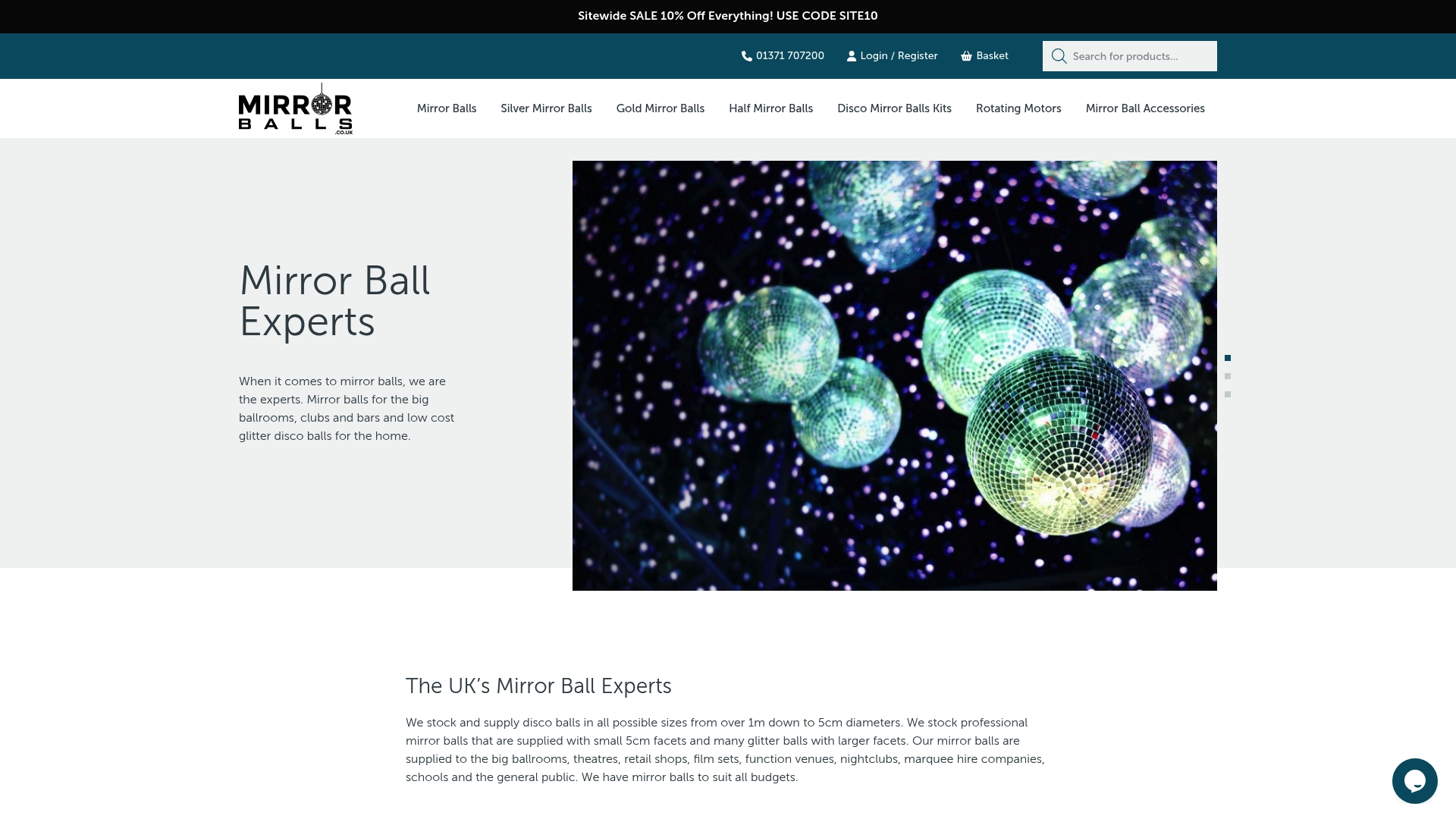
Start crafting unforgettable visual effects today by visiting Mirror-balls.co.uk. Let our expert selection guide you to the ideal combination of mirror balls and rotators to captivate your audience. Do not wait to make your lighting ambience truly stand out.
Frequently Asked Questions
What type of rotator is best for small venues?
Manual rotators are ideal for smaller venues, providing precise control over rotation without the need for electricity. To optimise your setup, select a manual rotator compatible with mirror balls under 30 centimetres in diameter.
How does an electric rotator enhance mirror ball performance?
Electric rotators offer consistent and programmable movements for mirror balls, reducing reliance on manual operation. To achieve a dynamic lighting effect, consider using an electric rotator to support mirror balls measuring between 20 and 50 centimetres in diameter.
What should I look for when selecting a heavy-duty rotator?
When choosing a heavy-duty rotator, ensure it can support mirror balls weighing up to 50 kilograms. Start by confirming the load capacity and rotational speed options, allowing for both slow and fast movements based on your lighting needs.
How do sound-activated rotators work?
Sound-activated rotators synchronise mirror ball movement with ambient music, creating engaging visual effects. To maximise their potential, test the rotator with various music types to fine-tune its sensitivity settings and achieve optimal performance.
Can remote-controlled rotators help during live events?
Yes, remote-controlled rotators allow instant adjustments to mirror ball movements from a distance, enhancing performance quality. For seamless operation during events, ensure the controller is fully charged and familiarise yourself with its features prior to the event.
What maintenance is required for outdoor-approved rotators?
Outdoor-approved rotators need regular maintenance to verify their weather sealing and electrical integrity. Conduct inspections periodically, especially before outdoor events, to ensure the rotator can withstand environmental conditions without failure.
Recommended
- What Are Mirror Ball Rotators and How They Work – Mirror Balls
- What Is a Rotator? Essential Kit for Mirror Balls – Mirror Balls
- Types of Rotators Explained: Choosing for Mirror Balls – Mirror Balls
- What Is a Light Rotator and Its Role in Events – Mirror Balls
- 7 Music Micro-Trend Examples Every Industry Exec Should Know – Blog – Music24.com
- 7 Weird Art Movements Every Collector Should Know – The Mansion Press