Struggling to make your dancefloor stand out in a crowded marketplace? For British event planners and nightclub owners, delivering unforgettable themed events means more than just great music or décor. Lighting design is the secret ingredient that transforms ordinary venues into immersive atmospheres, blending technical innovation with artistic flair. Discover how mirror balls and accessories, supported by performance lighting design principles, can elevate visual impact and shape crowd energy for a truly remarkable guest experience.
Table of Contents
- Defining Lighting Design In Event Spaces
- Types Of Lighting Design For Nightclubs
- Core Principles And How Lighting Design Works
- Key Lighting Fixtures And Technologies Explained
- Practical Lighting Design For Dancefloors
- Avoiding Safety Risks And Common Pitfalls
Key Takeaways
| Point | Details |
|---|---|
| Comprehensive Venue Assessment | Conduct thorough venue walk-throughs to identify architectural nuances and potential lighting challenges before finalising designs. |
| Strategic Use of Lighting Types | Employ a combination of ambient, task, and feature lighting to create unique atmospheres that engage audiences effectively. |
| Technological Integration | Implement advanced lighting technologies like DMX protocols and programmable LEDs to enhance creative possibilities and responsiveness. |
| Prioritising Safety | Establish a detailed safety checklist covering electrical loads, cable management, and emergency procedures to mitigate risks during events. |
Defining Lighting Design in Event Spaces
Lighting design represents a sophisticated artistic and technical discipline that transforms event environments through strategic illumination. Performance lighting design blends practical, technical, and aesthetic considerations to create immersive visual experiences that shape audience perception and emotional engagement.
At its core, lighting design goes beyond simple illumination. Professional designers strategically manipulate light intensity, colour, direction, and quality to craft narratives, highlight architectural elements, and generate specific atmospheric moods. Whether orchestrating a corporate conference, wedding reception, or music festival, lighting designers use technical equipment and creative vision to guide visual attention and create memorable sensory experiences.
The discipline requires a complex understanding of multiple interconnected elements. Designers must consider technical aspects like fixture selection, colour temperature, beam angles, and dimming capabilities, while simultaneously addressing artistic objectives such as emotional storytelling and spatial transformation. Professional lighting practitioners blend sophisticated technical knowledge with creative intuition to design lighting solutions that seamlessly enhance event environments.
Pro tip: When planning event lighting, always conduct a comprehensive venue walk-through to understand architectural nuances and potential lighting challenges before finalising your design strategy.
Types of Lighting Design for Nightclubs
Nightclub lighting design is a complex art form that strategically employs multiple lighting techniques to create immersive, dynamic environments. Lighting configurations in nightclubs combine ambient, task, and feature lighting to establish unique spatial identities and generate captivating atmospheric experiences.
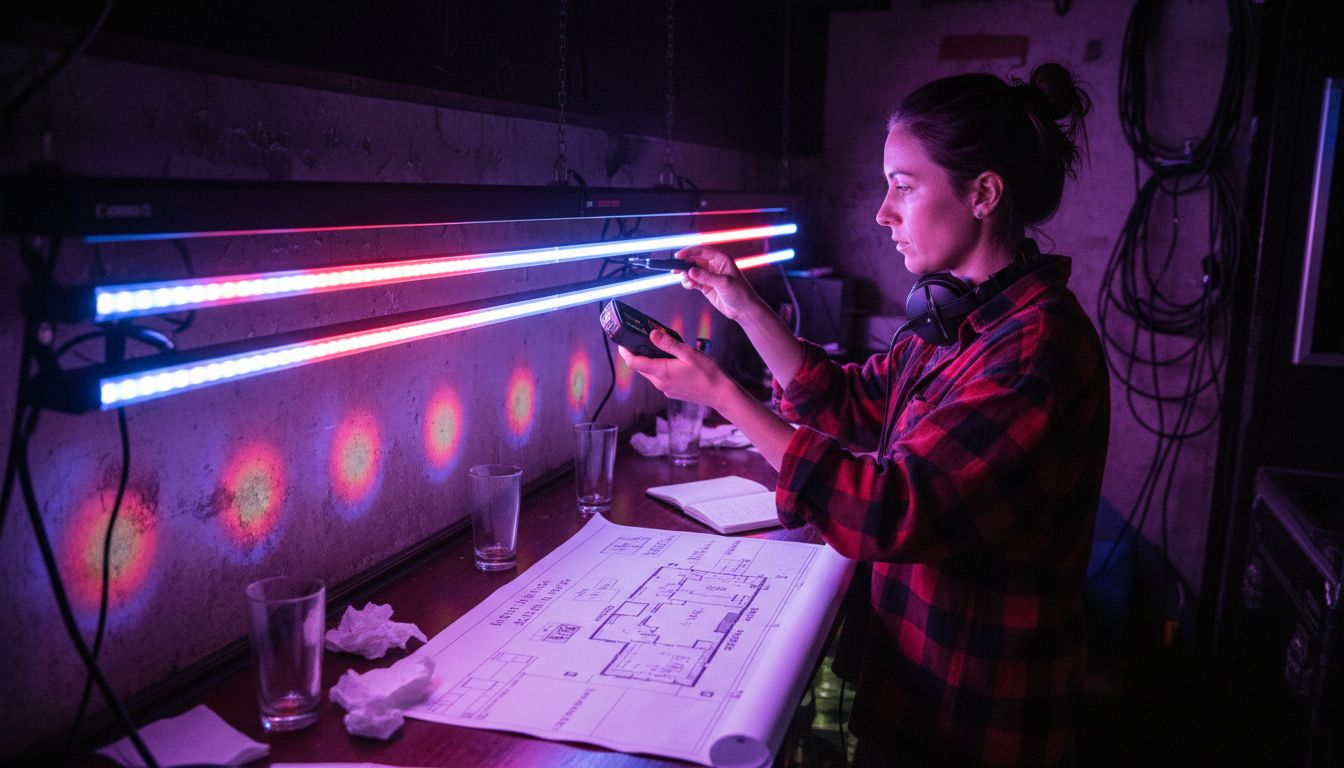
Three primary lighting design categories dominate modern nightclub environments. Ambient lighting establishes the foundational mood, typically using soft, diffused illumination that creates overall atmospheric depth. Task lighting provides practical illumination for specific areas like bars, seating zones, and walkways, ensuring functional visibility while maintaining aesthetic coherence. Feature lighting represents the most dramatic category, incorporating dynamic colour-changing LED fixtures, specialised spotlights, and architectural accent lighting that transforms spatial perceptions and generates visual excitement.
Here is a summary comparing primary lighting types used in nightclub environments:
| Lighting Type | Purpose | Typical Fixtures | Design Impact |
|---|---|---|---|
| Ambient Lighting | Sets overall spatial mood | Recessed, LED panels | Creates foundational atmosphere |
| Task Lighting | Provides functional area illumination | Spotlights, track lights | Ensures visibility and coherence |
| Feature Lighting | Adds drama and visual excitement | Moving heads, strobes | Highlights features, draws focus |
Advanced nightclub designers employ sophisticated lighting strategies that transcend traditional illumination approaches. Intelligent lighting systems with programmable colour palettes, rhythmic synchronisation with music, and interactive visual effects enable venues to create immersive sensory experiences. These technologies allow lighting designers to craft dynamic environments that respond in real-time to musical genres, crowd energy, and specific event requirements, turning lighting into an active, performative element rather than a passive background component.
Pro tip: Invest in LED fixtures with programmable colour-mixing capabilities to create versatile lighting designs that can rapidly adapt to different music styles and audience moods.
Core Principles and How Lighting Design Works
Lighting design is a sophisticated discipline that combines scientific precision with artistic creativity to manipulate visual environments. Core lighting design principles focus on achieving a delicate balance between functional illumination and aesthetic expression, transforming spaces through strategic light application.
The fundamental technical elements of lighting design involve understanding key parameters that define light’s interaction with physical spaces. Luminance measures the perceived brightness of a surface, determining how intensely light reflects and appears to the human eye. Illuminance quantifies the actual light intensity falling on a surface, crucial for ensuring appropriate visibility and task performance. Designers also carefully consider colour temperature, which ranges from warm amber tones to cool bluish hues, enabling precise emotional and atmospheric manipulation through light.
Professional lighting designers employ a holistic approach that transcends mere technical implementation. They analyse architectural characteristics, consider human psychological responses, and integrate energy-efficient technologies to create immersive experiences. Advanced design processes involve computer modelling, light mapping, and sophisticated simulation techniques that allow designers to predict and refine lighting outcomes before physical installation. This systematic methodology ensures that lighting solutions not only meet functional requirements but also generate desired emotional and aesthetic responses.
Pro tip: Always conduct comprehensive light measurements and mock-ups before final installation to ensure your lighting design achieves the intended visual and emotional impact.
Key Lighting Fixtures and Technologies Explained
The landscape of lighting technologies continues to evolve, driven by innovative design principles and energy-efficient solutions. Lighting technologies in the UK encompass a sophisticated array of fixtures and control systems that transform event spaces through intelligent illumination strategies.
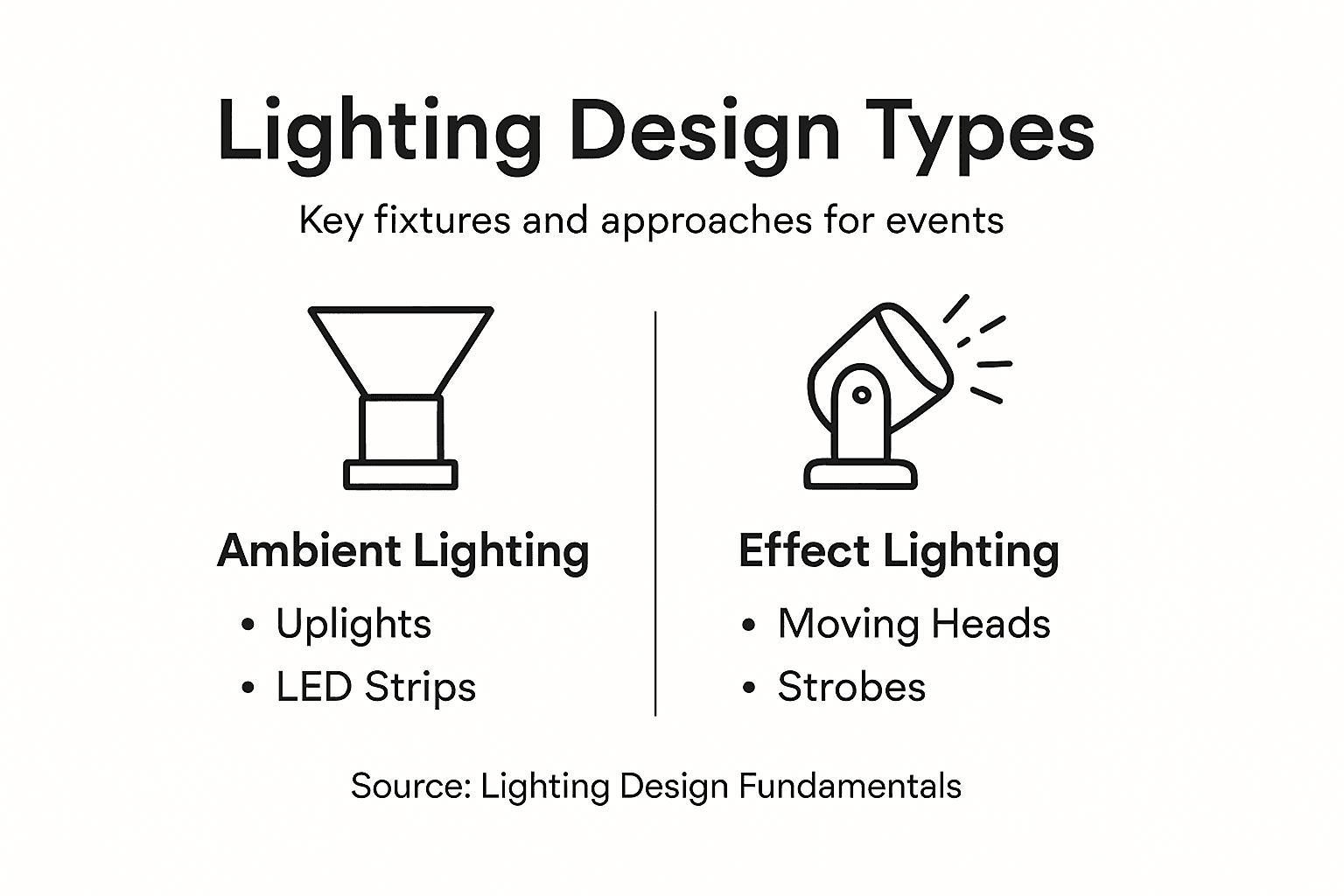
Modern lighting design relies on several key fixture types that offer unprecedented versatility and performance. LED panels provide uniform, programmable illumination with exceptional energy efficiency. Moving head fixtures enable dynamic, precise light movement, allowing designers to create dramatic visual transitions. Strobe lights generate high-impact, rhythmic effects perfect for dance environments, while accent lighting highlights specific architectural or decorative elements. Each fixture type represents a unique tool in the lighting designer’s creative arsenal, capable of generating specific atmospheric moods and visual experiences.
The technological backbone of contemporary lighting design involves advanced control systems that enable unprecedented precision and creativity. DMX (Digital Multiplex) protocols allow intricate programming of multiple fixtures simultaneously, creating complex, synchronised lighting sequences. Colour rendering index (CRI) technologies ensure accurate colour representation, while smart automation systems enable real-time adjustments based on musical rhythms, crowd energy, or pre-programmed visual narratives. These technologies transform lighting from a passive environmental element into an active, responsive performance medium.
Pro tip: Invest in multi-functional LED fixtures with high CRI ratings and DMX compatibility to maximise your lighting design’s flexibility and creative potential.
Practical Lighting Design for Dancefloors
Dance lighting techniques represent a complex choreography of technical skill and creative expression, transforming dancefloors into dynamic, immersive environments. Professional lighting designers orchestrate multiple illumination strategies to enhance movement, energy, and emotional resonance within performance spaces.
The strategic deployment of lighting involves four fundamental positioning techniques. High-side lighting creates dramatic shadows and sculpts dancers’ physical forms, adding depth and dimensionality to movement. Low-side lighting generates intriguing silhouettes and unexpected visual perspectives. Front lighting ensures performer visibility, while backlighting generates ethereal halos and separates performers from background environments. These layered approaches allow designers to craft nuanced visual narratives that respond dynamically to musical rhythms and choreographic expressions.
To assist in understanding dancefloor lighting practice, here is a comparison of key positioning techniques:
| Technique | Visual Effect | Typical Application | Design Challenge |
|---|---|---|---|
| High-side | Sculpts physical form | Drama for performers | Avoiding harsh shadows |
| Low-side | Produces silhouette and contrast | Artistic effects | Managing glare on audience |
| Front | Ensures clear visibility | Main performance area | Preventing flat appearances |
| Backlighting | Creates halo, separates from scene | Depth for choreography | Avoiding blinding the viewer |
Advanced dancefloor lighting design transcends simple illumination, becoming an interactive performance element. Intelligent lighting systems with programmable colour palettes, rhythmic synchronisation capabilities, and real-time responsiveness enable designers to create immersive experiences. Moving head fixtures, strobe effects, and LED colour washes can transform atmospheric moods instantaneously, turning lighting into a responsive, kinetic art form that communicates emotion and energy.
Pro tip: Invest in lighting fixtures with rapid colour-changing and programmable DMX capabilities to create seamless, dynamic visual transitions that complement dance performances.
Avoiding Safety Risks and Common Pitfalls
Event lighting safety practices demand meticulous planning and comprehensive risk management to protect performers, staff, and audience members. Professional lighting designers must navigate a complex landscape of electrical safety, structural integrity, and regulatory compliance to ensure safe and successful event experiences.
The most critical safety considerations involve multiple interconnected factors. Electrical load management requires precise calculations to prevent circuit overloads and potential electrical failures. Proper cable management eliminates trip hazards, ensuring clean, safe installation pathways. Fixture mounting demands rigorous structural assessment, with regular inspections to verify secure attachment points and prevent potential equipment collapse. Designers must also consider thermal management, ensuring lighting equipment does not generate excessive heat that could compromise venue safety.
Comprehensive safety protocols extend beyond initial installation, requiring ongoing vigilance and professional training. This includes developing detailed emergency procedures, conducting regular equipment testing, and maintaining comprehensive documentation of all lighting infrastructure. Professional lighting designers must stay current with evolving UK safety standards, collaborate effectively with local safety advisory groups, and implement robust contingency plans that address potential equipment failures, power interruptions, or unexpected environmental challenges.
Pro tip: Develop a comprehensive safety checklist that includes electrical load calculations, mounting integrity checks, and emergency shutdown procedures before every event installation.
Elevate Your Event Atmosphere with Expert Lighting and Mirror Balls
Creating the perfect event environment demands more than just functional lighting it requires thoughtful design that captures mood, emotion and energy as detailed in our article on lighting design and its impact on events. Achieving immersive dancefloor experiences and dynamic nightclub atmospheres means blending ambient, task and feature lighting with striking visual elements that engage your audience on every level. Mirror balls are an iconic feature that add movement, sparkle and a captivating focal point to any lighting scheme. They enhance emotional storytelling and spatial transformation by reflecting light dynamically across your venue.
Discover a wide range of professional and decorative mirror balls at Mirror Balls. Whether you need premium large-scale disco balls for your nightclub or smaller glitter balls for intimate gatherings, we offer versatile products designed to complement technical lighting setups and creative intentions alike. Don’t miss the chance to leverage quality mirror balls as a vital part of your lighting design strategy. Enhance your event’s visual impact today with expert products and accessories available on our website. Take the next step towards a truly immersive and memorable event experience now by exploring our collection and consulting with our experts.
Frequently Asked Questions
What is the role of lighting design in events?
Lighting design in events involves strategically manipulating light to enhance the emotional atmosphere and visual experience, transforming spaces and guiding audience attention.
What are the key types of lighting used in event settings?
Key types of lighting in events include ambient lighting for overall mood, task lighting for specific functional areas, and feature lighting for dramatic emphasis and visual excitement.
How does lighting design affect audience engagement during events?
Effective lighting design shapes audience perception and emotional involvement by creating immersive experiences that enhance storytelling and respond to the energy of the environment.
What are important considerations when planning event lighting?
Important considerations include understanding the venue’s architectural features, selecting appropriate fixtures, managing electrical loads, and ensuring safety protocols are in place for installation.
Recommended
- What Is Light Diffusion? Transforming Event Ambience – Mirror Balls
- Effect Lights: Transforming UK Discos and Events – Mirror Balls
- Role of Reflective Surfaces in Lighting Design – Mirror Balls
- Lighting Accessories Explained: Essential Guide for Events – Mirror Balls
- Why Invest in Design – Unlocking Business Growth – Lind Creative