Over 60 percent of British events in 2025 feature mirror balls as a central design element, a dramatic shift from their classic disco reputation. This renewed fascination reflects how event professionals are pushing creativity, turning these reflective icons into vibrant tools for immersive atmospheres. From modern technology to eco-friendly materials, the new mirror ball era offers British designers and planners a world of sophisticated options that blend style, innovation, and responsibility.
Table of Contents
- Mirror Balls In 2025: Evolving Role And Appeal
- Emerging Styles And Technological Innovations
- Integrating Mirror Balls With Modern Lighting
- Sustainability And Eco-Friendly Materials In Design
- Safety Standards And Installation Requirements
- Cost Comparison And Sourcing For Uk Buyers
Key Takeaways
| Point | Details |
|---|---|
| Evolution of Mirror Balls | In 2025, mirror balls are transitioning from disco relics to dynamic design elements used in various professional events, incorporating advanced technologies for immersive experiences. |
| Technological Innovations | Modern mirror balls feature LED lighting and interactive capabilities, allowing for sophisticated light manipulation and customisation through smartphone applications. |
| Sustainability Focus | Environmental considerations are central to mirror ball production, with manufacturers using recycled materials and energy-efficient technologies to appeal to eco-conscious planners. |
| Safety Standards | Rigorous safety protocols are essential for mirror ball installations, ensuring compliance with health and safety regulations to protect performers and audiences during events. |
Mirror Balls in 2025: Evolving Role and Appeal
In 2025, mirror balls are experiencing a remarkable transformation, transcending their traditional disco-era associations and emerging as sophisticated design elements across multiple event landscapes. These reflective spheres are no longer confined to dance floors but are now strategic visual tools that create immersive atmospheric experiences for various professional settings.
Event designers are discovering innovative applications for mirror balls, reimagining them as versatile decorative pieces that can dramatically alter spatial perceptions. Creative mirror ball uses for events are expanding beyond nightclub environments into corporate events, art installations, theatrical productions, and even architectural design. Modern mirror balls now come in diverse sizes, materials, and finishes, allowing professionals to integrate them seamlessly into different aesthetic contexts.
The technological evolution of mirror balls is particularly exciting. Contemporary designs now incorporate LED lighting, programmable colour sequences, and smart synchronisation capabilities that enable precise light manipulation. These advanced features mean mirror balls can now function as dynamic lighting systems rather than static decorative elements. Their ability to create complex light patterns and instantaneous mood transformations makes them invaluable for event professionals seeking sophisticated visual experiences.
Moreover, sustainability considerations are driving mirror ball design in 2025. Manufacturers are increasingly using recycled materials, energy-efficient lighting technologies, and modular construction techniques that extend product lifecycle. These environmental considerations are making mirror balls more appealing to environmentally conscious event planners who want stylish yet responsible design solutions. Advantages of mirror balls for events now encompass not just aesthetic appeal, but also ecological responsibility.
Emerging Styles and Technological Innovations
The landscape of mirror ball design in 2025 is characterised by groundbreaking technological integration and aesthetic innovation. Contemporary mirror balls are transcending their traditional decorative role, emerging as sophisticated technological platforms that combine visual artistry with advanced functional capabilities.
Designers are experimenting with hybrid materials that dramatically expand mirror ball potential. Lightweight composite materials featuring nano-reflective surfaces enable unprecedented light manipulation techniques. Examples of mirror ball effects demonstrate how these advanced materials create multi-dimensional light experiences that can transform entire spaces instantaneously.
Interactive technologies are revolutionising mirror ball functionality. Smart mirror balls now incorporate motion sensors, wireless connectivity, and programmable light sequences that respond dynamically to environmental conditions. Event professionals can now control colour gradients, reflection intensity, and synchronisation patterns through smartphone applications, allowing unprecedented customisation for different event atmospheres.
The convergence of design aesthetics and technological innovation is particularly evident in modular mirror ball systems. These cutting-edge designs allow users to reconfigure mirror ball arrangements, creating scalable installation options that can adapt to various spatial requirements. Whether deployed in intimate corporate settings or large-scale entertainment venues, these technologically advanced mirror balls represent a quantum leap in event design capabilities, blending artistic expression with computational precision.
Integrating Mirror Balls With Modern Lighting
The integration of mirror balls with contemporary lighting systems represents a sophisticated technological convergence that is transforming event design landscapes. Modern lighting professionals are discovering nuanced techniques for blending traditional reflective elements with cutting-edge illumination technologies, creating immersive visual experiences that transcend conventional lighting approaches.
Advancements in LED technology have been particularly instrumental in this integration. LED mirror ball applications now enable precise colour manipulation, allowing designers to synchronise mirror ball reflections with broader lighting environments. These intelligent systems can dynamically adjust light intensity, colour temperature, and reflection patterns, giving event professionals unprecedented control over atmospheric design.
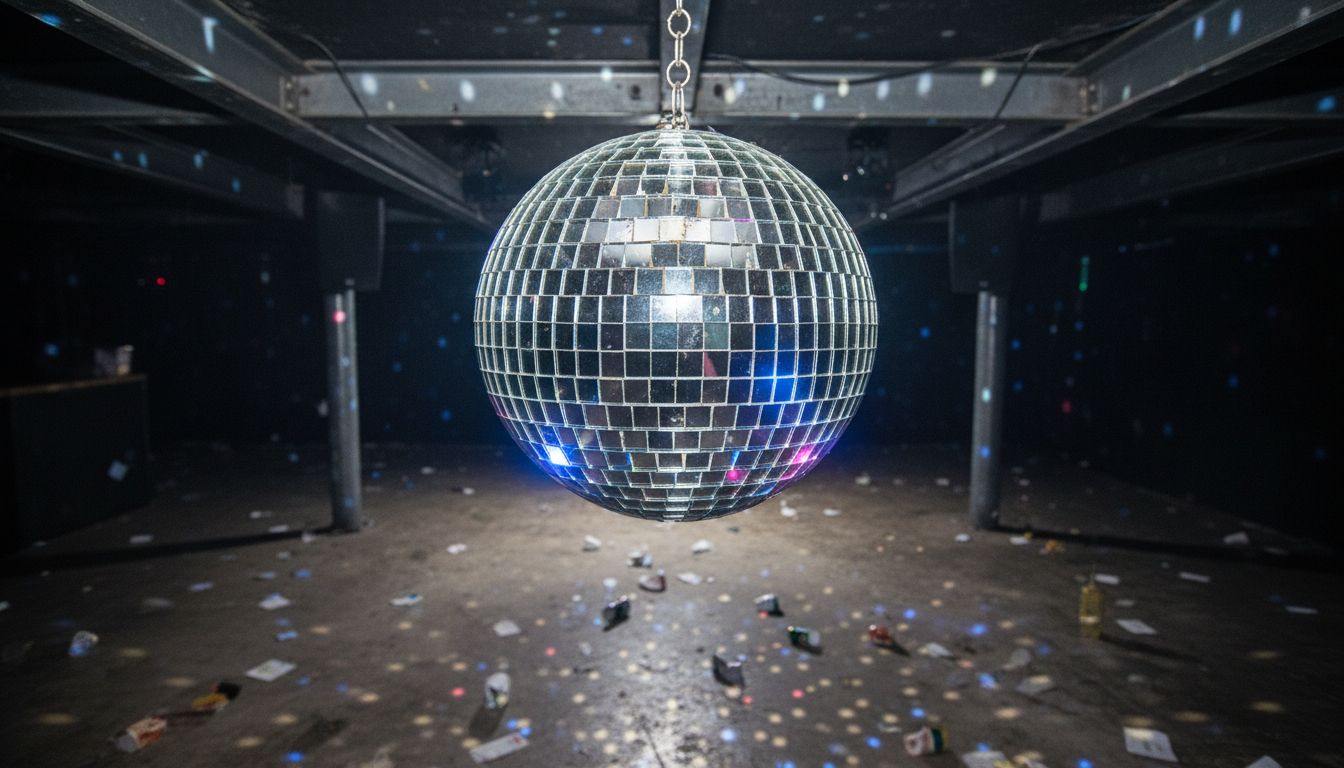
Professional lighting designers are developing complex layering techniques that incorporate mirror balls as integral components of comprehensive lighting strategies. By understanding how light diffusion techniques interact with different reflective surfaces, experts can create multidimensional lighting experiences that transform spaces instantaneously. These approaches move beyond simple decorative applications, positioning mirror balls as sophisticated spatial manipulation tools.
The technical sophistication of modern mirror ball integration extends to programmable control systems. Digital interfaces now allow real-time manipulation of mirror ball positioning, reflection angles, and synchronisation with other lighting elements. Event designers can now choreograph intricate light shows that seamlessly blend traditional disco ball aesthetics with contemporary digital lighting technologies, creating immersive sensory experiences that engage audiences in entirely new ways.
Sustainability and Eco-Friendly Materials in Design
The mirror ball industry is experiencing a profound transformation driven by sustainability imperatives, with manufacturers reimagining production processes and material selections to minimise environmental impact. This shift represents more than a trend – it’s a fundamental redesign of how reflective design elements are conceptualised, produced, and deployed across various event and architectural contexts.
Manufacturers are increasingly exploring biodegradable composite materials that offer similar reflective qualities to traditional mirror ball components while dramatically reducing carbon footprints. Examples of mirror ball effects now showcase designs created from recycled plastics, reclaimed metal fragments, and innovative bio-based polymers that maintain structural integrity while supporting circular economy principles.
Energy efficiency has become a critical consideration in mirror ball design. Advanced lighting technologies integrated into these reflective spheres now consume significantly less electricity, with LED systems and solar-powered charging mechanisms becoming standard features. These technological innovations allow event professionals to create spectacular visual experiences while simultaneously reducing overall energy consumption and environmental impact.
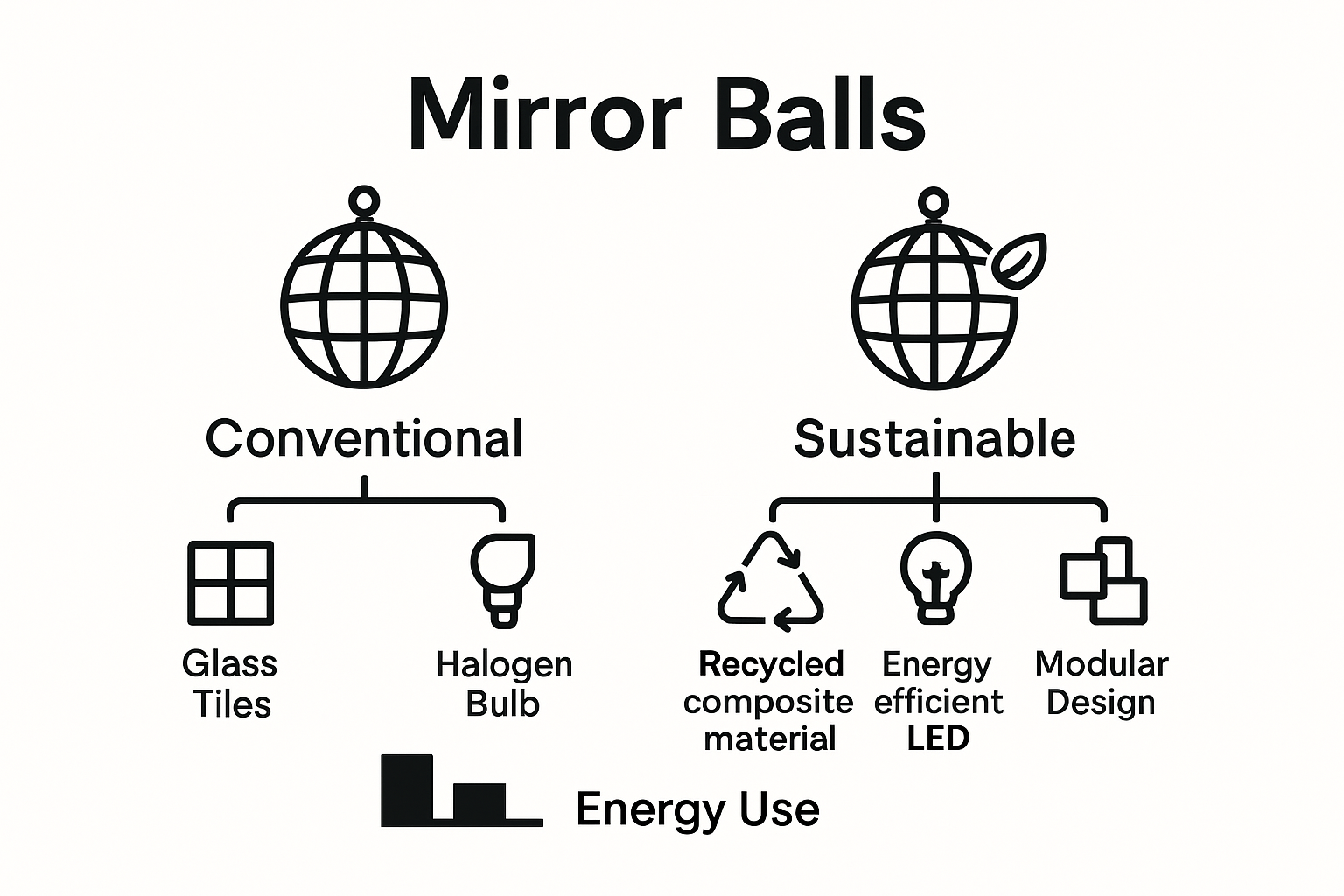
The future of sustainable mirror ball design extends beyond material selection and energy efficiency. Manufacturers are developing modular designs that allow for easy repair, component replacement, and eventual complete recycling. These approaches transform mirror balls from single-use decorative elements into long-term sustainable design solutions that align with increasingly stringent environmental regulations and corporate sustainability commitments.
Safety Standards and Installation Requirements
The evolution of mirror ball technologies has been accompanied by increasingly rigorous safety standards that prioritise performer, technician, and audience protection. Modern mirror ball design integrates comprehensive safety protocols that address potential risks associated with installation, structural integrity, and environmental performance across diverse event contexts.
Structural safety has become a paramount consideration in contemporary mirror ball engineering. Inflatable mirror ball alternatives represent a significant advancement in reducing potential injury risks, offering lightweight and shatter-resistant options that are particularly suitable for family-friendly and high-traffic event environments. These innovative designs eliminate traditional glass fragmentation concerns while maintaining sophisticated visual aesthetics.
Professional installation requires meticulous attention to multiple safety parameters. Event technicians must now consider load-bearing capacity, suspension mechanisms, vibration resistance, and precise weight distribution when mounting mirror balls. Certification programmes have emerged that provide comprehensive training in advanced installation techniques, ensuring that professionals understand complex rigging requirements, electrical safety protocols, and environmental stress management for mirror ball systems.
Regulatory frameworks are continuously evolving to address emerging technological complexities. Modern mirror ball installations must comply with stringent health and safety regulations, including electrical standards, fire resistance requirements, and structural load specifications. These comprehensive guidelines ensure that mirror ball technologies not only provide spectacular visual experiences but also maintain the highest levels of safety and reliability across various professional and entertainment settings.
Cost Comparison and Sourcing for UK Buyers
The mirror ball market in 2025 presents a complex pricing landscape that demands strategic navigation by event professionals and individual buyers. Pricing variations now reflect sophisticated technological capabilities, materials innovation, and the expanding range of potential applications across different event contexts.
Buyers can expect a significant price stratification based on technological sophistication. Entry-level mirror balls typically range from £50 to £250, offering basic reflective capabilities suitable for home entertainment and small venues. Mid-range professional options, featuring advanced mirror ball effects, cost between £300 and £1,000, incorporating programmable LED systems, smart connectivity, and more complex reflective technologies.
Technological complexity directly influences pricing structures. High-end mirror ball systems designed for large-scale professional events can range from £1,500 to £5,000, featuring cutting-edge materials, integrated digital control systems, and custom design capabilities. Factors affecting pricing include reflective surface quality, durability, energy efficiency, and advanced technological integration. Professional buyers should consider long-term value, focusing on systems that offer modular design, easy maintenance, and comprehensive warranty coverage.
Sourcing strategies have become increasingly sophisticated, with buyers recommended to evaluate multiple procurement channels. Online specialists, direct manufacturer relationships, and professional event supply networks offer diverse purchasing options. LED mirror ball technologies represent a particularly attractive investment, providing enhanced functionality and energy efficiency that can offset initial purchase costs through reduced operational expenses and improved performance capabilities.
Elevate Your UK Events with Cutting-Edge Mirror Ball Solutions
The article highlights the exciting evolution of mirror balls in 2025 and the challenges event professionals face in integrating advanced lighting, sustainability, and safety standards while captivating audiences. Whether you are seeking to create immersive atmospheres with smart LED technology or require eco-friendly, modular designs that comply with the latest safety protocols, finding reliable, high-quality products is essential for success.
Explore our premium mirror balls collection designed to meet diverse event needs and budgets.
Transform your events today by choosing from our wide range of disco balls—from professional-grade units ideal for large venues to stylish options perfect for intimate settings. Benefit from expert advice and seamless online purchasing at mirror-balls.co.uk. Act now to secure the perfect mirror ball that blends innovative technology with striking visual appeal and create unforgettable event experiences in the UK.
Frequently Asked Questions
What are the creative uses of mirror balls in modern events?
In 2025, mirror balls are being used as versatile design elements in corporate events, art installations, theatrical productions, and architectural designs, moving beyond their traditional role in nightclubs.
How have technological advancements affected mirror ball design?
Technological innovations have led to modern mirror balls incorporating LED lighting, programmable colour sequences, and smart synchronisation, transforming them into dynamic lighting systems that enhance event atmospheres.
What sustainability practices are being adopted in mirror ball production?
Manufacturers are increasingly using recycled materials, energy-efficient lighting technologies, and modular designs that promote sustainability, making modern mirror balls appealing to eco-conscious event planners.
What safety standards should be considered when installing a mirror ball?
When installing a mirror ball, considerations include structural integrity, weight distribution, load-bearing capacity, and compliance with health and safety regulations to ensure the safety of performers and audiences.
Recommended
- History of Mirror Balls: Complete Guide to Origins and Impact – Mirror Balls
- 7 Examples of Mirror Ball Effects for Stunning Events – Mirror Balls
- 7 Creative Mirror Ball Uses for Events and Venues – Mirror Balls
- 7 Key Advantages of Mirror Balls for Events and Decor – Mirror Balls
- 7 Key EdTech Trends in 2025 for Malaysian Innovators – Projector Display