Planning your next event and struggling to transform a plain venue into a space that truly stands out? Getting guests to feel excited and engaged can be a real challenge when the atmosphere falls flat or safety is overlooked. The right lighting doesn’t just change how a room looks it can shape emotions and even keep your guests safe while drawing attention to the areas that matter most.
This list will reveal how rotating lights can completely reshape your event experience, from boosting energy and interaction to guiding people safely through the venue. You are about to discover practical ways to use dynamic lighting solutions that make your events more memorable and visually compelling.
Table of Contents
- Transform Ordinary Spaces Into Dynamic Venues
- Enhance Atmosphere For Memorable Experiences
- Improve Guest Safety With Controlled Lighting
- Increase Audience Engagement And Interaction
- Accentuate Centrepieces And Featured Areas
- Adapt To Different Event Themes Easily
- Reduce Energy Consumption With Smart Choices
Quick Summary
| Key Message | Explanation |
|---|---|
| 1. Transform Spaces with Dynamic Lighting | Rotating lights create visual movement and excitement, turning ordinary venues into captivating experiences that engage audiences. |
| 2. Enhance Atmosphere for Emotional Engagement | Dynamic lighting stimulates emotional responses, fostering interaction and creating immersive environments for guests. |
| 3. Improve Safety with Strategic Illumination | Rotating lights eliminate shadowy areas and enhance navigation, significantly improving the safety of crowded spaces. |
| 4. Drive Audience Interaction with Visual Stimulation | Continuous movement and colour changes in lighting encourage social engagement, triggering active participation from guests. |
| 5. Choose Energy-Efficient Lighting Solutions | Rotating LED lights drastically reduce energy consumption while maintaining high visual impact, supporting sustainable event practices. |
1. Transform Ordinary Spaces into Dynamic Venues
Rotating lights offer event planners an extraordinary opportunity to metamorphose bland venues into electrifying spaces that captivate and energise audiences. By strategically deploying these dynamic lighting fixtures, you can instantly elevate the visual atmosphere from mundane to magnificent.
Event lighting serves as a powerful tool for spatial transformation. Dynamic lighting techniques sculpt environments through movement colour and shadow, turning ordinary rooms into immersive experiences that stimulate emotional engagement.
Key benefits of using rotating lights include:
- Creating visual movement and energy
- Generating dynamic colour patterns
- Transforming plain spaces into exciting environments
- Providing flexible mood manipulation
- Enhancing overall audience engagement
Professional event designers understand that lighting is more than illumination it is storytelling. By introducing rotating lights you can instantly change a venue’s perception shifting from corporate and serious to vibrant and exciting within moments.
Rotating lights do not just illuminate a space they sculpt experiences and emotions.
Practical Implementation Tips:
- Position rotating lights strategically around venue perimeters
- Use colour filters to match event themes
- Experiment with rotation speeds and patterns
- Integrate with existing venue lighting systems
Pro tip: Test your lighting configuration during rehearsal to ensure optimal visual impact and smooth transitions between different lighting moods.
2. Enhance Atmosphere for Memorable Experiences
Rotating lights are a masterful technique for transforming event atmospheres from ordinary to extraordinary. By introducing dynamic lighting, you can instantly elevate the emotional resonance and engagement of any gathering.
Event lighting design demonstrates that visual stimulation plays a crucial role in creating memorable experiences. The fluid movement and vibrant colour changes of rotating lights capture guests’ attention and generate powerful emotional responses.
Key atmosphere enhancement strategies include:
- Creating unexpected visual dynamics
- Generating emotional engagement
- Producing immersive sensory experiences
- Supporting event narrative and theme
- Stimulating audience interaction
Rotating lights work by continuously changing colours and patterns which subconsciously signal excitement and energy to event attendees. This subtle psychological manipulation helps transform passive observers into active participants.
Atmosphere is not just seen it is experienced through carefully choreographed visual storytelling.
When selecting rotating lights consider these implementation techniques:
- Match light colours to event themes
- Vary rotation speeds for different emotional effects
- Position lights to maximise visual coverage
- Integrate with background music rhythms
Pro tip: Conduct a lighting rehearsal to test different colour and movement combinations ensuring seamless atmospheric transitions during your event.
3. Improve Guest Safety with Controlled Lighting
Rotating lights serve a critical function beyond aesthetic appeal by significantly enhancing venue safety through intelligent illumination strategies. These dynamic lighting solutions provide continuous visual guidance that helps prevent accidents and ensure guest wellbeing.
Event lighting design demonstrates that strategic illumination can dramatically reduce potential safety risks in crowded spaces. Rotating lights offer unique advantages by creating consistent movement and brightness across different venue areas.
Key safety benefits include:
- Eliminating dark and shadowy areas
- Highlighting potential hazard zones
- Improving overall spatial awareness
- Creating intuitive navigation pathways
- Reducing risk of accidental collisions
The continuous motion of rotating lights prevents visual fatigue that can occur with static lighting. By dynamically shifting colours and angles these lights naturally draw guests’ attention to critical areas such as exits emergency pathways and potential obstacles.
Safety is not an afterthought it is a fundamental design consideration for responsible event management.
Implementation strategies for safety-focused lighting:
- Position lights near staircases and level changes
- Use contrasting colours to mark potential hazards
- Maintain consistent illumination across venue spaces
- Create clear visual pathways between different areas
Pro tip: Conduct a pre-event safety walkthrough using rotating lights to identify and mitigate potential visibility challenges in your venue.
4. Increase Audience Engagement and Interaction
Rotating lights are a powerful tool for transforming passive event attendance into active audience participation. By introducing dynamic visual stimulation these lighting systems can dramatically elevate the energy and interaction levels of any gathering.
Rotor lights enhance audience interaction by creating kinetic visual experiences that captivate and motivate guests. The continuous movement and colour transitions trigger psychological responses that encourage movement and social engagement.
Key engagement strategies include:
- Creating visual excitement and curiosity
- Stimulating physical movement and dancing
- Generating shared sensory experiences
- Breaking traditional event monotony
- Encouraging spontaneous social interactions
The human brain is naturally drawn to movement and changing visual patterns. Rotating lights leverage this psychological tendency by providing continuous stimulation that keeps audiences alert and emotionally connected to the event environment.
Engagement is not about forcing participation it is about creating irresistible sensory experiences.
Implementation techniques for maximising interaction:
- Synchronise lights with music rhythms
- Use colour transitions to signal event mood changes
- Position lights to create interactive zones
- Vary rotation speeds to maintain interest
Pro tip: Conduct a pre-event lighting rehearsal to test different rotation patterns that naturally encourage audience movement and participation.
5. Accentuate Centrepieces and Featured Areas
Rotating lights are a sophisticated technique for elevating specific areas and drawing immediate visual attention to key event elements. These dynamic lighting solutions transform ordinary displays into extraordinary focal points that captivate and guide guests’ perception.
Event lighting design demonstrates how strategic illumination can dramatically enhance the prominence of centrepieces and featured zones. By introducing movement colour and targeted beams rotating lights create visual hierarchies within event spaces.
Key highlighting strategies include:
- Creating visual dramatic emphasis
- Generating dynamic focal points
- Supporting thematic storytelling
- Directing audience visual attention
- Enhancing spatial visual depth
Rotating lights work by constantly shifting colours and angles which prevents visual fatigue and maintains guests’ interest. The continuous movement draws eyes naturally towards the most important areas of your event space.
Strategic lighting transforms spaces from ordinary to extraordinary through intentional visual choreography.
Implementation techniques for centrepiece accentuation:
- Use contrasting colour temperatures
- Vary rotation speeds for different effects
- Position lights to create dramatic shadows
- Align light movements with event narrative
Pro tip: Conduct a lighting rehearsal to test different angles and colour combinations that best highlight your event’s key visual elements.
6. Adapt to Different Event Themes Easily
Rotating lights represent the ultimate versatile lighting solution for event professionals seeking seamless thematic transformations. These dynamic fixtures offer unparalleled flexibility to shift moods and atmospheres with minimal technical intervention.
Event lighting design demonstrates how programmable rotating lights can instantaneously adapt to diverse event requirements. By manipulating colour palettes rotation speeds and beam patterns these lights become chameleon-like tools for visual storytelling.
Key adaptability features include:
- Creating instant mood transitions
- Supporting multiple event styles
- Enabling rapid thematic shifts
- Providing precise colour control
- Offering programmable movement patterns
Professional event designers understand that lighting is not just illumination but a dynamic language of visual communication. Rotating lights allow you to speak multiple aesthetic dialects within the same event.
Versatility is the hallmark of sophisticated event design.
Strategies for thematic lighting adaptation:
- Programme colour sequences in advance
- Match light movements to event narrative
- Use complementary colour theories
- Consider cultural colour symbolisms
Pro tip: Create a pre-programmed lighting palette with 3-4 distinct thematic configurations to enable rapid atmospheric transitions during your event.
7. Reduce Energy Consumption with Smart Choices
Rotating LED lights represent a groundbreaking solution for event professionals seeking to minimise energy expenditure without compromising visual impact. These intelligent lighting systems combine sustainability with spectacular performance.
Modern rotating stage lights demonstrate remarkable energy efficiency through advanced LED technologies that dramatically reduce power consumption. By selecting smart lighting solutions event organisers can significantly lower operational costs and environmental footprint.
Key energy-saving advantages include:
- Delivering significant power reduction
- Generating lower heat emissions
- Providing extended equipment lifespan
- Supporting sustainable event production
- Maintaining high visual performance
LED rotating lights consume up to 80% less electricity compared to traditional lighting fixtures. Their intelligent design allows for precise energy management without sacrificing the dynamic visual experiences that make events memorable.
Sustainable technology is not a compromise it is an opportunity for innovation.
Strategies for energy-efficient lighting:
- Select LED-based rotating fixtures
- Use programmable light intensity controls
- Implement motion-sensor activation
- Choose fixtures with high lumens-per-watt ratings
Pro tip: Conduct an energy audit of your lighting equipment and gradually replace older fixtures with energy-efficient LED rotating lights to minimise initial investment costs.
Below is a comprehensive table summarising the benefits, strategies, and implementation tips for utilising rotating lights in event design as discussed in the article.
| Aspect | Details | Practical Tips |
|---|---|---|
| Visual Transformation | Rotating lights convert plain venues into dynamic, captivating spaces. | Position lights around venue boundaries; use theme-matching colour filters. |
| Atmosphere Enhancement | Dynamic lighting stimulates emotional engagement and creates immersive environments. | Conduct lighting rehearsals to optimise transitions and effects. |
| Safety Improvement | Lights illuminate potential hazards and highlight navigation pathways. | Place lights near level changes and hazard-prone areas. |
| Audience Engagement | Visual stimulation encourages participation and interaction among guests. | Synchronise lighting with music to maintain energy and interest. |
| Focal Highlighting | Rotating lights draw attention to key event elements like centrepieces. | Use contrasting lighting and test configurations during rehearsals. |
| Thematic Adaptability | Lights adjust to various themes through programmable settings. | Pre-programme diverse lighting profiles to match different event segments. |
| Energy Efficiency | LED-based rotating lights provide high visual performance with lower power consumption. | Choose LED fixtures and incorporate energy-saving technologies like sensors. |
This table provides a detailed overview of how rotating lights contribute to event design, their advantages, and applicable actions for achieving optimum results.
Elevate Your Event Lighting Experience with Premium Mirror Balls
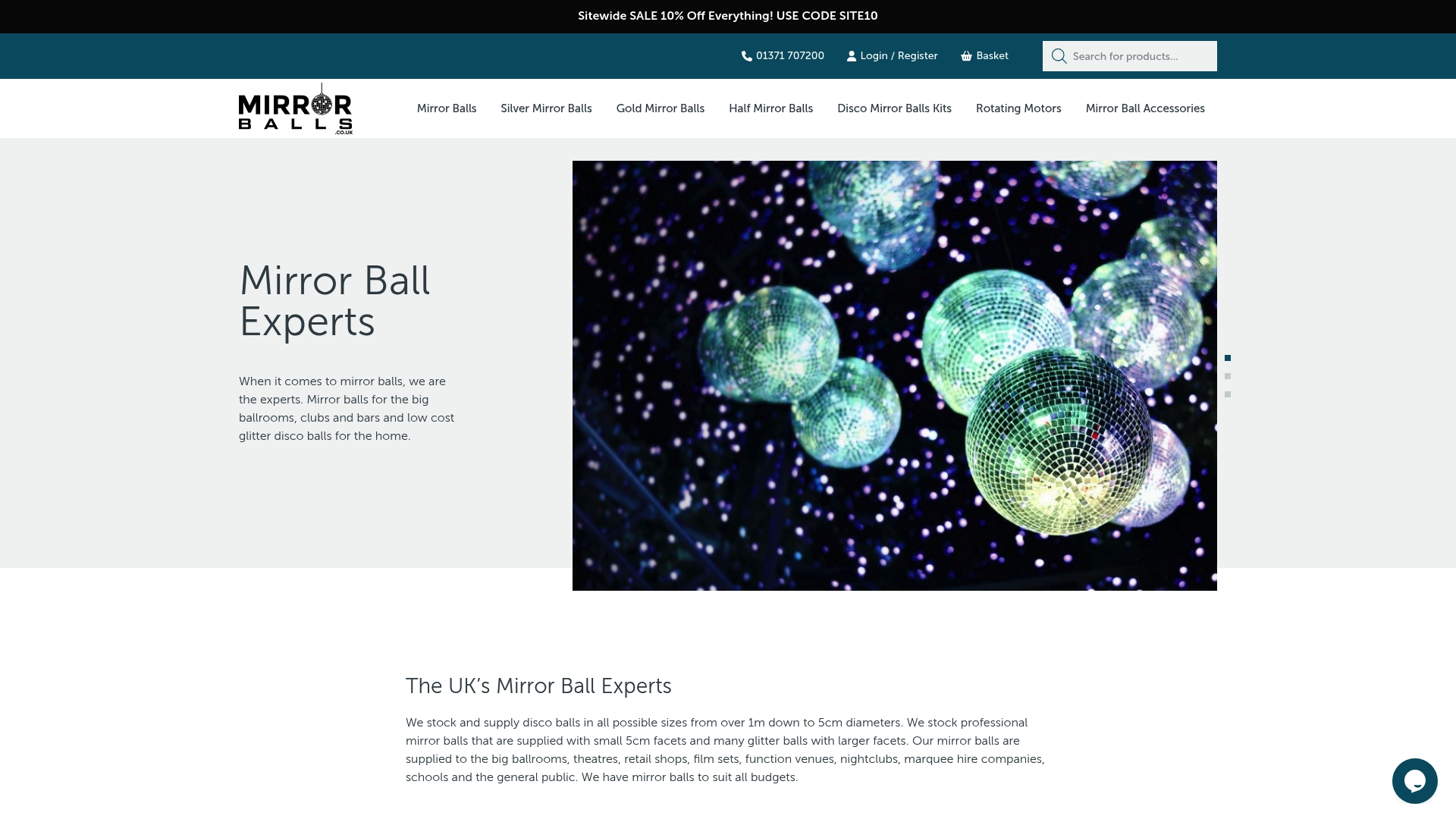
The article highlights the transformative power of rotating lights to energise venues, enhance atmospheres, and increase audience engagement. One key challenge event organisers face is creating dynamic visual effects that captivate guests while adapting seamlessly to diverse themes and maintaining safety. Mirror balls perfectly complement these goals by reflecting and multiplying light, adding immersive sparkle and movement to any event space. Their classic yet versatile design enhances the visual storytelling that rotating lights begin with, crafting unforgettable experiences.
At Mirror Balls, you will find a wide selection of high-quality disco balls suitable for settings ranging from intimate home parties to large professional venues. Whether you need small glitter balls to add subtle shimmer or large mirror balls to become a stunning focal point accentuated by rotating lights, our collection meets various scales and budgets. Explore our detailed product listings and accessories to discover how combining mirror balls with your rotating light setup creates powerful aesthetic and atmospheric effects.
Ready to transform your events with captivating light reflections and movement Create dazzling environments that your audience will remember by visiting Mirror Balls today. Browse our expertly curated products and take the first step toward energising your venue with unforgettable visual impact. Don’t wait to impress guests – let your lighting tell a story and bring your event themes to life.
Frequently Asked Questions
What are the benefits of using rotating lights at events?
Using rotating lights at events can create visual movement, enhance audience engagement, and transform ordinary spaces into exciting environments. Consider including rotating lights to elevate the overall atmosphere and emotional resonance of your event.
How can I effectively implement rotating lights for my event’s theme?
Effectively implement rotating lights by matching their colours and movements to your event’s theme. For example, programme different colour sequences and rotation patterns that resonate with the narrative you wish to convey, ensuring a cohesive experience.
What are some safety considerations when using rotating lights?
When using rotating lights, consider their placement to eliminate dark areas and highlight potential hazards. Position these lights near staircases and other critical zones to improve overall navigation and spatial awareness for your guests.
How can rotating lights increase audience interaction during events?
Rotating lights can enhance audience interaction by creating visually stimulating environments that encourage guests to move and engage. Sync lights with music rhythms or position them in interactive zones to maximise participation and energy levels among attendees.
What strategies can I use to reduce energy consumption with rotating lights?
To reduce energy consumption, opt for LED rotating lights that provide high visual performance with lower power usage. You can programme light intensity controls and consider using motion-sensor activation to limit energy expenditure during your event.
How can I ensure my lighting configuration achieves optimal visual impact?
To ensure your lighting configuration achieves optimal visual impact, conduct a lighting rehearsal ahead of your event. Test different colour and movement combinations to identify the most effective setups for creating the desired atmosphere.