Every successful venue owner in the United Kingdom knows that lighting decisions can be the difference between a packed dancefloor and an empty club. With today’s nightlife trends pushing for memorable moments and distinct atmospheres, relying on standard illumination simply is not enough. Innovative accent lighting offers more than decoration—it creates visual drama, highlights feature areas, and crucially, sets your venue apart in a crowded market. Discover how the strategic use of accent lighting can transform your space and shape the experiences of your guests.
Table of Contents
- Accent Lighting Defined And Common Misconceptions
- Popular Accent Lighting Types For Venues
- How Accent Lighting Shapes Nightclub Ambiance
- Implementing Accent Lighting For Visual Impact
- Risks, Costs And Common Mistakes To Avoid
Key Takeaways
| Point | Details |
|---|---|
| Accent Lighting Functions | Accent lighting creates focal points and enhances spatial perception, transforming environments into engaging experiences. |
| Combining Techniques | Successful venues often combine various lighting types for layered effects, enhancing the overall atmosphere and audience engagement. |
| Psychological Impact | Strategic colour and lighting transitions can manipulate emotional tones and energy levels, influencing patron experiences significantly. |
| Planning and Budgeting | Effective implementation of accent lighting requires meticulous planning and budget allocation to avoid common risks like overinvestment or inadequate flexibility. |
Accent lighting defined and common misconceptions
Accent lighting represents a sophisticated approach to spatial illumination, designed to draw attention to specific architectural elements, artworks, or areas within a venue. Unlike general ambient lighting, accent lighting creates visual drama by strategically highlighting unique features and establishing a distinct atmospheric hierarchy.
At its core, accent lighting operates through precise, directional illumination techniques that dramatically enhance spatial perception. The primary objectives include:
- Creating visual focal points
- Enhancing architectural details
- Manipulating perceived spatial depth
- Generating dramatic lighting contrasts
- Guiding audience attention
Common misconceptions about accent lighting often stem from oversimplifying its functional complexity. Many venue managers mistakenly view accent lighting as merely decorative, when in reality, it serves critical perceptual and emotional purposes in nightclub environments.
Accent lighting is not just about brightness, but about sculpting visual experiences through strategic illumination.
Unlike standard illumination methods, professional accent lighting leverages sophisticated techniques such as:
- Directional track spotlighting
- Carefully angled recessed luminaires
- Colour-shifting LED technologies
- Shadow manipulation techniques
Pro tip: Experiment with multiple accent lighting angles to create depth and intrigue in your venue’s visual landscape.
Popular accent lighting types for venues
In the dynamic world of UK nightclub design, accent lighting serves as a transformative tool for creating immersive environments. Innovative lighting techniques enable venue managers to craft unique atmospheric experiences that captivate and engage audiences through strategic illumination.
The most prevalent accent lighting types for nightclub and entertainment venues include:
- Spotlights: Precision-focused lights that highlight specific areas
- Uplighting: Architectural feature enhancement from ground level
- LED PAR lights: Versatile colour-changing illumination
- Track lighting: Flexible directional lighting solutions
- Moving head fixtures: Dynamic, programmable light sources
Each lighting type brings distinctive characteristics to venue design. Spotlights, for instance, create intense focal points by directing concentrated light onto performers, stages, or unique architectural elements. Uplighting transforms venue walls and structural features by casting dramatic colour gradients from floor level, instantly altering the spatial perception.
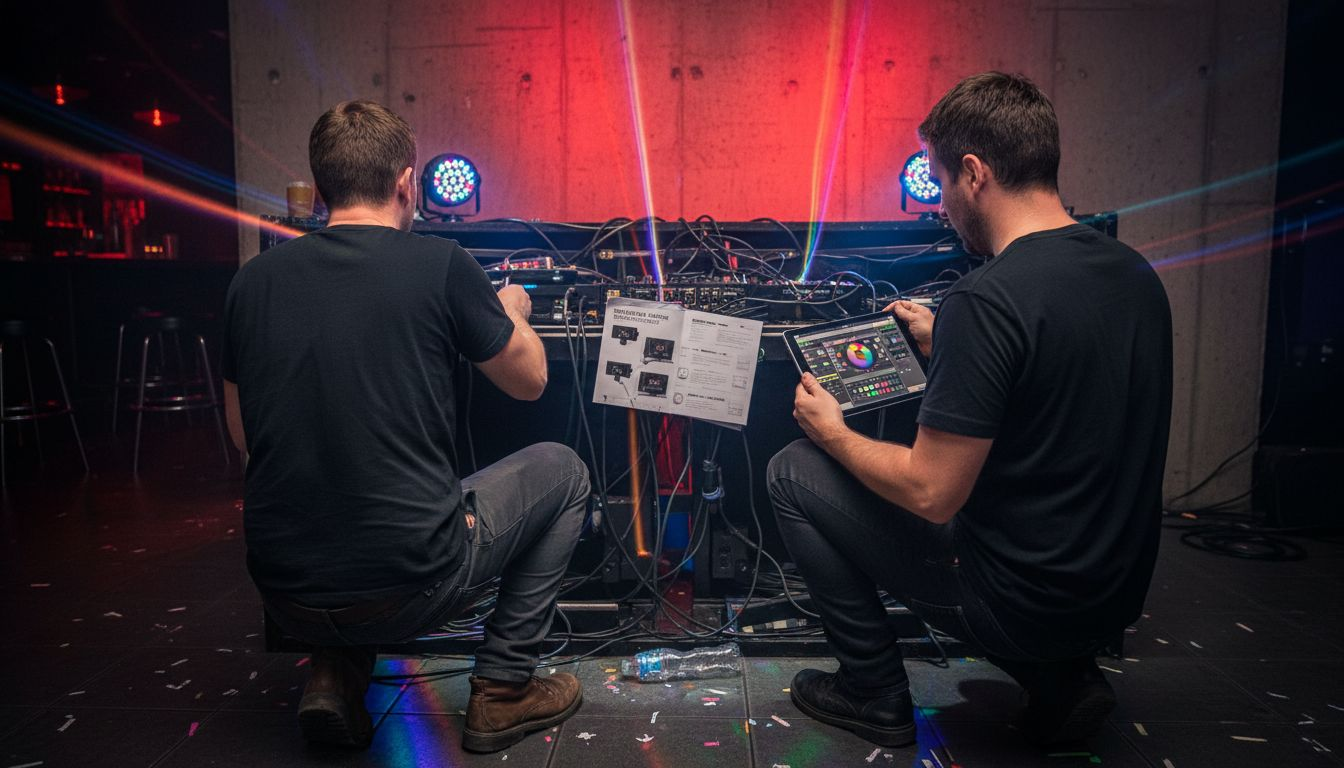
Here’s a concise comparison of popular nightclub accent lighting types and their best-use scenarios:
| Lighting Type | Primary Function | Optimal Venue Application | Notable Benefit |
|---|---|---|---|
| Spotlights | Focused beam | Stage and performer highlighting | Creates visual focal points |
| Uplighting | Upward wall illumination | Enhancing architectural features | Alters perceived space depth |
| LED PAR Lights | Colour customisation | Dynamic atmosphere changes | Enables mood transformation |
| Track Lighting | Flexible positioning | Adaptable settings and exhibits | Easy scene adjustment |
| Moving Head Fixtures | Programmable movement | Dance floors and event energy | Delivers dramatic transitions |
Strategic accent lighting doesn’t just illuminate – it tells a visual story.
Professional venues typically combine multiple lighting techniques to create layered, dynamic environments:
- Use spotlights for performer highlighting
- Implement uplighting for architectural drama
- Integrate moving head fixtures for energy
- Incorporate colour-shifting LED technologies
Pro tip: Layer different accent lighting types to create multi-dimensional visual experiences that evolve throughout the evening.
How accent lighting shapes nightclub ambiance
Accent lighting is a powerful psychological tool that transforms nightclub spaces from mere physical environments into dynamic, emotionally charged experiences. Lighting fundamentally influences patron perception by strategically manipulating visual and emotional landscapes through sophisticated illumination techniques.
The psychological impact of accent lighting manifests through several critical dimensions:
- Emotional tone setting
- Spatial definition
- Energy level modulation
- Social interaction facilitation
- Aesthetic environment creation
Color psychology plays a pivotal role in this transformative process. Warm tones like deep reds and oranges generate intensity and passion, while cooler blues and greens create more relaxed, contemplative atmospheres. Strategic color selection enables venue designers to choreograph emotional journeys throughout the evening, subtly guiding patron experiences.
Accent lighting isn’t just illumination—it’s emotional architecture.
Professional nightclub designers employ sophisticated lighting strategies to shape ambiance:
- Use color transitions to signal energy shifts
- Create visual hierarchy through lighting intensity
- Highlight architectural features strategically
- Synchronise lighting with musical rhythms
Pro tip: Experiment with lighting layers that can transform from intimate to high-energy within minutes, keeping your venue dynamically engaging.
Implementing accent lighting for visual impact
Designing impactful accent lighting requires a sophisticated understanding of technical and aesthetic considerations. Nightclub lighting systems demand precise orchestration that transforms spaces from mundane environments into dynamic sensory experiences.
Key components for successful accent lighting implementation include:
- Moving head fixtures
- LED PAR lights
- Strategic positioning technology
- Programmable control systems
- Dynamic colour management
Lighting design involves more than simply illuminating a space—it’s about creating visual narratives that evolve throughout an evening. Professional venues leverage advanced technologies like DMX control systems, enabling seamless transitions between intimate lounge atmospheres and high-energy dance environments.
Strategic lighting transforms physical spaces into emotional landscapes.
Successful implementation requires careful planning through multiple stages:
- Conduct venue spatial analysis
- Design lighting zone configurations
- Select appropriate lighting fixtures
- Programme complex lighting sequences
- Test and refine lighting transitions
Pro tip: Invest in a lighting control system that allows real-time adjustments, enabling your venue to dynamically respond to crowd energy and musical rhythms.
Risks, costs and common mistakes to avoid
Navigating the complex landscape of nightclub lighting requires strategic financial planning and technical expertise. Nightclub lighting budgets demand meticulous system-level planning to avoid costly mistakes that can derail venue performance.
Common financial and technical risks include:
- Overinvestment in inappropriate fixtures
- Inadequate system flexibility
- Poor lighting control architecture
- Insufficient budget allocation
- Lack of scalable design
Budget allocation plays a critical role in successful lighting implementation. Venues must strategically distribute resources across different lighting categories, ensuring a balanced approach that maximises visual impact while maintaining operational efficiency.
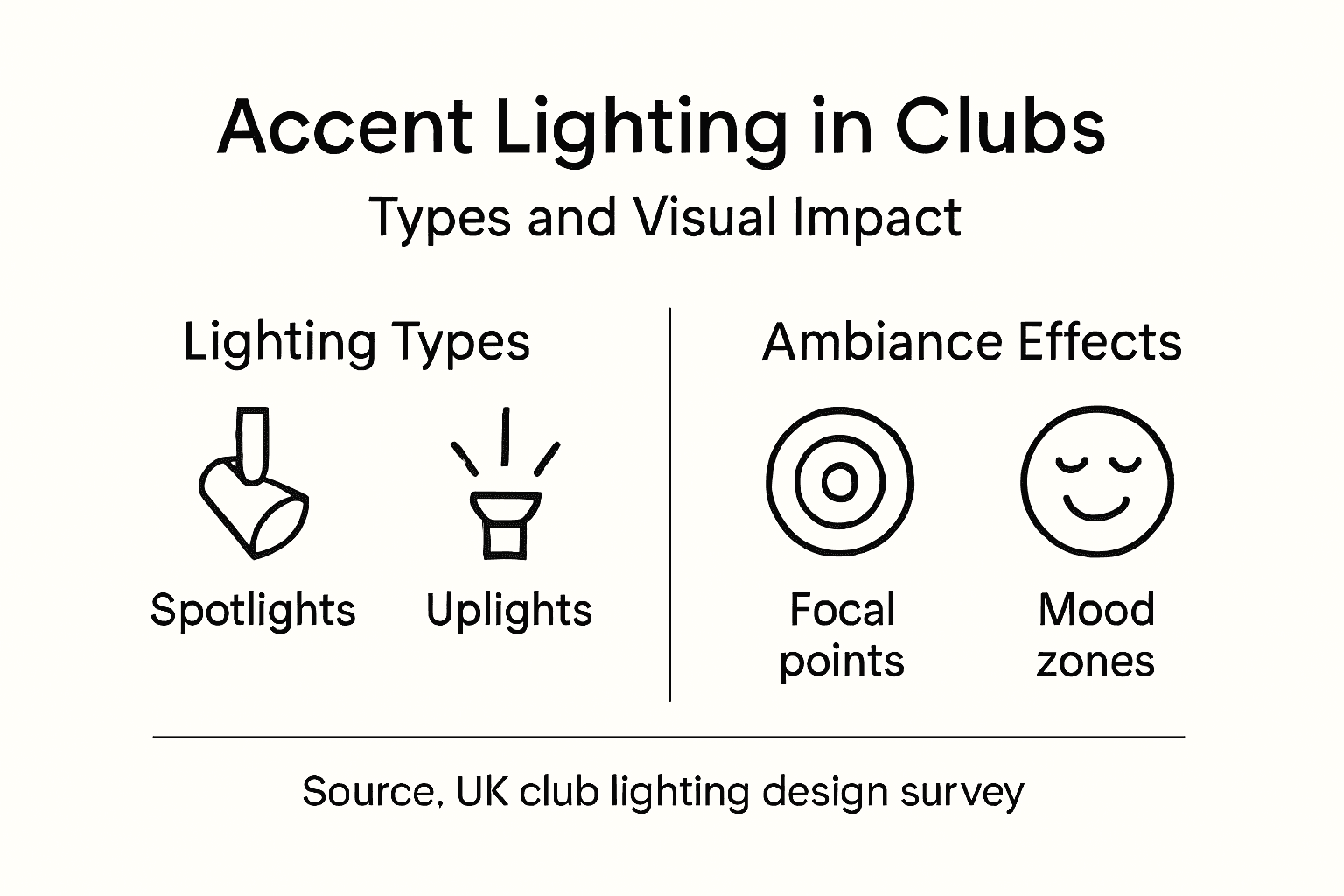
Below is a summary of key risks and cost considerations for nightclub lighting projects:
| Risk/Cost Factor | Business Impact | Recommended Mitigation |
|---|---|---|
| Over-investment | Budget depletion | Pre-purchase venue analysis |
| Inflexible system | Limits future upgrades | Prioritise scalable designs |
| Poor control setup | Reduced ambience control | Integrate advanced controllers |
| Under-budgeting | Hinders visual quality | Allocate for system variety |
| High maintenance | Unplanned expenses | Estimate long-term costs |
Financial prudence in lighting design is not about minimising costs, but optimising investment.
Potential pitfalls nightclub owners should avoid:
- Purchasing fixtures without comprehensive venue analysis
- Neglecting long-term system scalability
- Underestimating maintenance and replacement costs
- Failing to integrate control systems effectively
- Overlooking energy efficiency considerations
Pro tip: Conduct a comprehensive lighting audit before making significant investments, focusing on system flexibility and future upgrade potential.
Elevate Your Nightclub Experience with Mirror Balls and Perfect Accent Lighting
Accent lighting plays a crucial role in shaping nightclub ambiance by creating emotional architecture and visual focal points. Combined with the right mirror balls, it transforms any venue into a captivating sensory environment. Whether you aim to sculpt dynamic energy shifts or highlight architectural features, integrating high-quality mirror balls adds a dazzling layer of immersive visual storytelling.
Discover how our wide range of professional-grade mirror balls and accessories at Mirror Balls can complement your sophisticated lighting plans. Perfect for pairing with spotlights, LED PAR lights, or moving head fixtures, our products help you craft multi-dimensional visual experiences that captivate every guest. Act now to enhance your nightclub’s atmosphere with stunning illumination combined with expert lighting techniques. Explore our collection and start transforming your venue today.
Frequently Asked Questions
What is accent lighting and how does it differ from general lighting?
Accent lighting is a type of illumination designed to highlight specific features or areas within a space, such as architectural elements or artworks. Unlike general lighting, which provides overall illumination, accent lighting creates visual emphasis and depth, enhancing the atmosphere of environments like nightclubs.
How can accent lighting enhance the ambiance of a nightclub?
Accent lighting plays a crucial role in shaping the emotional and visual atmosphere of a nightclub. It sets the emotional tone, defines spaces, modulates energy levels, and facilitates social interactions, making the venue more engaging and immersive for patrons.
What are the most common types of accent lighting used in nightclubs?
Common types of accent lighting for nightclubs include spotlights, uplighting, LED PAR lights, track lighting, and moving head fixtures. Each type serves distinct purposes, such as highlighting performers, enhancing architectural features, or creating dynamic colour effects.
What factors should be considered when implementing accent lighting in a venue?
When implementing accent lighting, consider factors like the type of lighting fixtures to use, their positioning, control systems for dynamic effects, and the overall lighting design that forms cohesive visual narratives throughout the evening. Additionally, budget allocation and long-term maintenance should also be accounted for.
Recommended
- Role of Lighting on Dance Floors – Impact for UK Nightclubs – Mirror Balls
- Trends in Nightclub Lighting 2025 – Transforming UK Venues – Mirror Balls
- Why Lighting Matters for Clubs and Events – Mirror Balls
- 7 Essential Club Lighting Tips for UK Event Planners – Mirror Balls
- Complete Guide to Entertaining Guests at Home – Projector Display