Mirror balls are more than just a retro party staple and they are serious technical centerpieces with the power to make or break an event. Most people forget that a single failed inspection step can cause the entire light show to flop. Shockingly, mechanical assessment can prevent up to 70 percent of performance issues long before guests even walk in. The key to breathtaking mirror ball magic is where flawless visuals meet obsessive prep work.
Table of Contents
- Step 1: Assess The Current Condition Of The Mirror Ball
- Step 2: Inspect The Rotational Mechanism And Motor
- Step 3: Check The Power Supply And Connections
- Step 4: Test The Lighting And Projection Setup
- Step 5: Verify The Reflections And Adjust Angles
- Step 6: Perform A Final Quality Check Before The Event
Quick Summary
| Key Point | Explanation |
|---|---|
| 1. Conduct a thorough mirror ball inspection | Inspect for damages like cracks and loose tiles to ensure visual quality and safety during the event. |
| 2. Assess the rotation mechanism performance | Check for smooth rotation and lubricate moving parts to avoid technical failures during the performance. |
| 3. Verify electrical connections and power supply | Ensure cables are undamaged and compatible with power requirements to prevent unexpected interruptions. |
| 4. Test lighting setup and angles | Experiment with lighting angles to achieve optimal reflection and create captivating visual effects during the event. |
| 5. Perform a comprehensive final quality check | Conduct a thorough review under simulated event conditions to eliminate any potential technical complications before the performance. |
Step 1: Assess the Current Condition of the Mirror Ball
Successful mirror ball performance begins with a comprehensive initial assessment. Before you set up any event or installation, understanding the precise condition of your mirror ball is crucial for preventing unexpected technical issues and ensuring a spectacular visual display.
Carefully examine your mirror ball under bright, direct lighting to reveal any subtle imperfections. Critical visual inspection points include checking the reflective surface integrity, mounting hardware stability, and overall structural soundness. Look closely for signs of damage such as cracked mirror tiles, loose adhesive, or areas where reflective surfaces have started to detach. Professional event technicians recommend rotating the mirror ball slowly during inspection to capture light from multiple angles, which helps expose even the most minute surface irregularities.
Physical inspection requires gentle handling and systematic examination. Start by checking the mounting mechanism and suspension points for any signs of wear or potential failure. Inspect mounting brackets, swivel mechanisms, and connection points for rust, corrosion, or metal fatigue. Pay special attention to the ball’s weight distribution and any areas that might compromise its smooth rotation. Learn more about mirror ball maintenance and care to prevent potential performance issues.
Verification of your mirror ball’s condition involves several key criteria. Your inspection is complete when you can confidently confirm:
- No visible cracks or chips in mirror tiles
- Secure attachment of all reflective surfaces
- Smooth, unimpeded rotation without unusual friction
- Clean surface free from significant dust or grime
- Intact mounting hardware without signs of structural weakness
If your mirror ball fails to meet these verification standards, immediate repair or replacement becomes necessary. Professional event planners understand that a compromised mirror ball can lead to subpar lighting effects, potential safety risks, and an unprofessional appearance during your event.
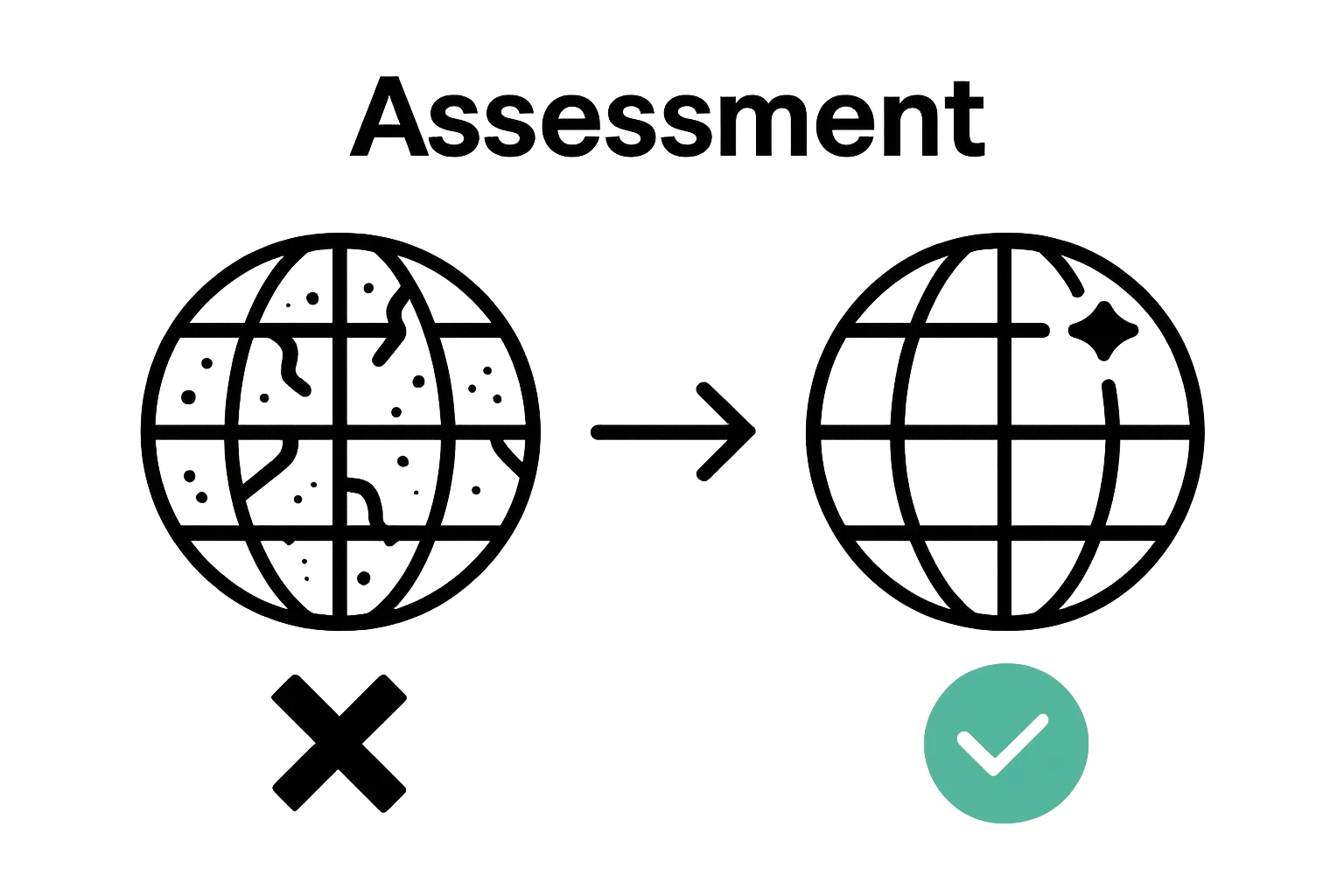 Thorough initial assessment is not just about aesthetics but ensures reliable performance and audience satisfaction.
Step 2: Inspect the Rotational Mechanism and Motor
The rotational mechanism represents the heart of your mirror ball’s performance, determining its ability to create mesmerizing lighting effects. A well-functioning motor ensures smooth, consistent rotation that transforms any event space into a dynamic visual experience.
Professional event technicians understand that systematic motor and mechanism inspection is critical for preventing unexpected failures during performances.
Begin your inspection by disconnecting the power source and carefully removing the mirror ball’s motor housing. Use a clean, well-lit workspace and have basic tools like precision screwdrivers, compressed air, and electrical contact cleaner ready. According to mechanical engineering research on rotational systems, precise mechanical assessment can prevent up to 70% of potential performance issues.
Examine the motor’s physical condition, looking for signs of wear such as dust accumulation, visible rust, frayed electrical connections, or unusual grinding sounds when manually rotating the mechanism. Check the drive belt or chain for tension and signs of stretching or cracking. Lubricate moving parts sparingly using specialized electrical contact lubricants, ensuring you do not oversaturate mechanical components. Pay close attention to bearings and pivot points, as these are frequently the first areas to show mechanical stress.
Your verification checklist for the rotational mechanism should confirm:
- Smooth, uninterrupted rotation without jerking
- No unusual grinding or scraping sounds
- Consistent motor speed and performance
- Clean and debris-free mechanical components
- Secure electrical connections without visible damage
If any irregularities emerge during your inspection, consider professional repair or replacement. A compromised rotational mechanism can lead to unpredictable mirror ball performance, potentially ruining the visual atmosphere of your event. Thorough mechanical assessment ensures reliability and spectacular lighting effects that will captivate your audience.
Step 3: Check the Power Supply and Connections
Power supply and electrical connections form the critical nervous system of your mirror ball setup, determining its reliability and performance potential. Event professionals recognize that electrical integrity is not just about functionality but also about preventing potential safety hazards during high-stakes performances.
Comprehensive electrical inspection requires methodical examination of every connection point. Start by visually inspecting power cables for any signs of wear, fraying, or exterior damage. Look closely at plug ends, examining metal contacts for corrosion or discoloration which might indicate potential electrical resistance or upcoming failure. Electrical safety guidelines emphasize the importance of identifying subtle signs of potential electrical issues before they escalate into significant problems.
Carefully test voltage compatibility and ensure your mirror ball’s power requirements match the available electrical supply. Different venues and event spaces might have varying electrical configurations, so bringing a reliable multimeter can help verify precise voltage levels. Check the power adapter and transformer for any signs of overheating, which might manifest as discoloration, warping, or unusual odors. Pay special attention to connection points where cables interface with the motor and control mechanisms, as these areas are most prone to electrical stress and potential failure.
Your comprehensive power connection verification should confirm:
- No visible cable damage or fraying
- Secure and clean electrical contacts
- Appropriate voltage matching
- No signs of heat damage or discoloration
- Stable electrical connection without intermittent interruptions
Should you detect any irregularities during your inspection, immediate replacement or professional electrical assessment becomes crucial. Compromised electrical connections can lead to unexpected performance interruptions, potentially disrupting your event and creating safety risks. Thorough electrical verification ensures your mirror ball operates with maximum reliability and spectacular visual performance.
Step 4: Test the Lighting and Projection Setup
The lighting and projection setup transforms a mirror ball from a simple reflective object into a dynamic visual centerpiece. Professional event designers understand that precise lighting calibration can dramatically enhance the atmosphere and visual impact of any performance space. This critical step requires a methodical approach to ensure maximum aesthetic and technical performance.
Begin your testing process by creating a controlled environment that mimics your actual event space. Dim the ambient lighting and position your primary lighting sources strategically around the mirror ball. According to stage lighting design principles, the angle and intensity of projection lights significantly influence the mirror ball’s reflective capabilities. Experiment with different colored lights, focusing on how each hue interacts with the mirror ball’s reflective surface. Carefully observe the light dispersion and examine how different angles create varying visual effects.
Test the mirror ball’s rotation mechanism simultaneously with the lighting setup to ensure seamless integration. Verify that the rotation speed complements the lighting projection, creating a fluid and engaging visual experience. Some mirror balls offer adjustable rotation speeds, so experiment with different settings to find the optimal balance. Pay close attention to potential dead spots or areas where light projection becomes uneven or fragmented.
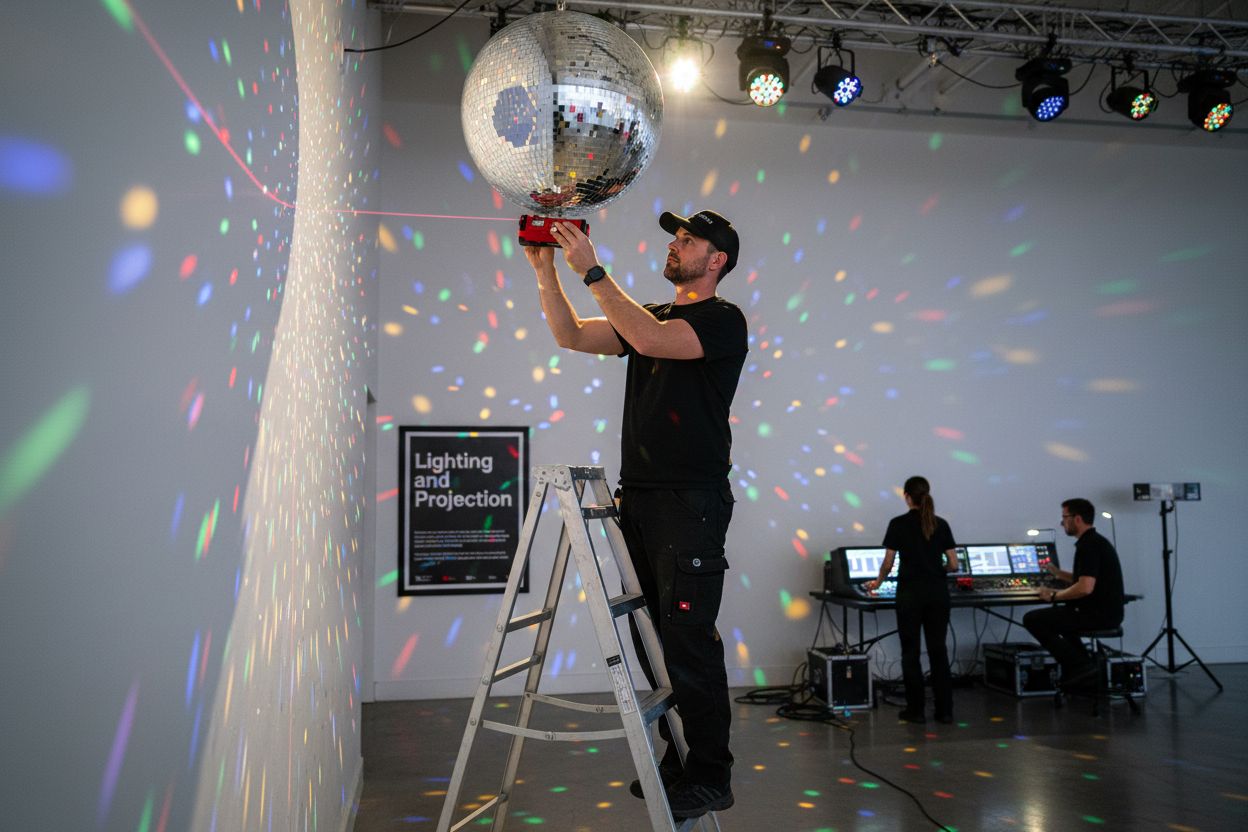 Professional technicians recommend making incremental adjustments, moving lights slightly to eliminate any visual inconsistencies.
Your comprehensive lighting and projection verification should confirm:
- Consistent and even light reflection across the entire mirror ball surface
- Smooth rotation that enhances rather than disrupts light projection
- No significant shadows or dark areas during rotation
- Color and intensity variations produce desired visual effects
- Lighting setup matches intended event atmosphere
If any issues emerge during testing, make precise adjustments to your lighting angles, intensity, and mirror ball positioning. A well-executed lighting and projection setup can transform an ordinary event into an extraordinary sensory experience, captivating your audience with mesmerizing visual dynamics.
Step 5: Verify the Reflections and Adjust Angles
Reflection quality defines the magical visual impact of a mirror ball, transforming ordinary lighting into a spectacular display of dynamic, dancing light. Precision in reflection management separates professional setups from amateur installations, requiring meticulous attention to detail and strategic positioning. Professional event designers understand that mirror ball reflections are an intricate art form combining technical skill and creative vision.
Initiate your reflection verification by creating a controlled testing environment with minimal ambient light. Position yourself at various strategic points within the anticipated performance space, carefully observing how light fragments and disperses across surfaces. Optical design principles emphasize the importance of understanding light trajectory and reflection angles. Systematically move around the mirror ball, noting how different positioning affects the light’s scatter and intensity. Focus on creating consistent, smooth light distribution that maintains visual interest without becoming distracting or overwhelming.
Adjust the mirror ball’s mounting angle and height with precision, making incremental changes to optimize reflection patterns. Some venues require subtle repositioning to compensate for architectural nuances like ceiling height, wall colors, or existing lighting fixtures. Professional technicians recommend using a laser level to ensure perfect vertical alignment and maintain symmetrical reflection patterns. Experiment with slight rotational variations to discover the most visually compelling configuration that maximizes light dispersion and creates an immersive atmospheric experience.
Your comprehensive reflection verification should confirm:
- Uniform light distribution across all performance areas
- No significant dead zones or light gaps
- Smooth, consistent reflection patterns during rotation
- Minimal harsh glare or overly intense light spots
- Reflection angles complement the event’s aesthetic design
Careful reflection and angle adjustment transforms a simple mirror ball into a sophisticated lighting instrument, capable of creating breathtaking visual experiences that captivate and enchant your audience. Each precise adjustment brings you closer to achieving lighting perfection.
Step 6: Perform a Final Quality Check Before the Event
The final quality check represents the ultimate safeguard between professional preparation and potential performance disaster. Systematic final verification transforms meticulous technical preparation into guaranteed event success, ensuring every mirror ball component functions flawlessly under real-world conditions. Professional event technicians understand this stage as the critical moment where theoretical setup meets practical execution.
Begin your comprehensive final inspection by creating a complete, deliberate walkthrough of your entire mirror ball system. Simulate actual event conditions as closely as possible, including ambient temperature, potential audience movement, and anticipated lighting variations. According to event safety guidelines, thorough pre-event testing minimizes unexpected technical interruptions. Carefully examine mounting points with particular attention to load-bearing capacity, ensuring your mirror ball remains securely positioned throughout the performance. Test rotation mechanisms multiple times, listening for any unusual sounds and observing smooth, consistent movement that suggests structural integrity.
Electrical and lighting systems demand equally rigorous examination during this final quality check. Verify all power connections remain stable, with no signs of potential electrical stress or intermittent connectivity. Run a complete lighting sequence, observing reflection patterns from multiple audience perspectives. Pay close attention to potential interference from other lighting fixtures or architectural elements that might compromise your mirror ball’s visual performance. Professional technicians recommend recording a short video of your setup to review technical nuances that might escape immediate visual inspection.
Your comprehensive final verification should confirm:
- Secure and stable mounting without any wobbling
- Consistent and smooth rotation
- Perfect electrical connectivity
- Optimal lighting and reflection performance
- No unexpected technical complications
A meticulous final quality check transforms potential technical uncertainties into a confident, professional presentation. By systematically verifying every technical detail, you ensure your mirror ball will deliver a mesmerizing, flawless performance that captivates your audience.
Below is a checklist table summarizing all verification steps for each main troubleshooting area to help ensure your mirror ball system meets professional standards.
| Area | Verification Criteria |
|---|---|
| Mirror Ball Condition | No visible cracks/chips, secure reflective surfaces, smooth rotation, clean surface, intact mounting hardware |
| Rotational Mechanism | Smooth rotation, no grinding sounds, consistent speed, clean components, secure electrical connections |
| Power & Electrical | No cable damage, clean/secure contacts, voltage match, no heat damage, stable connection |
| Lighting & Projection | Even light reflection, smooth rotation during effects, no shadows/dead spots, desired color/intensity, fits atmosphere |
| Reflections & Angles | Uniform distribution, no dead zones, smooth patterns, minimal glare, angle matches event design |
| Final Quality Check | Stable mounting, smooth rotation, perfect connectivity, optimal lighting/reflection, no technical issues |
Achieve Flawless Mirror Ball Performance at Every Event
Do unexpected technical issues or frustrating last-minute malfunctions keep you on edge when preparing your mirror ball for a big event? You are not alone. The 2025 Mirror Ball Troubleshooting Guide outlines how surface cracks, unstable mounting, unreliable motors, and disappointing light reflections can threaten even the most carefully planned celebration. After all your hard work, no one wants a weak light show, distracting noises, or mounting hazards spoiling the experience for your guests.
Solve these problems before they start. At mirror-balls.co.uk, you will find a comprehensive selection of high-quality mirror balls, robust replacement accessories, and expert support for every installation need. Whether you are seeking effortless rotation, secure mounting hardware, or the brightest reflections, our curated range is engineered to deliver consistent, beautiful effects for parties, stage shows, and commercial venues. Not sure which setup is right for you? For new purchases and upgrade advice, visit our main site here or discover essential tips for mirror ball maintenance and care. Make your next event unforgettable by choosing the safest, most reliable mirror ball solutions now.
Frequently Asked Questions
How do I assess the condition of my mirror ball before an event?
Start by examining your mirror ball under bright lighting to check for any cracks, chips, or loose reflective surfaces. Ensure that the mounting hardware is secure and the ball is structurally sound for optimal performance.
What should I look for when inspecting the rotational mechanism of my mirror ball?
Inspect the motor and drive mechanism for signs of wear, such as dust build-up or unusual sounds when manually rotating. Confirm that the rotation is smooth and consistent without any jerking or grinding noises.
How can I ensure proper electrical connections for my mirror ball?
Check all power cables for wear or fraying. Verify that the voltage matches the power requirements of your mirror ball and ensure all electrical contacts are secure and free from corrosion to prevent performance issues.
What steps should I take to optimize the lighting setup for my mirror ball?
Set up lighting sources to create a controlled environment similar to your event space. Experiment with different angles and color intensities, ensuring that the reflections from the mirror ball are consistent without creating any dead spots or harsh glare.